Looking for the perfect bowl of steaming ramen in Warsaw? While Poland is better known for its pierogi and żurek, the city’s ramen scene has exploded in recent years, with talented chefs crafting bowls that could rival those found in Tokyo’s back alleys.
From rich, porky tonkotsu to light and fragrant shoyu broths, we’ll guide you through Warsaw’s best ramen spots!
If you’re craving more than just ramen, check out our guides to Warsaw’s best Japanese restaurants and top Chinese spots for the full Asian dining experience.
1. SHOYU Ramen & Sushi
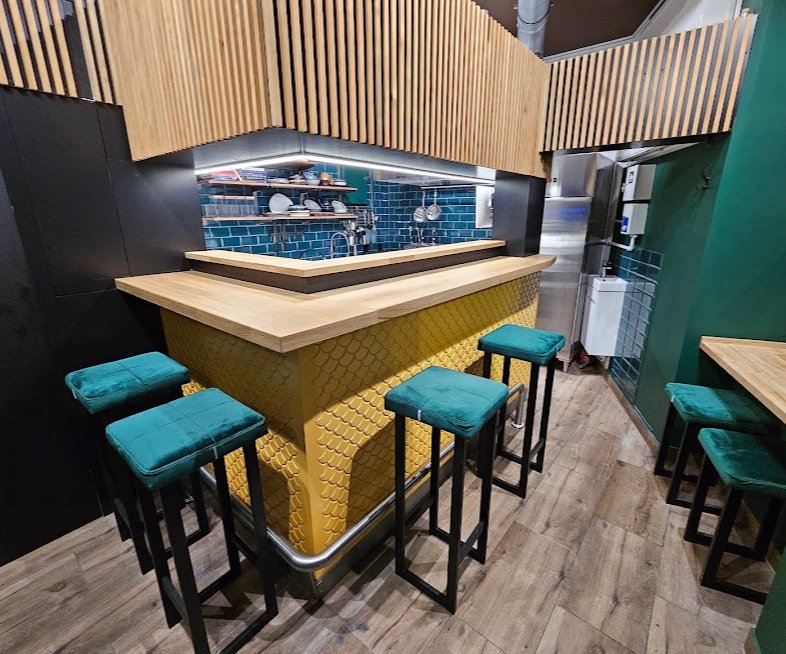

SHOYU Ramen & Sushi is one of the more distinctive ramen addresses in Warsaw because the menu does not stop at standard formulas. The signature Shoyu ramen goes for a light chicken broth finished with lobster and porcini oils, which gives it a more layered profile than the usual safe shoyu.
There is range here, and that matters. The Tantanmen uses rich pork bone broth with spiced ground pork and cheese, while the Vege Tantanmen swaps that out for dashi broth and plant-based meat. If you want the heaviest bowl on the menu, go for the Tonkotsu Shoyu with pork bone broth and garlic oils.
A practical detail that makes this place easier for mixed groups: they also offer a kids’ portion – noodles with any broth.
2. Uki Green
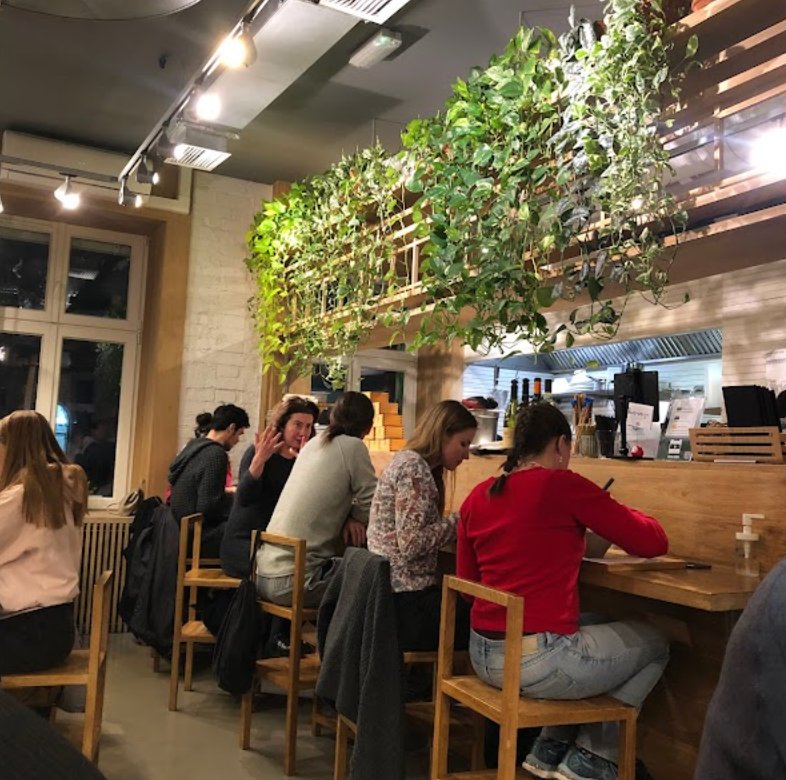
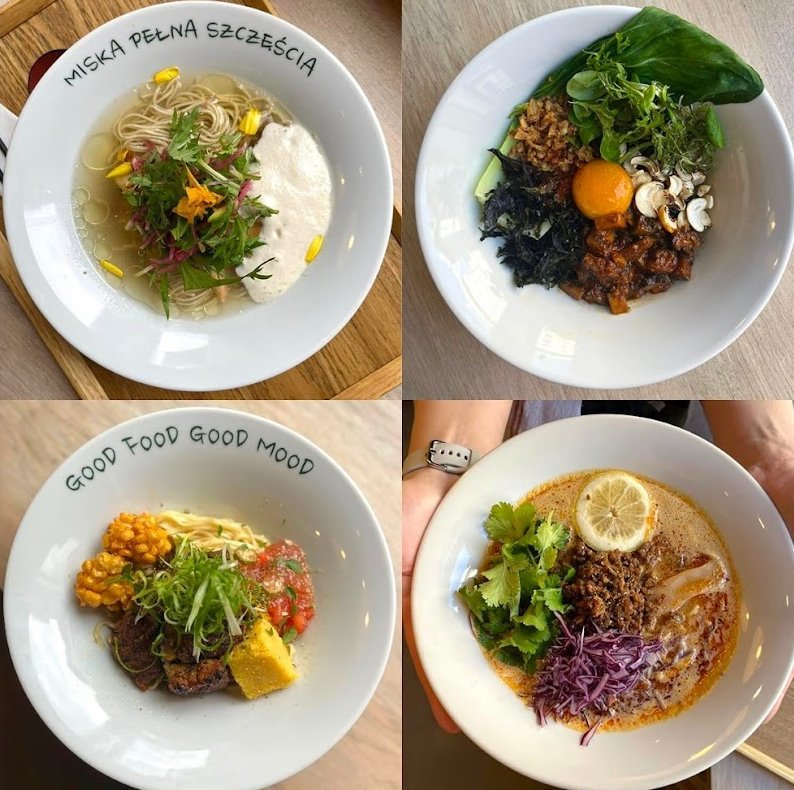
Uki Green takes a different route and gives you more room to shape the bowl around your own taste. The standout is the Vege Paitan Ramen – a creamy broth with garlic and green onion oil, plus seasonal vegetables – but what really makes the place work is the topping system.
You can build around four styles: Kuro with black sesame and garlic sauce, Aka with a tomato-based profile, Midori with lemongrass and coriander, or Daidai with spicy plant-based meat and nuts. That gives the menu more variety than a place where every bowl feels like a minor edit of the previous one.
They also do classic options well. Tokyo Next Shoyu uses special soy sauce, while Ginger Shio Ramen goes lighter and cleaner. Both come with clear broth, seasonal vegetables, and pepper oil to finish.
3. TORI Ramen
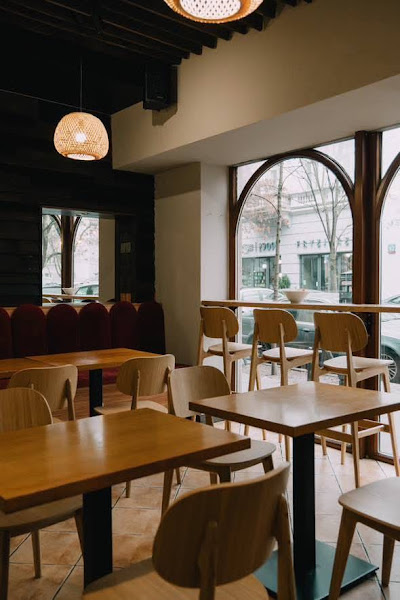
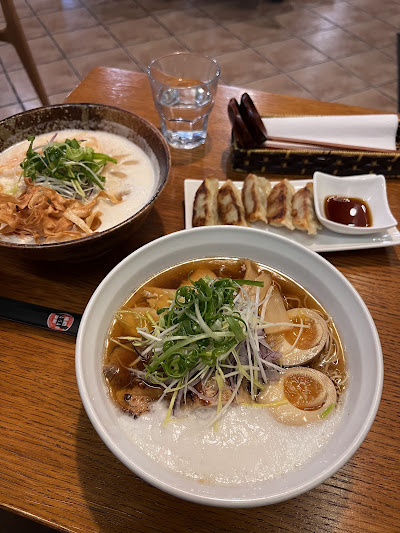
TORI Ramen is the place I would send someone who wants ramen that feels closer to Japan without automatically defaulting to a heavy pork broth. One of the useful details here is exactly that – the broth leans mostly on chicken rather than pork, so the bowls feel lighter but not weak.
The truffle ramen is the one people keep coming back to. It is rich, aromatic, and balanced without turning into a gimmick. If you want heat, they can push the spice level properly too – enough kick to matter, but still controlled.
Service comes up for a reason. It is fast, friendly, and the kind of place where you feel looked after without any fuss. The interior is cozy, the starters land well, and even the dessert matters here – the matcha cheesecake gets singled out again and again. For some people, that alone is enough to lock in a return visit.
4. Arigator Ramen Shop
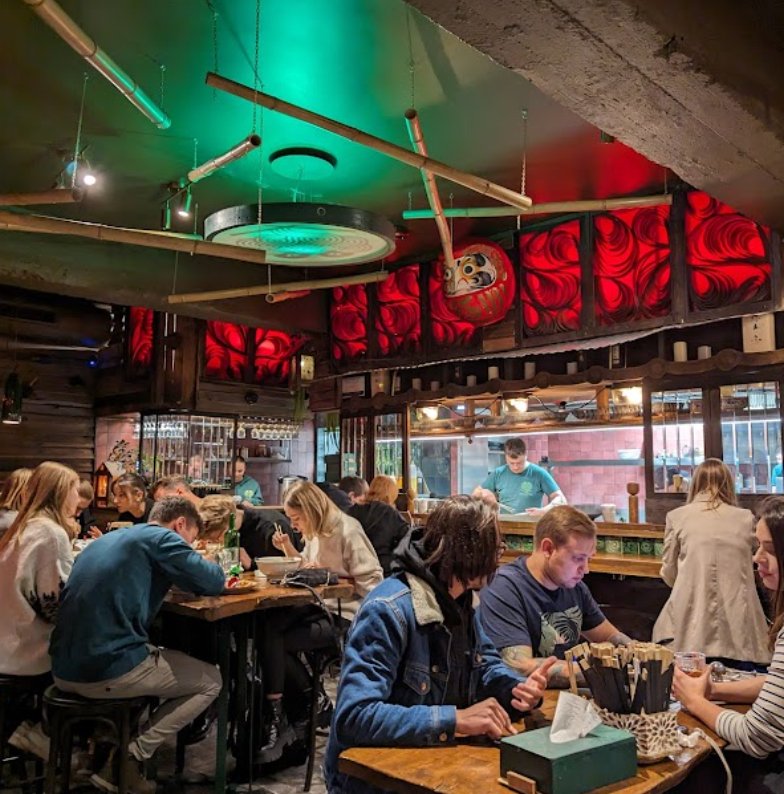
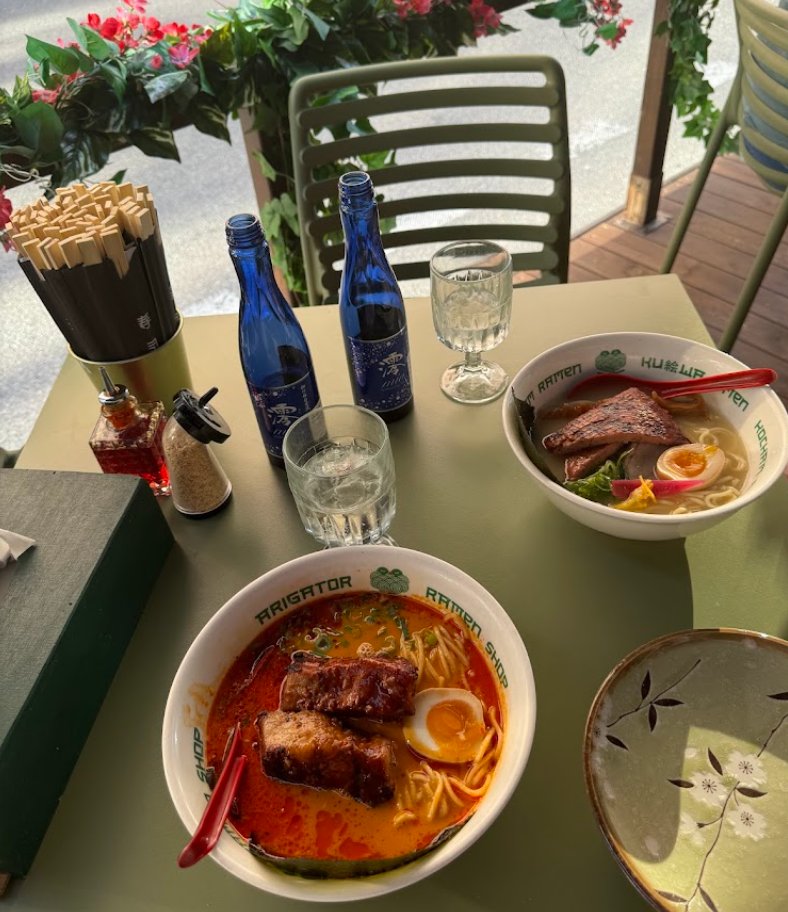
Arigator Ramen Shop leans into a Japanese-Polish mix and does not try to hide it. Even the noodle-dragon logo tells you this is not meant to be a rigidly traditional place.
The menu covers seven ramen types, so you can keep it simple with a Shoyu and marinated egg, go for a spicy Tantanmen, or move toward less standard options like vegan Tantanmen or BBQ Ramen. That range makes it easier when people at the table want very different things.
The side dishes help round it out. House kimchi and edamame are easy additions, and the Korokke is worth trying if you want something that reflects the restaurant’s fusion angle more clearly. Drinks such as Japanese beer and yuzu lemonade fit the menu well.
5. UKI UKI
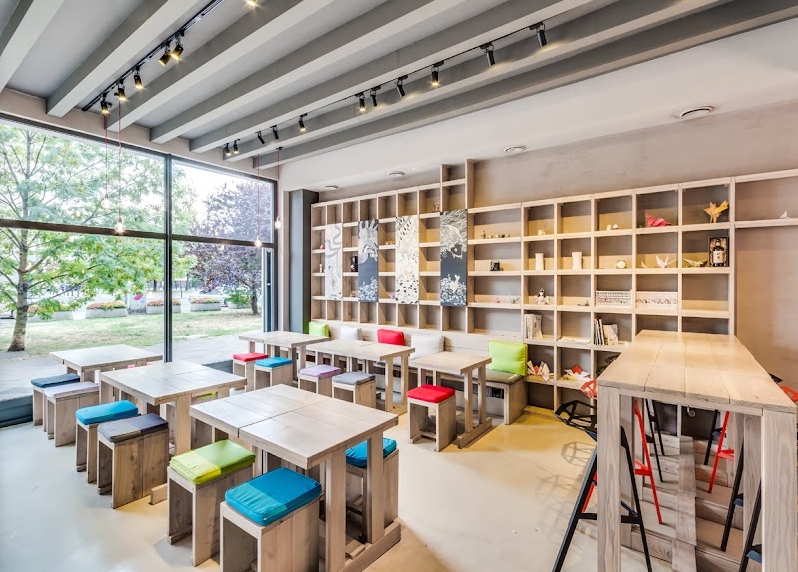
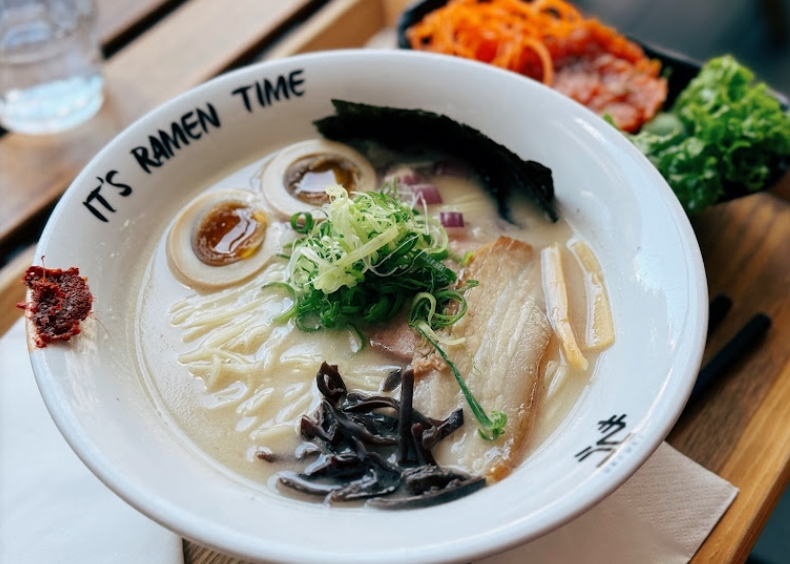
UKI UKI is better known for udon, but the ramen side of the menu is still strong enough to earn a place here. They keep it focused: three tonkotsu options, each built on a creamy pork-chicken base.
The Original is the safest entry point and also the most complete. Roasted pork, marinated egg, bamboo shoots, mizuna, chili paste, green onions, and nori – plus generous portions across the board. This is not the kind of bowl that leaves you looking for food an hour later.
The Miso version adds miso paste and salmon. The spicy Tantan goes with minced meat in soy-chili sauce, black sesame, and burnt garlic oil. All three come with marinated egg and fresh mizuna, so even the richer bowls still have some lift.
6. SHOKU
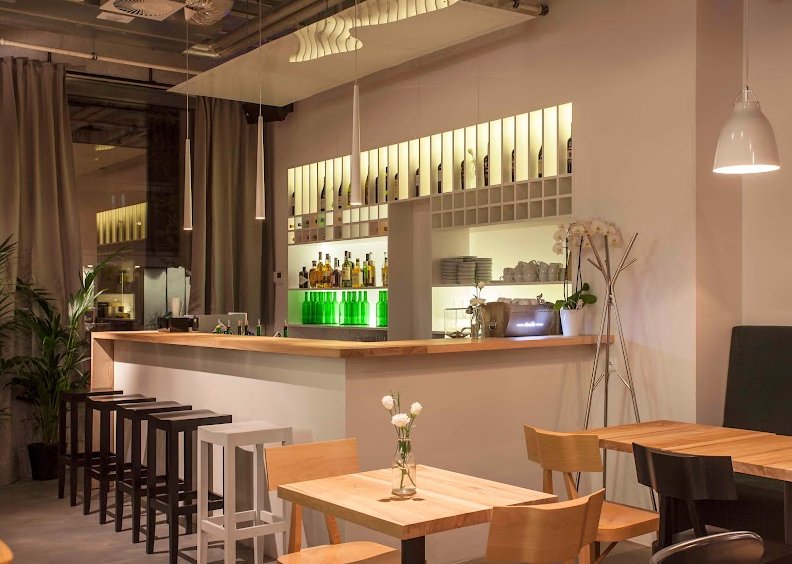
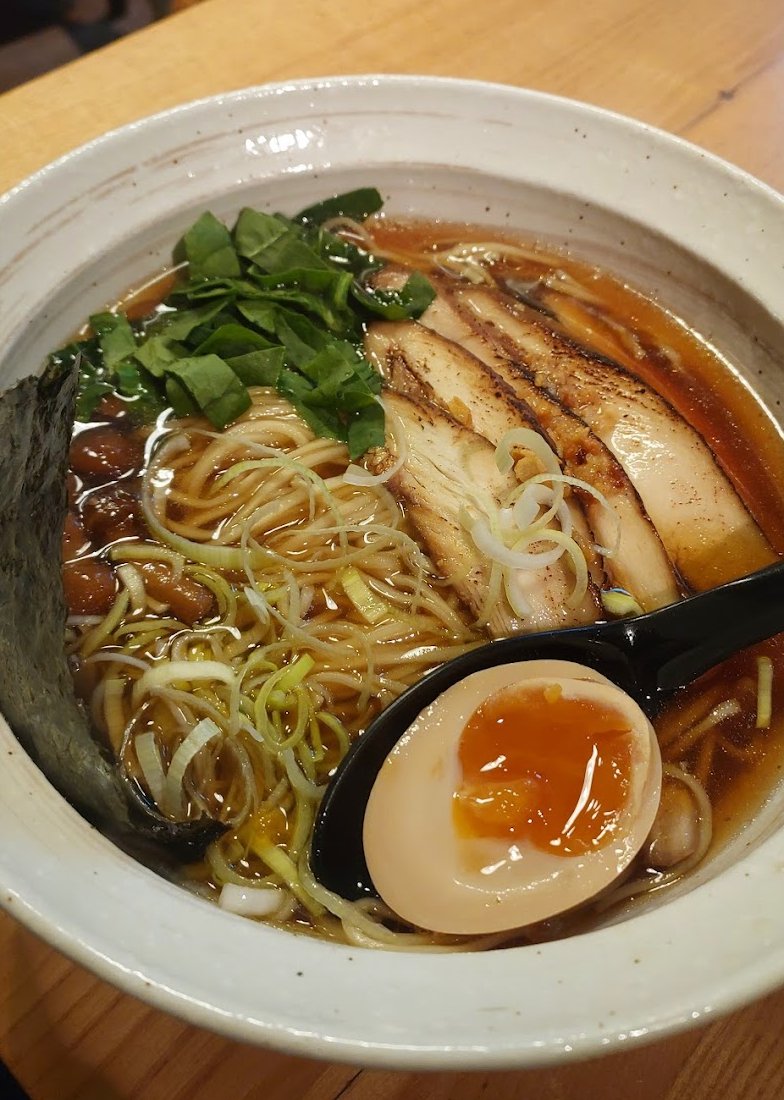
SHOKU keeps the menu short, which is usually a good sign. There are only three ramen varieties here, but each one has a clear identity instead of filling space.
The Tantan Ramen is the boldest: beef-chicken broth, sesame paste, peanut butter, ground beef, and earl grey-pickled onions. The Shoyu goes cleaner, with tender chicken and nameko mushrooms in a beef-chicken broth that does not overcomplicate things.
The vegetarian Miso Ramen is where SHOKU gets more playful. Burnt garlic oil, smoked yuba, caper popcorn, and spiced peanuts make it feel thought-through rather than just included to tick a box.
7. Noodlani
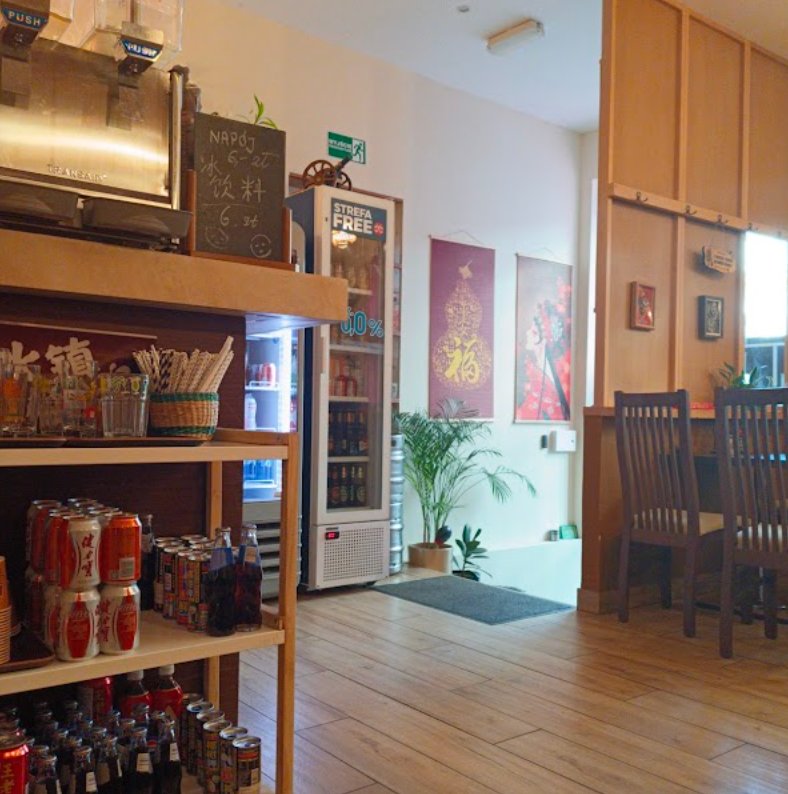
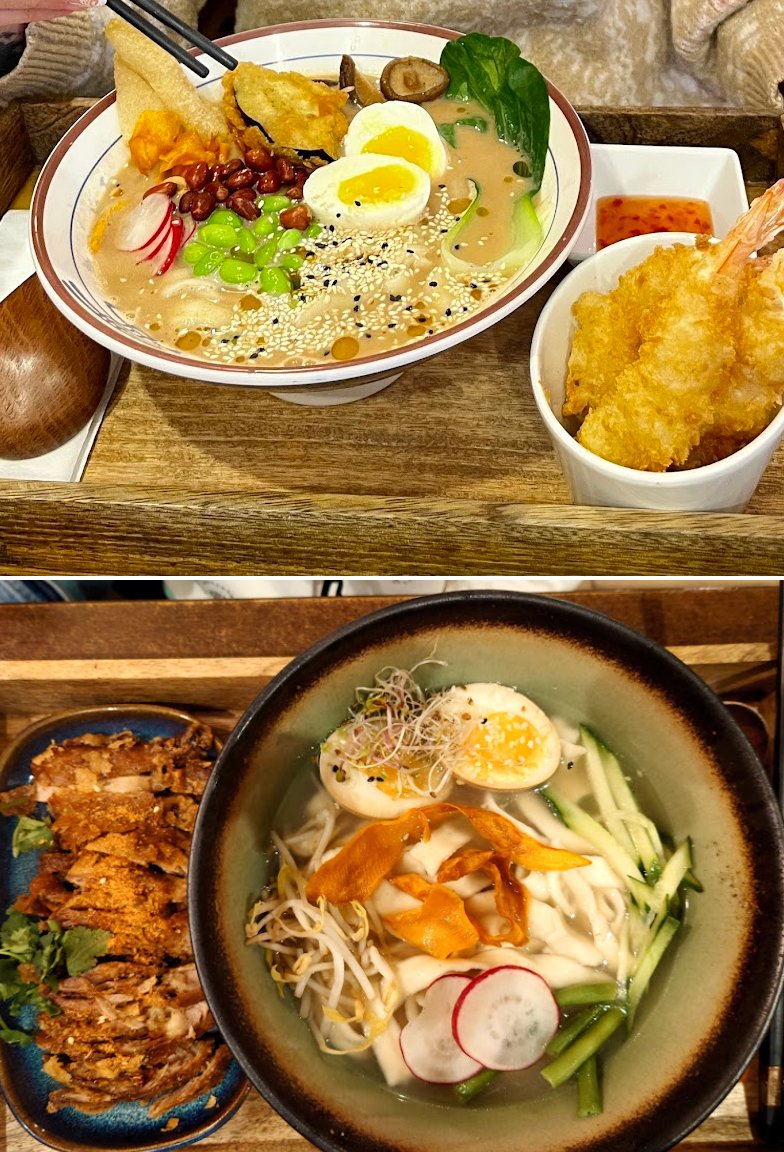
Noodlani is a bit of an outlier on this list, and that is exactly why it works. It stands out through authentic Chinese noodles, very low prices by current standards, and a format that feels closer to a Beijing noodle house than to a polished ramen restaurant.
The space is small, the ordering system is functional rather than charming, and you pay first by filling out a form. None of that is a problem once the bowl arrives. Their Beijing-style ramen is served dry with broth on the side, and the menu runs to 17 varieties, including a peanut butter version that sounds odd on paper but works much better than expected.
I would come here less for the classic ramen mood and more for something specific, fast, and good under 50 zł.
Warsaw is still not the first city people think of for ramen, but that no longer says much. These places cover a real spread – lighter broths, richer bowls, vegetarian options, fusion takes, and more niche formats – so the city now has enough range to make the category worth taking seriously.