Dreaming of a movie night but not sure where to go in Warsaw? The capital has dozens of cinemas to choose from – from cozy arthouse venues to modern multiplexes with IMAX technology.
To help you save both time and money, we put together a ranking of the best cinemas that are genuinely worth visiting for a new release.
And if you want to mix up your free time in the city, take a look at our guides to the best shopping centers, museums, and nightclubs in Warsaw.
1. Helios
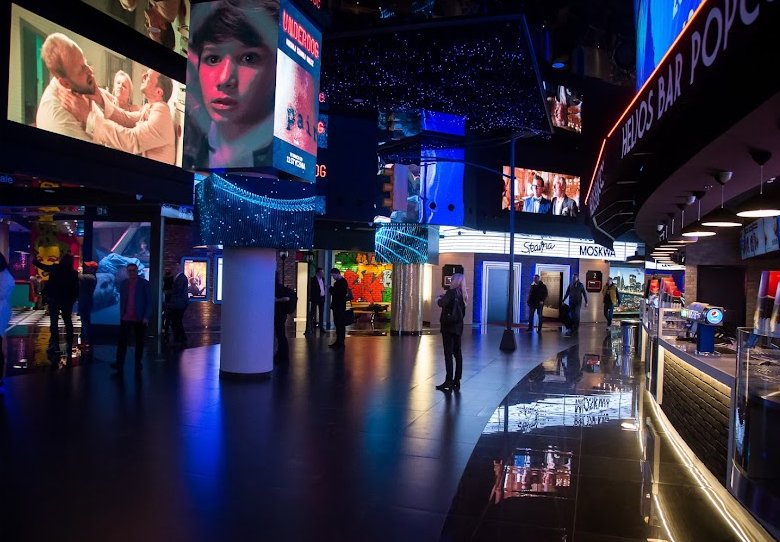
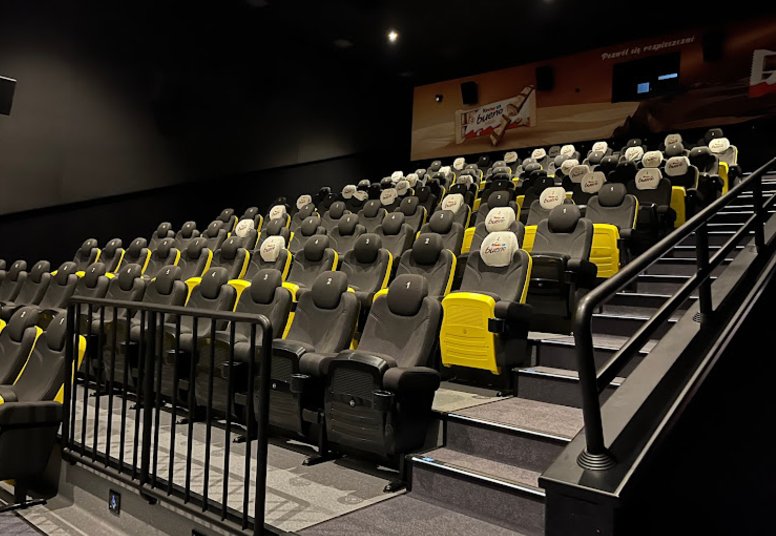
Helios is located inside the Blue City shopping center and has 8 screens with a total of 900 seats, including 3 Dream-category auditoriums. The Dream halls feature Dolby Atmos sound systems and 4K screens. The seats recline fully – the back row has sofa-style seating with drink holders, while the front rows also come with popcorn holders and small tables.
The cinema also has a Helios café and a snack bar. The staff speak English fluently.
There are also themed screenings for movie lovers:
- the “Cinema for Connoisseurs” program (award-winning films)
- women’s movie nights
- children’s morning screenings
- overnight movie marathons
- sensory-friendly screenings for people with autism (once a month on Saturdays)
You can also save quite a bit here if you:
- buy tickets in advance
- go on Tuesdays (special prices apply)
- choose Polish films included in the Kultura Dostępna program
Probably the only major downside of this cinema is the long advertising blocks before the movie, although that is probably an issue with most modern chain cinemas. Important: parking at Blue City is free only for the first 2 hours.
2. Multikino
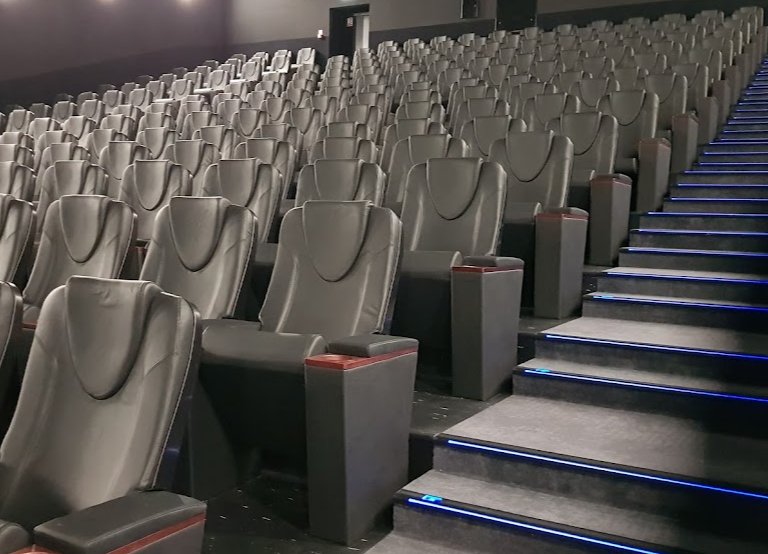
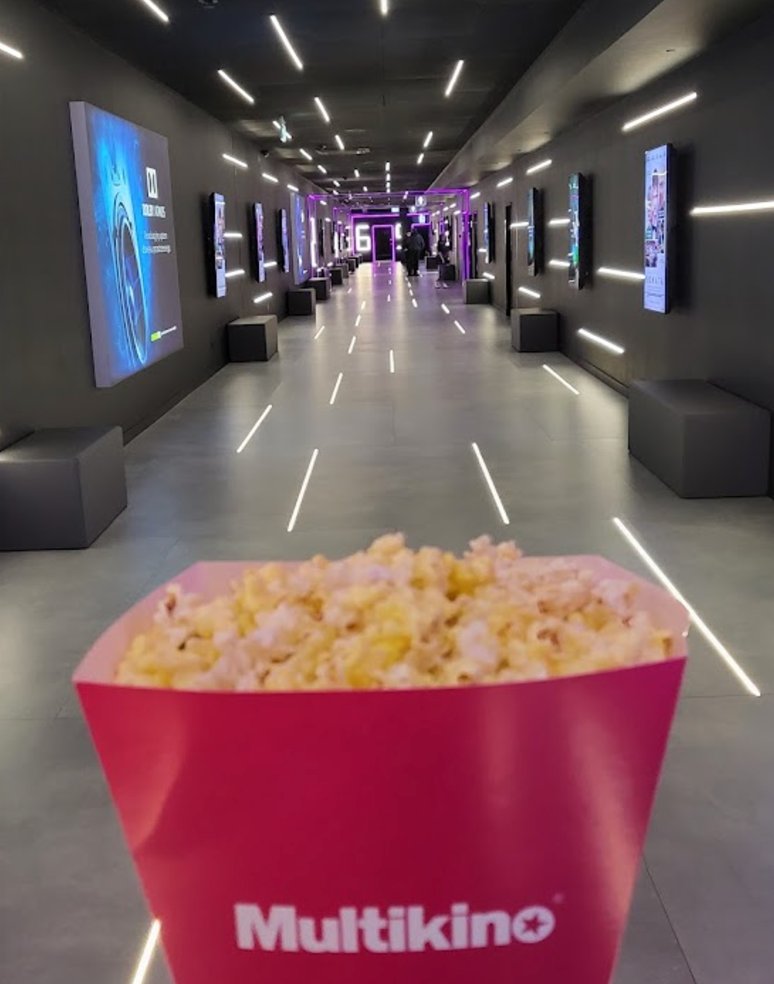
Warsaw has 7 Multikino multiplexes, each with its own features. The flagship cinema at Złote Tarasy stands out for its scale – it stretches across three floors and has one of the largest screens in the world, covering 300 square meters. Its premiere hall, with 788 seats, hosts screenings during the Warsaw Film Festival and meetings with film stars.
Multikino Młociny deserves special mention, as all seats there are electrically adjustable at no extra charge – you can watch the film in a semi-reclined position. Some auditoriums also feature 4K projectors and Dolby Atmos surround sound, creating a fully immersive experience.
The program goes well beyond regular film screenings: they also broadcast sports events, concerts, ballet, opera, and theater productions. There are overnight movie marathons, children’s morning screenings, and arthouse film showings on Thursdays.
Ticket prices are fairly affordable. VIP seats provide a comfortable viewing experience with enough legroom. Most locations also have Cavablanca cafés where you can grab something before or after the screening.
There are a few practical things to keep in mind: it is best to arrive on time, because latecomers may not be allowed into the auditorium. There is a long block of ads before the film. Lighting in the underground parking lot is not always great after evening screenings.
The chain has been developing since 1998 and now includes more than 40 cinemas in 37 cities across Poland. All locations are equipped with modern technology for both 2D and 3D screenings. Multikino’s work has been recognized with several awards, including the European ECA Awards 2014 for the development of Event Cinema, as well as Superbrands and Superbrands Created in Poland.
3. Cinema City
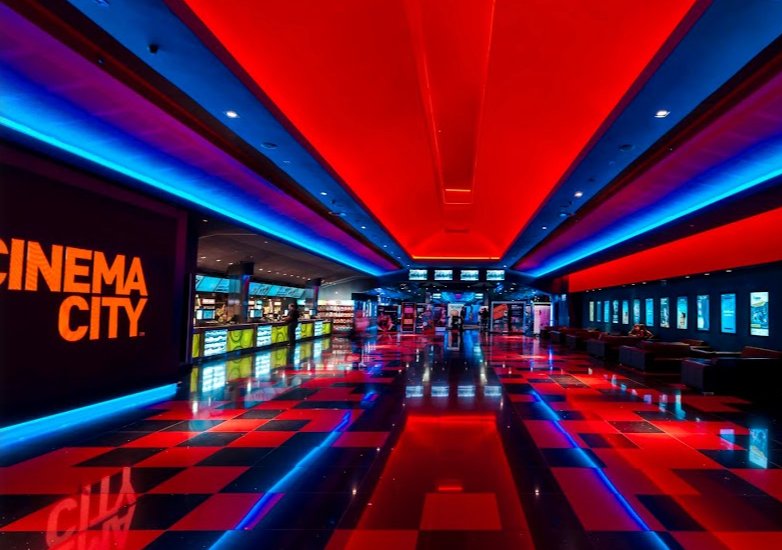
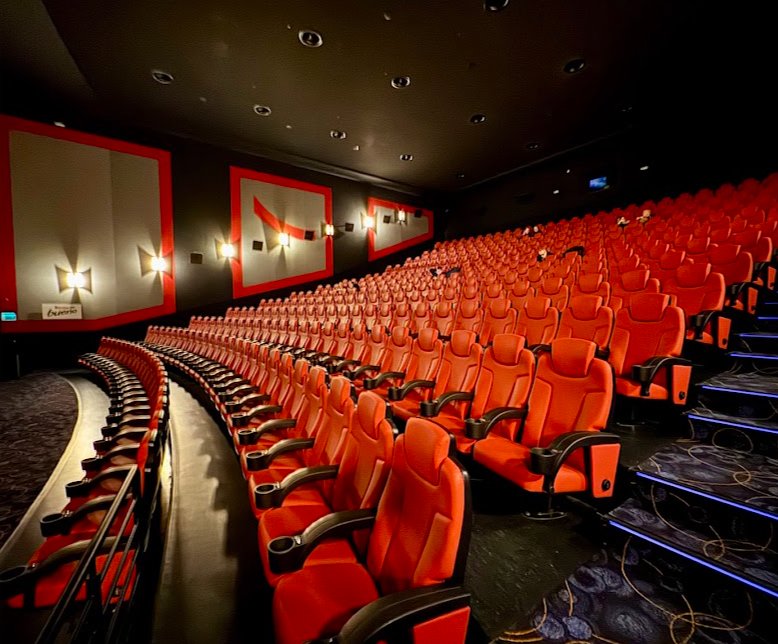
The Cinema City chain stands out for its technological features. For example, Cinema City Arkadia offers 4DX screenings with moving seats and special effects. Galeria Mokotów has ScreenX, a system with additional side screens designed to create a more immersive experience.
Cinema City is present in 6 shopping centers across Warsaw. The average venue has 13 screens and around 2,700 seats. The Białołęka and Sadyba cinemas also offer screenings adapted for viewers with sensory sensitivities.
Snack prices are above average, but visitors often point out the cleanliness of the venues and the comfort of the seats. The quality of the 3D screenings gets especially strong reviews.
Tickets are 50% off every Wednesday across the entire chain. For regular visitors, the Unlimited card is a good deal – a monthly pass for unlimited screenings plus a 10% discount at the cinema bar.
A few practical details: booking online helps avoid lines. Auditoriums are usually less crowded after 7:00 PM. The restrooms are at the end of the corridor, and the food court is one floor below.
4. Kino Muranów
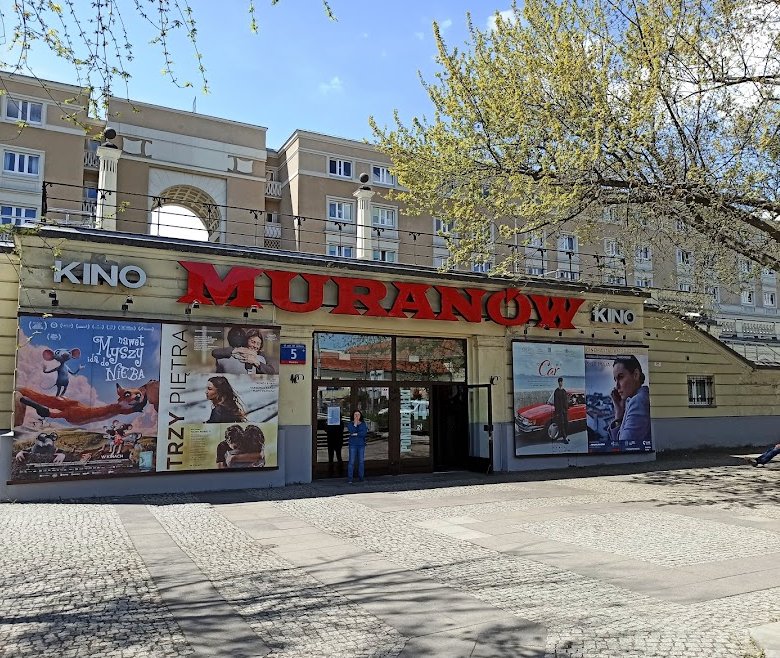
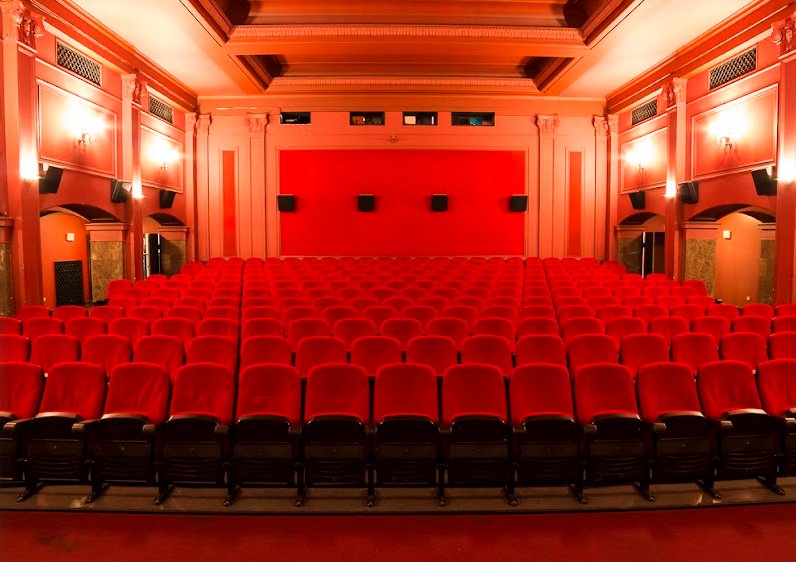
Just a short walk from the Ratusz Arsenał metro station, Kino Muranów is one of the key centers of arthouse cinema in Warsaw. Its four screening rooms are named after legendary actors: Pola, Zbyszek, Ingrid, and Gerard.
A recent renovation brought back the interior’s theatrical charm, which works perfectly with the modernist café in the lobby. You can have a coffee there over a game of chess before or after the screening.
The program is curated by the distributor Gutek Film, which has been bringing arthouse cinema to Poland since 1994. The lineup includes European arthouse films, advance screenings, and recorded theater productions. In the mornings, there are also family screenings for children.
Over the years, the cinema has welcomed Wim Wenders, Peter Greenaway, Michelangelo Antonioni, Darren Aronofsky, François Ozon, and other renowned directors. Muranów regularly hosts festivals and themed screenings, including retrospectives of Dutch cinema.
Practical note: seats are not numbered, so it is worth arriving early. Popcorn and nachos are not allowed here, which will appeal to people who value silence during a film. There are discounts for University of Warsaw students and pensioners, and special prices for everyone on Mondays.
The quality of the program has also been recognized by the professional community: the cinema has received an award from the Polish Film Institute, a Europa Cinemas prize for best programming, and was twice named the best cinema in Warsaw by Warszawiaki.
5. Kino Kultura
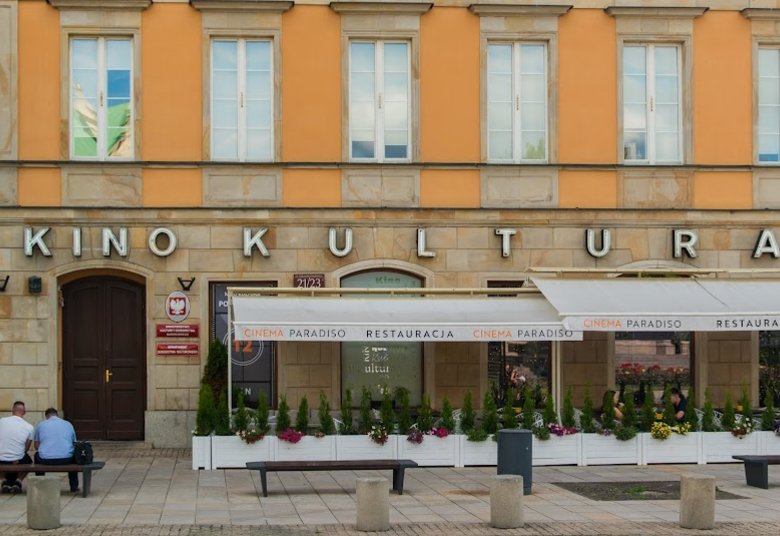
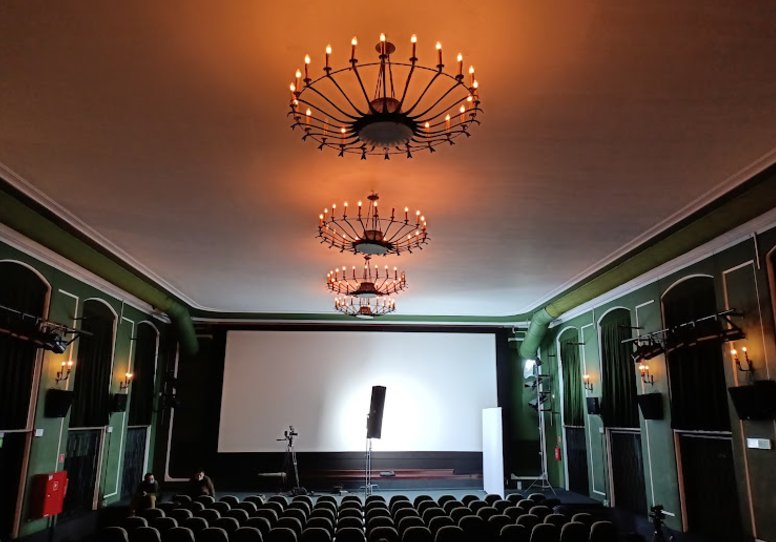
Right in the center of Warsaw, next to the Ministry of Culture, you will find the two-screen Kino Kultura. The main hall seats 234 people, while the smaller Rejs hall, with 60 seats, is located in the inner courtyard.
The program is focused on European and Polish arthouse cinema, including Oscar winners and films awarded at major festivals. One major advantage is that there are no ads before the screenings, which makes it easier to fully sink into the atmosphere of the film.
Ticket prices are among the most affordable in the city, especially on Mondays. Both auditoriums are equipped with modern digital projection.
On the ground floor there is also the Cinema Paradiso restaurant, serving Italian and Mediterranean cuisine. Chef Nestor Grojewski, who previously cooked for Hollywood stars, creates original seafood dishes, handmade pasta, and fish specialties.
Kultura regularly hosts international film festivals, premiere screenings, and meetings with filmmakers. Martin Scorsese, Jiří Menzel, and other well-known directors have appeared here.
6. Kino Atlantic
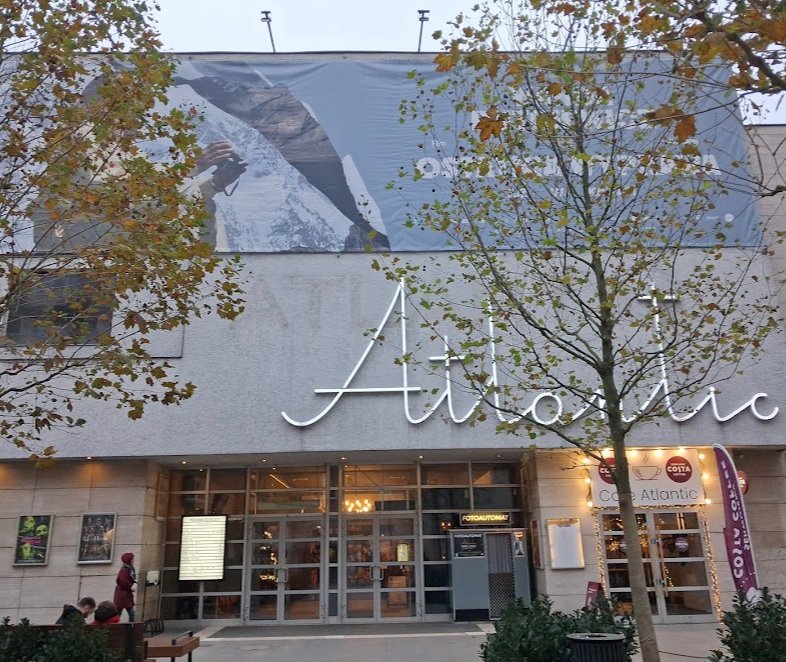
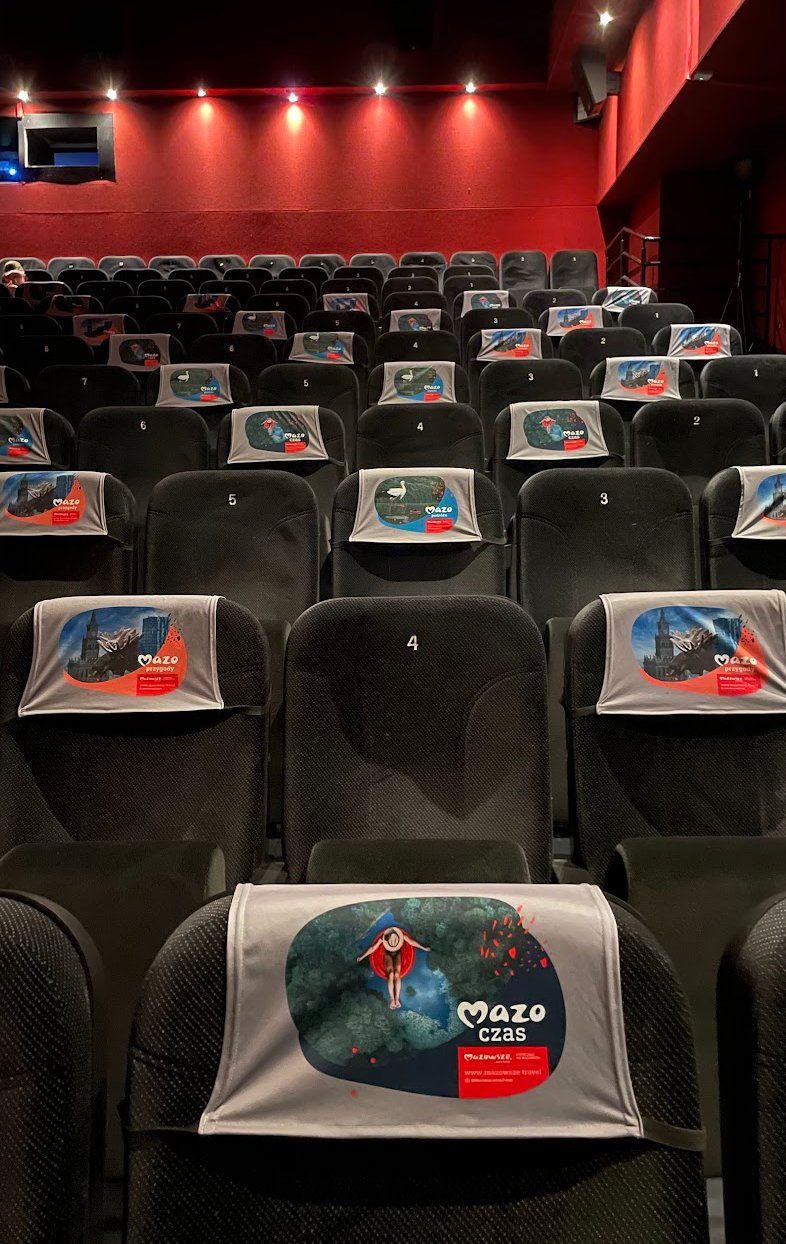
Since 1930, Atlantic cinema on Chmielna 33 has remained the oldest operating cinema in Warsaw. Its four air-conditioned auditoriums can accommodate nearly 800 viewers: Hall A (158 seats), B (221 seats), C (259 seats), and D (156 seats).
Atlantic is impressive not only because of its history – it was the first cinema in the city to screen sound films. The program combines blockbusters with independent cinema. On Wednesdays, seniors can buy discounted tickets as part of the “Time for Seniors” program, while Mondays bring discounts for everyone. Holders of the Warsaw Resident Card also receive reduced prices.
Visitors mention the comfortable seats and excellent popcorn. There are two bars serving fast food. All auditoriums are equipped for 3D screenings. The only real downside is the lack of an elevator, which may be difficult for people with limited mobility.
The cinema regularly organizes themed screenings – from Polish classics as part of “A Short History of Polish Cinema” to cult action films. It also hosts the Warsaw Film Festival.
7. Kino Elektronik
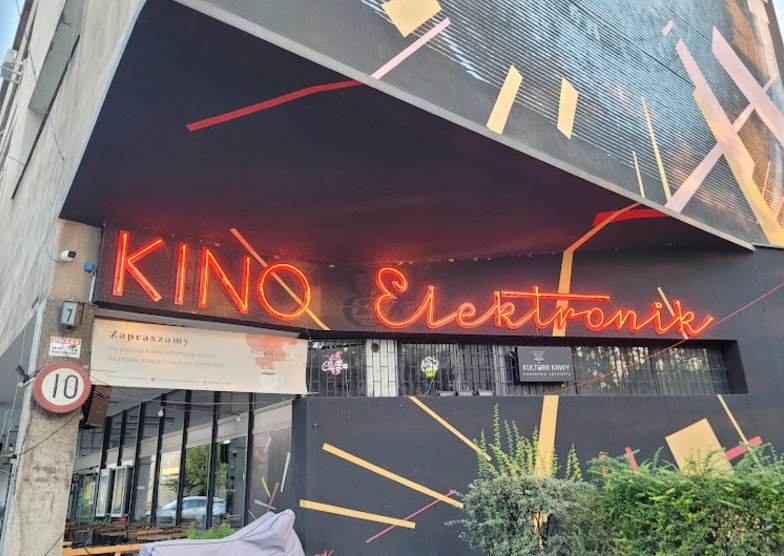
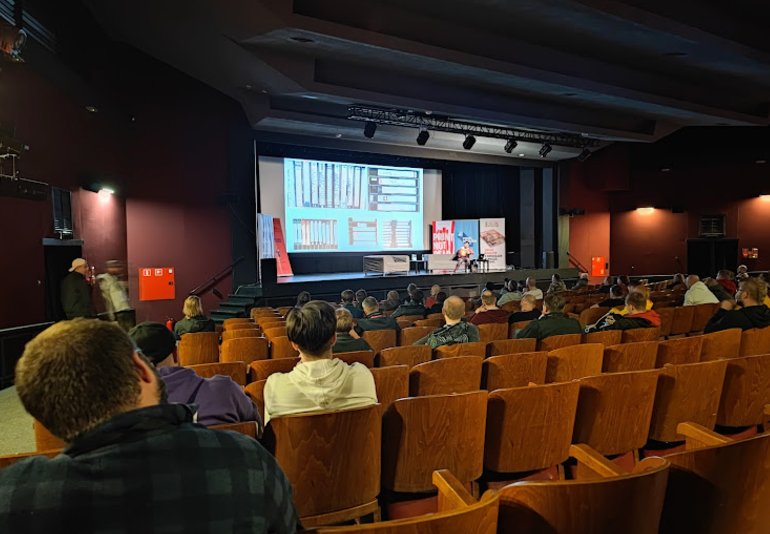
In Warsaw, on a street near the metro, the red neon sign and murals with film scenes immediately catch the eye. Kino Elektronik is housed in a historic building, and after its renovation in 2015 it kept its authentic character.
The main hall seats 410 people, and there is also a smaller room with 26 seats. The unnumbered wooden chairs create a special atmosphere – there is no popcorn and no ads before the screening. Although the seats are not the most comfortable.
The program focuses on arthouse, independent cinema, and classics. The cinema regularly hosts festivals, including Script Fiesta for screenwriters, as well as meetings with directors and actors. Agnieszka Holland has appeared here, and students from the Warsaw Film School screen their work at the venue.
The cinema received the prestigious “Cinema of the Month” title from the Europa Cinemas network. The project is run by the Laterna Magica Foundation under the leadership of Maciej Ślesicki and Bogusław Linda.
8. Kino Praha
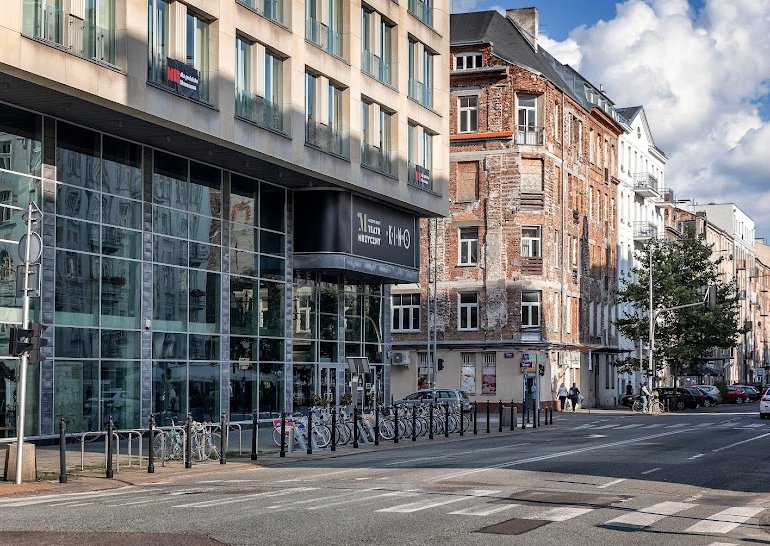

Kino Praha shows both new releases and arthouse films, and also hosts live broadcasts of sports events and concerts.
Ticket prices are noticeably lower than in the big chain cinemas. The auditorium is rarely overcrowded, which makes for a calmer viewing experience. The Jan Kiepura Theater is now also based here, with musical productions including The Blue Castle.
The cinema is introducing modern technology, including elements of artificial intelligence in its service. At the same time, it is worth noting that the snack bar does not operate regularly, so it is best to check in advance whether it is open before your screening.
9. Kino Iluzjon
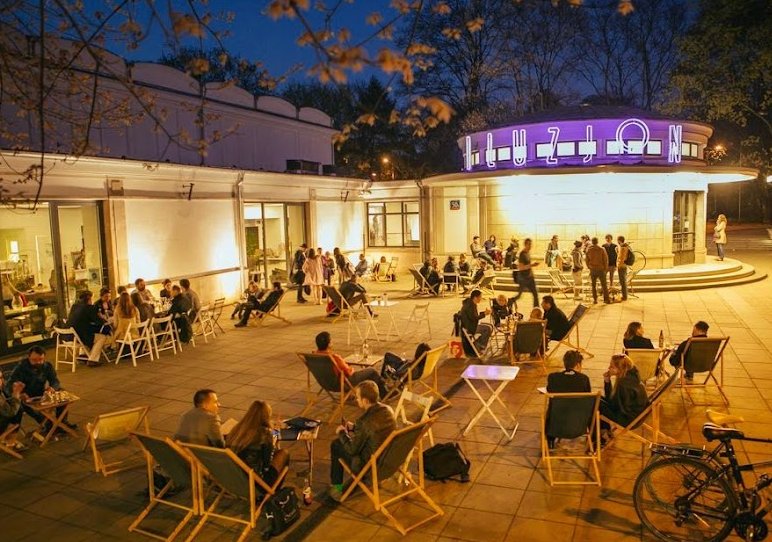
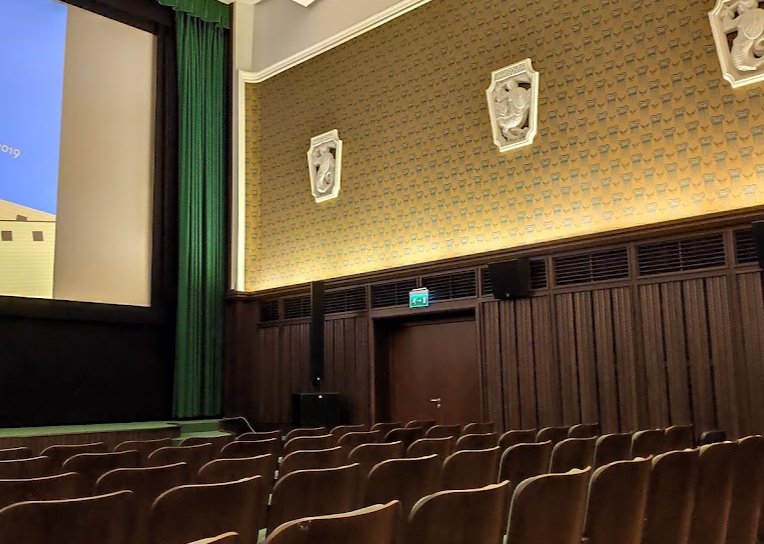
In a historic 1950s building on Narbutta Street, Kino Iluzjon is a true museum of cinema in Warsaw. There is no popcorn and no advertising before the screening, but there are two comfortable auditoriums instead – the larger Stolica with 263 seats and the intimate Mała Czarna with 47.
The program includes both classics and contemporary arthouse films. Some screenings are preceded by the Polish Film Chronicle, which creates a special atmosphere. The cinema also has the cozy Stolica café with a terrace, where you can have a coffee or a beer before or after the film.
The cinema regularly hosts festivals and meetings with directors. Werner Herzog, Mike Leigh, Jiří Menzel, and other well-known filmmakers have appeared here. On Sundays, the children’s club Mały Iluzjon is open.
One thing to keep in mind is that archival prints may sometimes have visible flaws – splices and frame jumps. But that is exactly what creates the authentic atmosphere of an old cinema.
10. Kinoteka
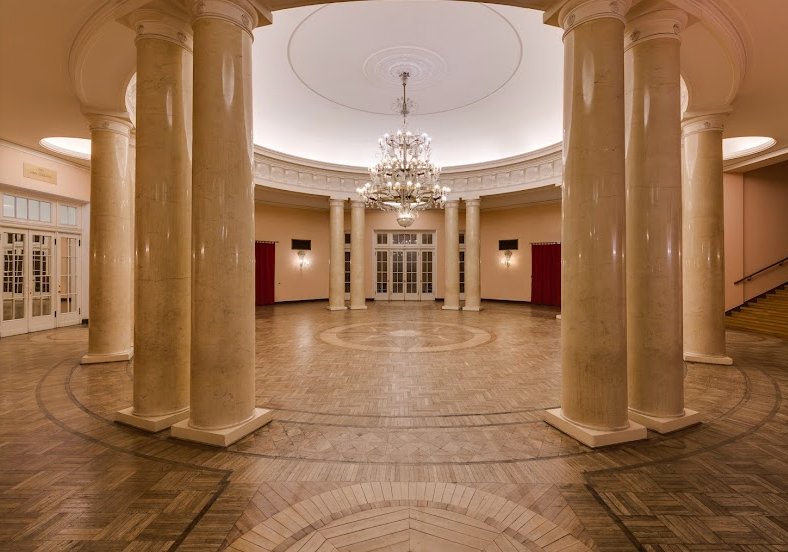
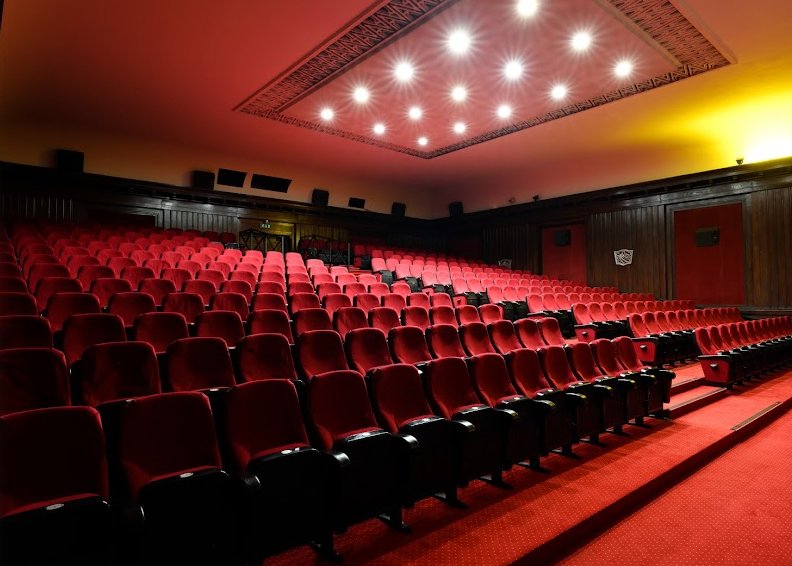
In the very heart of the Palace of Culture and Science, Kinoteka occupies the space once home to three historic cinema halls opened here in the 1950s. Today it has eight modern screening rooms ranging from 48 to 294 seats, with a total capacity of 1,410.
In 2021, the cinema underwent a major renovation: new screens were installed with support from the Polish Film Institute, the seats and carpets were replaced, and the restrooms and food area were modernized.
The program combines commercial releases with independent and arthouse cinema. Kinoteka is the main venue for major festivals such as Millennium Docs Against Gravity, Młode Horyzonty, Asian Five Flavours Film Festival, and others. As a member of the Europa Cinemas network and the Studio Cinema Network, Kinoteka actively promotes European cinema and runs educational programs for young people.
For premiere screenings, themed photo zones are often prepared – for example, a special installation was created for the Barbie film. The technical standard is high: strong image quality and sound make for a fully immersive film experience.
11. Kinokawiarnia Stacja Falenica
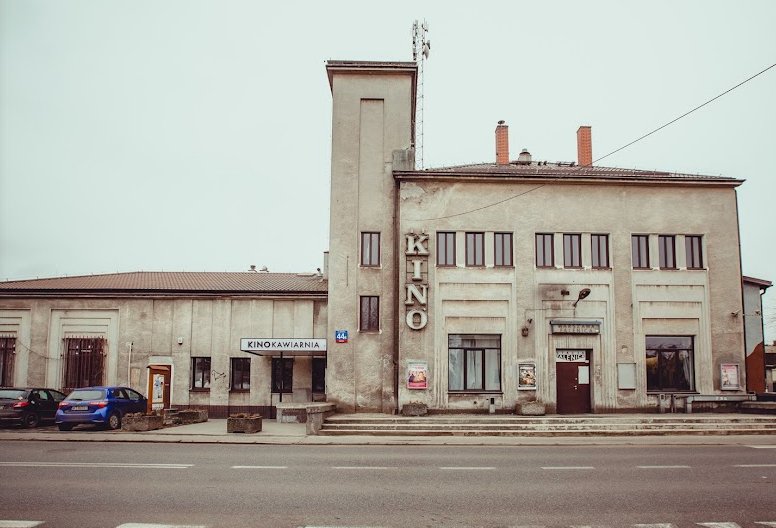
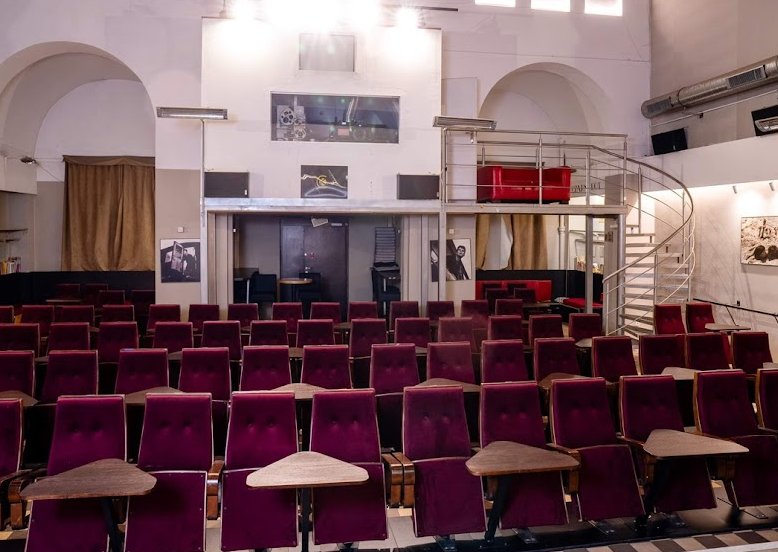
Outside the window, commuter trains pass by while you watch a film with a cup of coffee and a homemade cake – that is probably the best way to describe the unusual Stacja Falenica cinema, opened in 2010 inside a modernist station building from the 1930s.
The cinema has two screening rooms with good sound and projection. In the larger hall, instead of traditional rows of seats, there are tables and soft armchairs, and waiters serve guests directly during the screening. You can order coffee, wine, or desserts. There is very little advertising before the film – no more than 10 minutes.
The program is focused on arthouse and quality cinema – the venue is part of the Europa Cinemas network. The team regularly travels to festivals to select films. There is also a bookstore on site, and in summer the outdoor veranda is open.
The café has become popular not only with local residents. It was renovated in 2017, and artistic ceiling graphics referencing the history of the district were added.
Beyond film screenings, the building also serves as a cultural center for the neighborhood: concerts, theater performances, educational programs for young people and seniors, book launches, and children’s workshops all take place here.