If you are only going to spend two days in Warsaw but want to see as much as possible, 48 hours is enough to get familiar with the most important parts of the Polish capital.
This route covers eight districts of the city, from the medieval Old Town to modern Powiśle. Over two days, you will go from the Royal Castle to the observation deck of the Palace of Culture and Science, from the quiet paths of Łazienki Park to the lively streets of Praga.
On the first day, we will focus on the historic center and the city’s green parks. The second day will be dedicated to areas that are less touristy, but just as interesting.
The route takes around 20 hours in total, including breaks for coffee and lunch. The pace is fairly intense, but manageable – the distances between the stops are short, and you can get around by public transport. In the worst case, you can always skip a couple of locations that interest you the least.
The route works in any season, although in summer you get an extra bonus – the fountains are running and the beach bars along the Vistula are open.
For those who want to explore the atmosphere of Warsaw even more deeply, we have also prepared guides to the city’s best restaurants, cozy cafes, and must-visit museums.
And if you do not feel like just walking around Warsaw, I recommend booking a guided tour or getting a universal pass that gives you access to more than 20 museums.
DAY 1
Old Town (08:30-10:30)
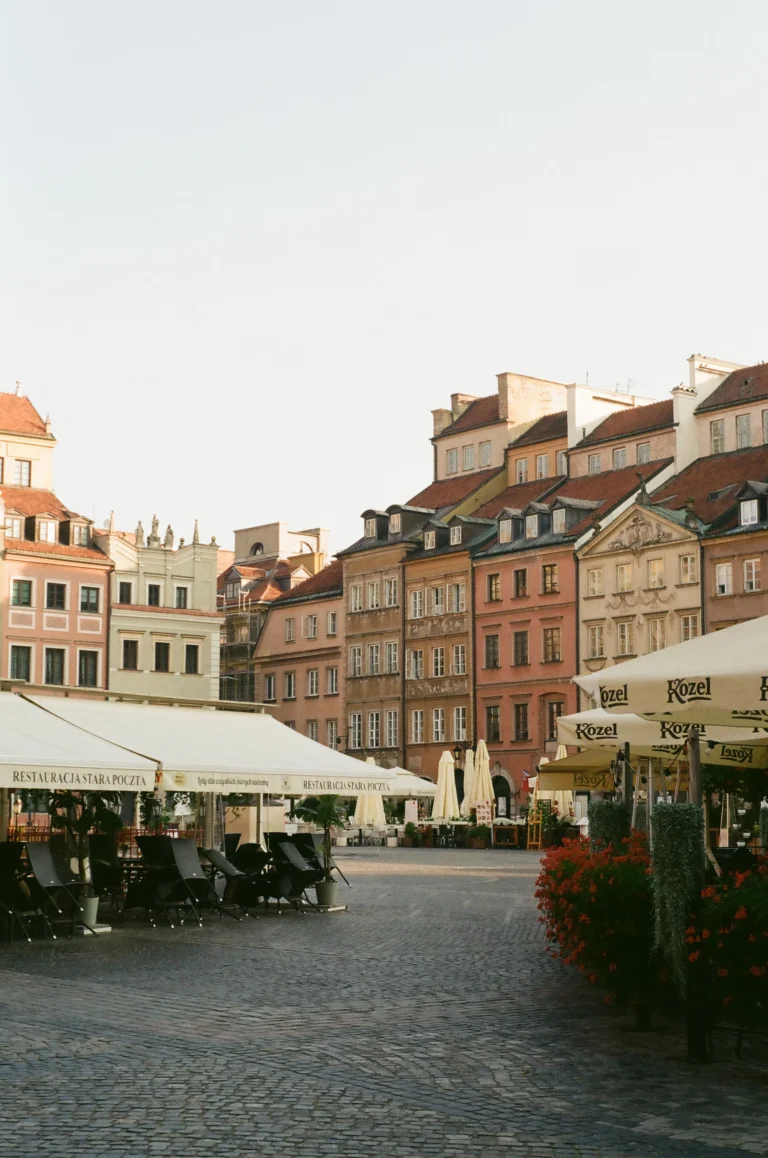
The best way to start the day is in the Old Town, when its streets are still not crowded with tourists. From the Ratusz Arsenał metro station, it takes about 7 minutes to walk to Market Square, the heart of historic Warsaw.
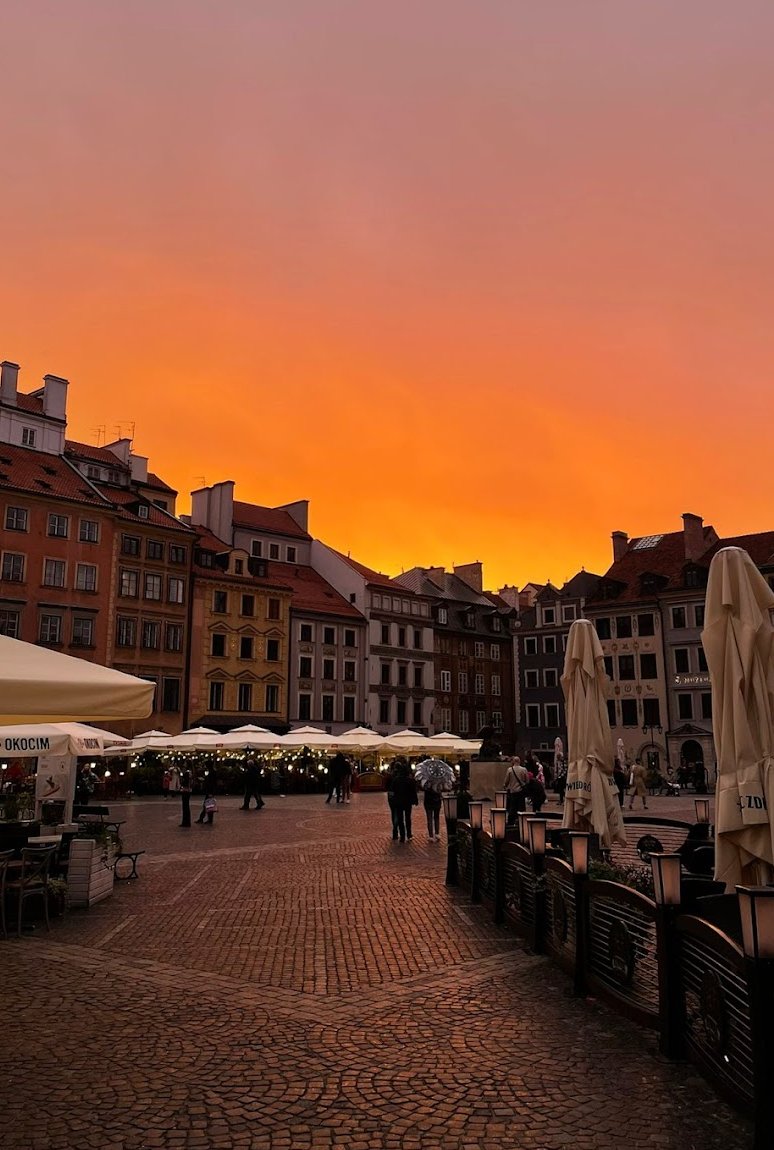
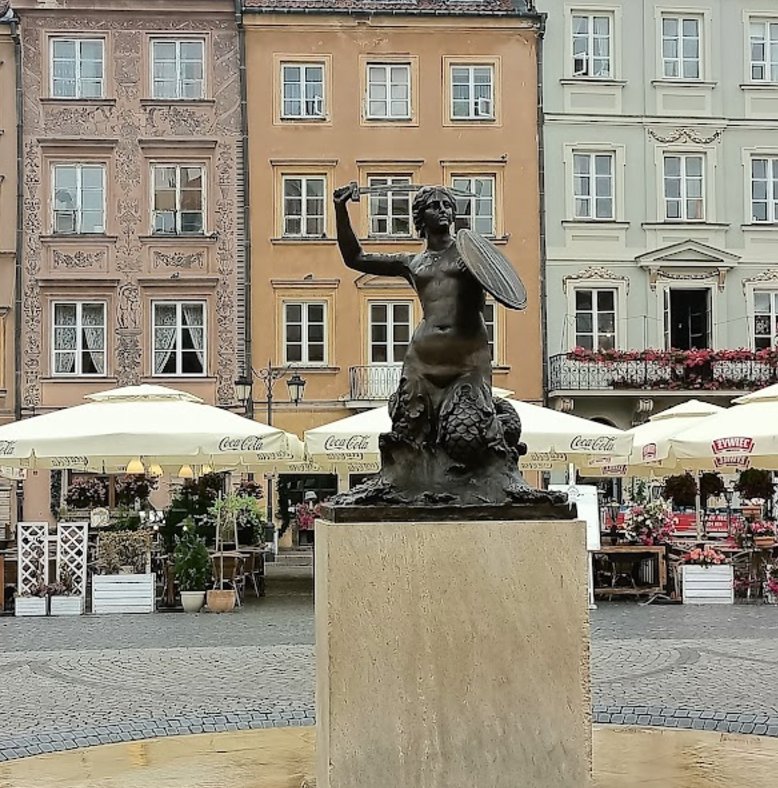
Here you will be greeted by colorful merchant houses, rebuilt after the war using old plans and paintings. In the center of the square stands the Mermaid statue, the city’s protector, and cozy cafés are scattered all around.
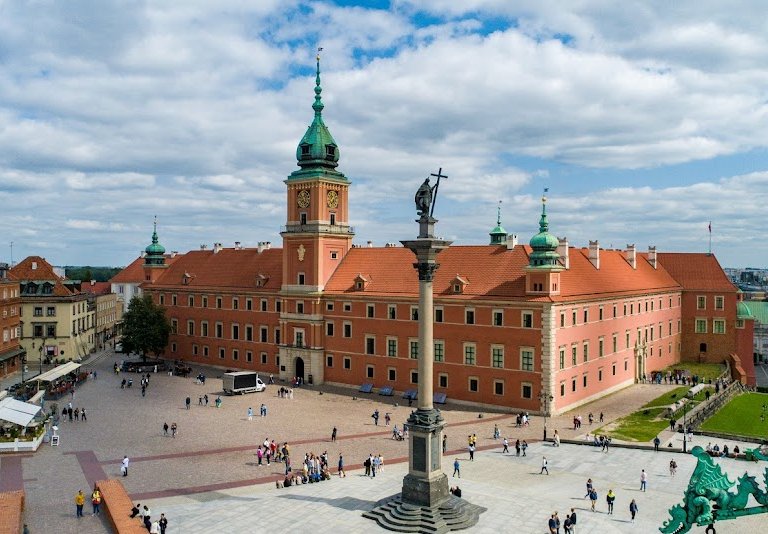
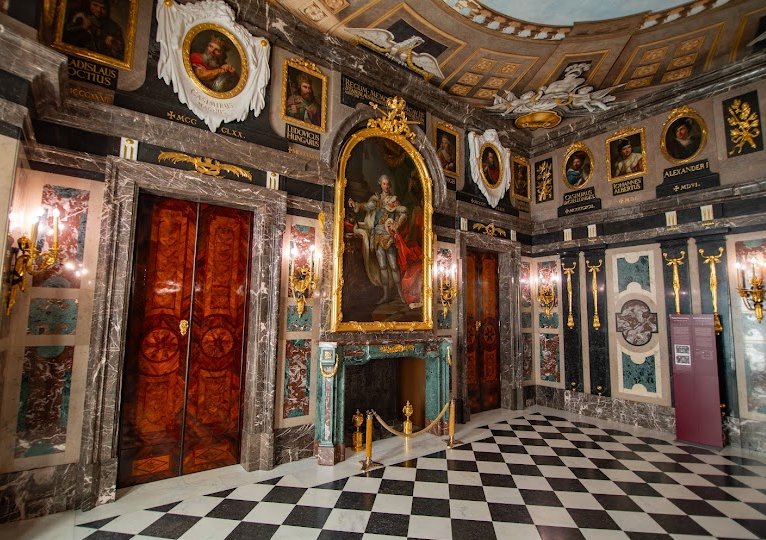
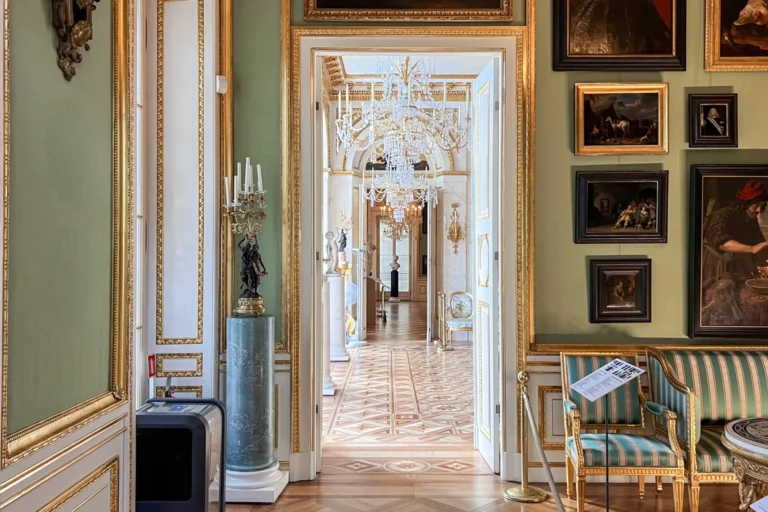
From the square, walk over to the majestic Royal Castle, the former residence of Polish monarchs, which now houses a collection of paintings by Rembrandt. Step inside St. John’s Archcathedral, where Polish kings were crowned.
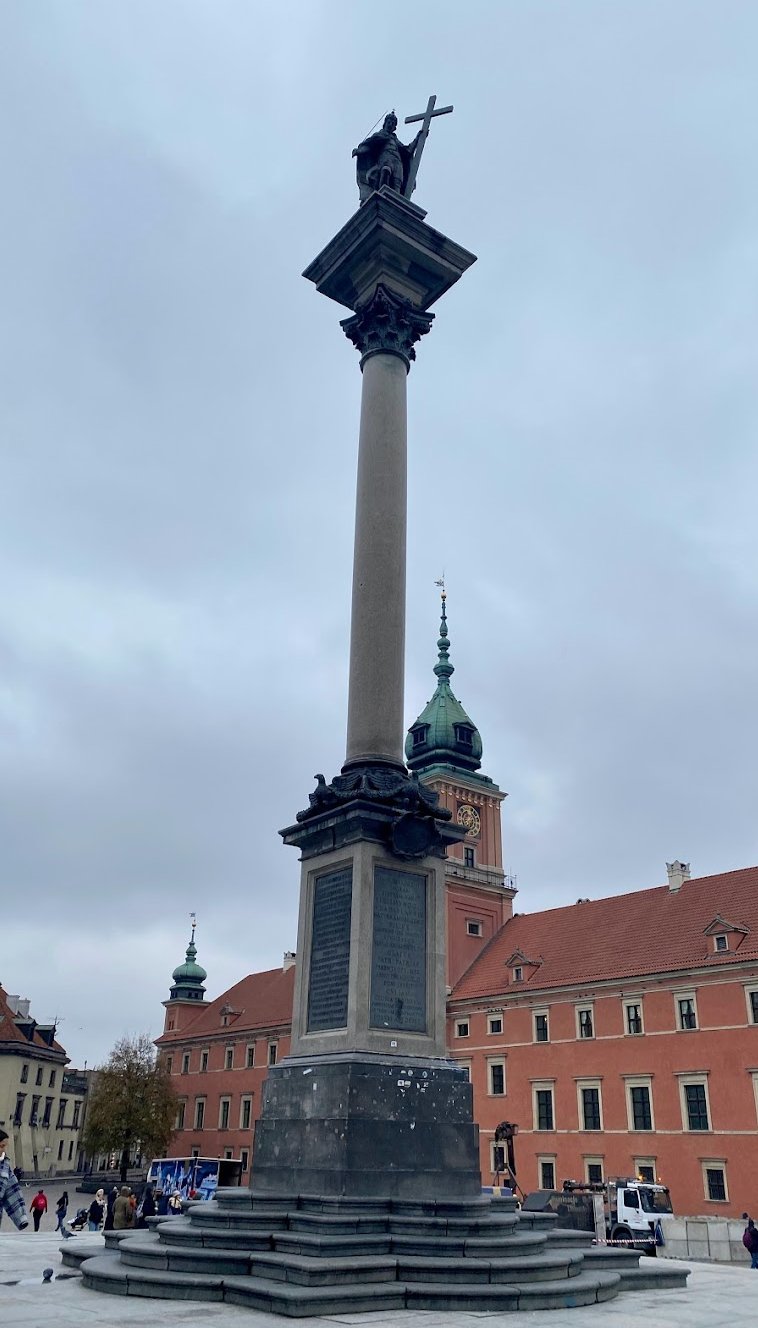
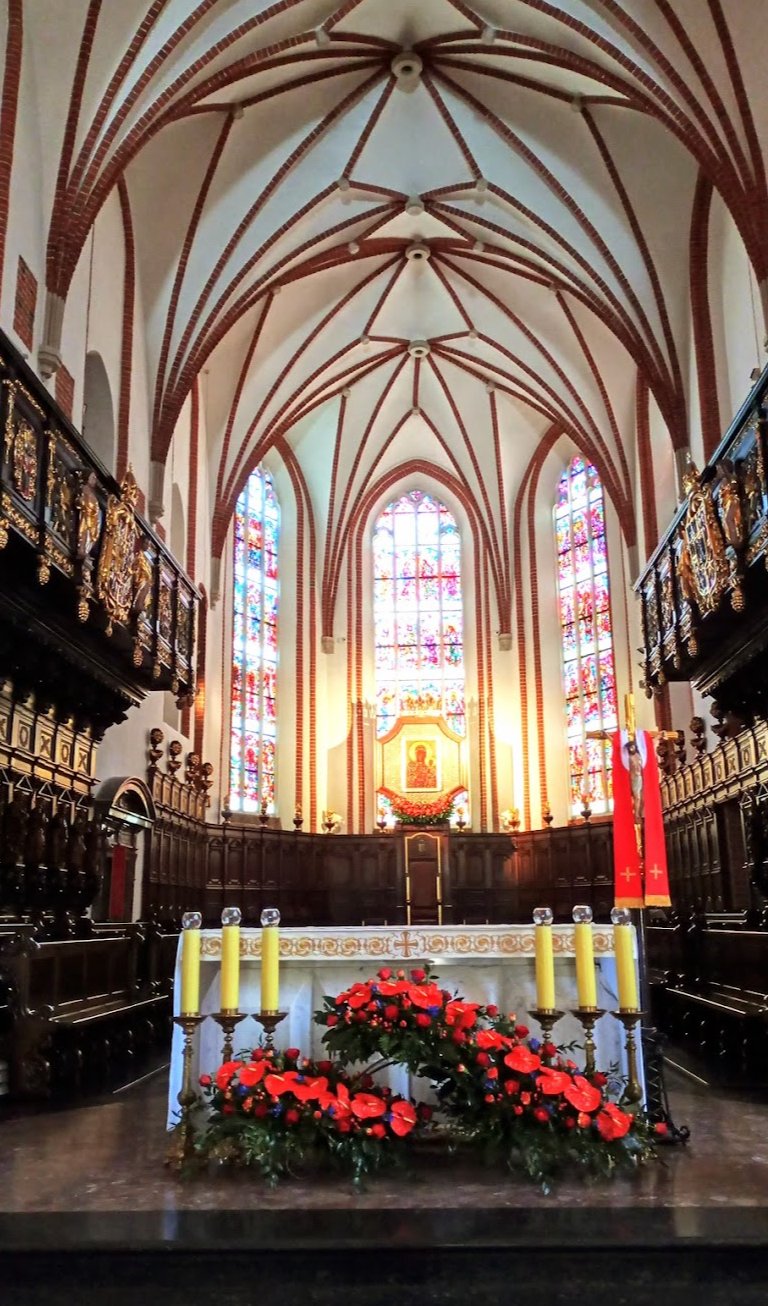
Next to the castle rises the 22-meter Sigismund’s Column, the oldest secular monument in the city, with a view over Castle Square. Along the way, notice the building of the Warsaw Museum, whose façade is decorated with architectural details characteristic of the Old Town.
In two hours, you will have enough time to soak up the atmosphere of medieval Warsaw and take your first photos before the crowds arrive.
Defensive Fortifications (10:45-11:30)
The medieval defensive system of Warsaw begins at the Barbican. These fortifications once completely surrounded the city, protecting it from enemy attacks.
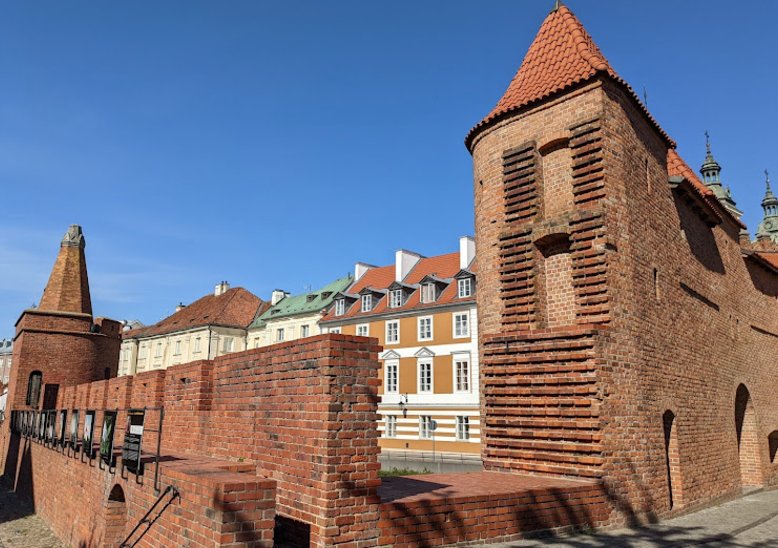
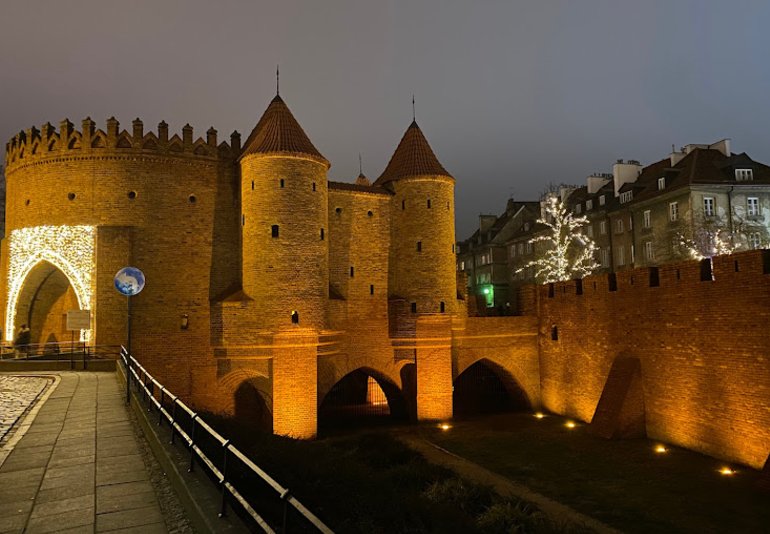
The Barbican connects to a preserved section of the city walls – walk along them to get a sense of the scale of the old fortifications. Information boards placed near the walls show historic photographs and diagrams illustrating what the defensive system looked like in the 15th and 16th centuries.
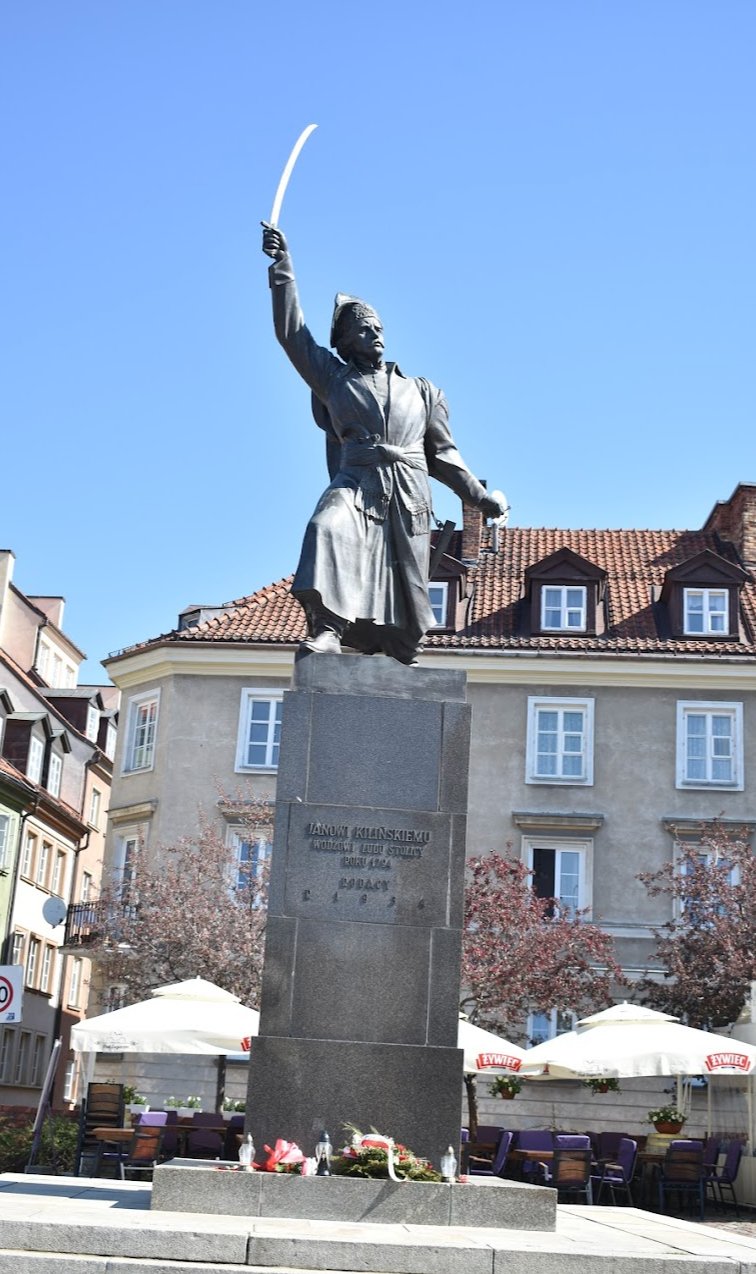
In this part of the route, you will also see the monument to Jan Kiliński, a shoemaker who became one of the leaders of the Kościuszko Uprising of 1794.
Today, the Barbican is a popular meeting point and a venue for city events, especially in summer. Exhibitions dedicated to the city’s history are often held inside its walls.
Only part of the city walls has survived, but this section gives a clear idea of the medieval defense system.
Krakowskie Przedmieście (11:30-13:00)
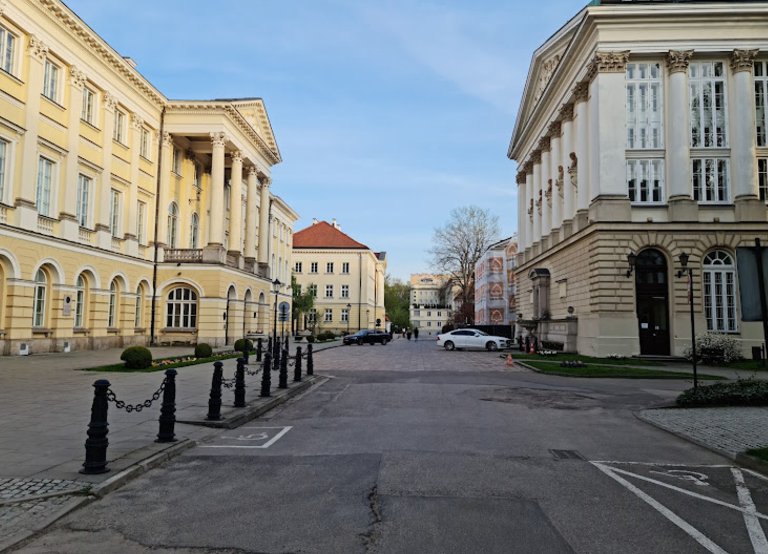
Krakowskie Przedmieście will greet you as one of the most elegant corners of Warsaw. Start at the Copernicus monument, where tourists and students usually gather, and head toward the University of Warsaw, the main cradle of Polish интеллигенция since 1816.
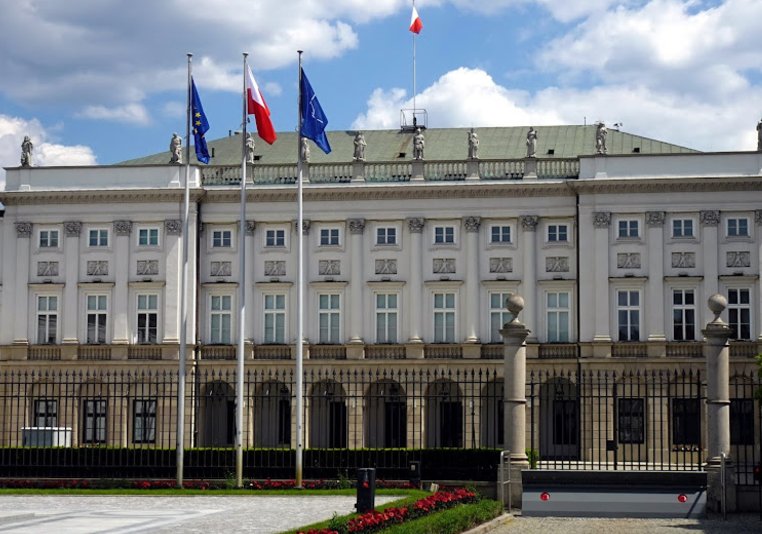
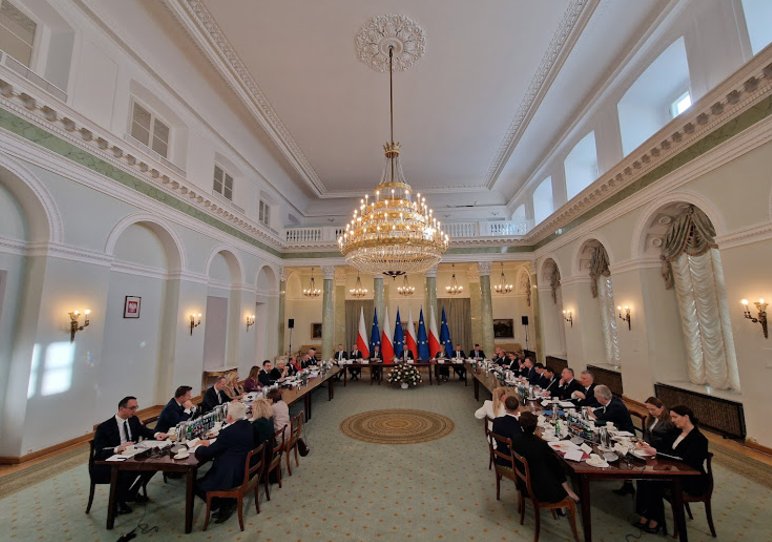
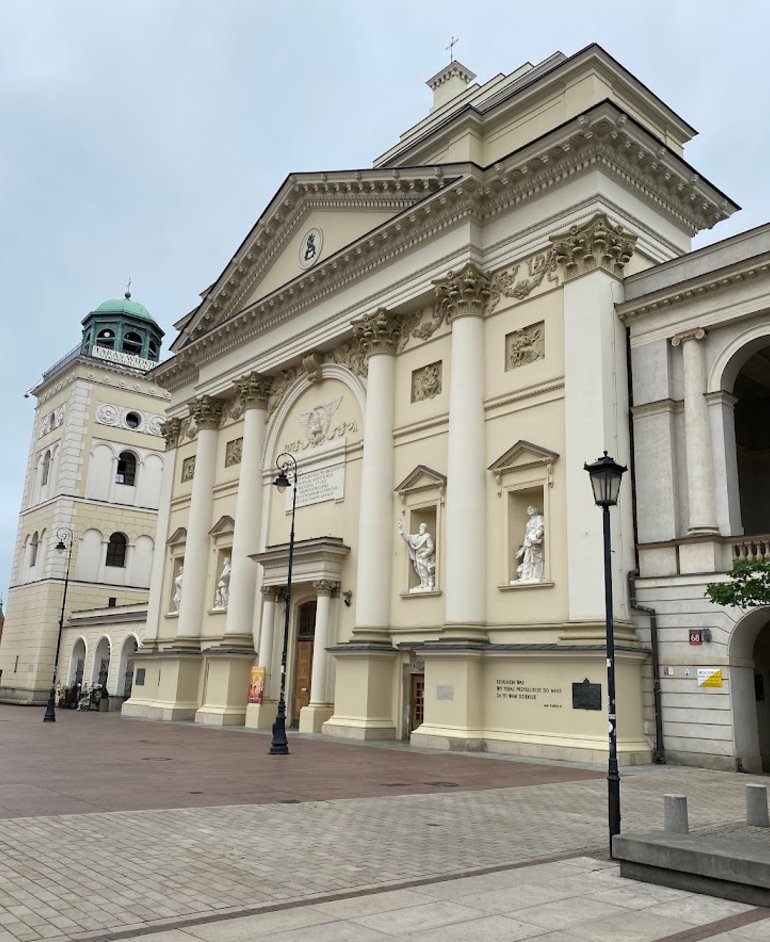
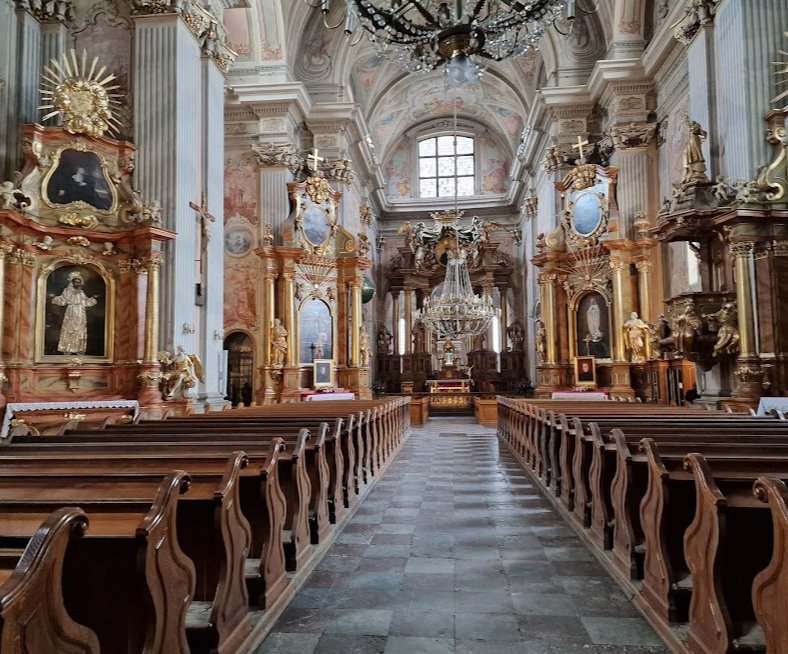
On the way, step into St. Anne’s Church, which has preserved its original 18th-century Baroque architecture. The Presidential Palace, the official residence of the head of state since 1994, draws attention with its classical façade and ceremonial guard change.
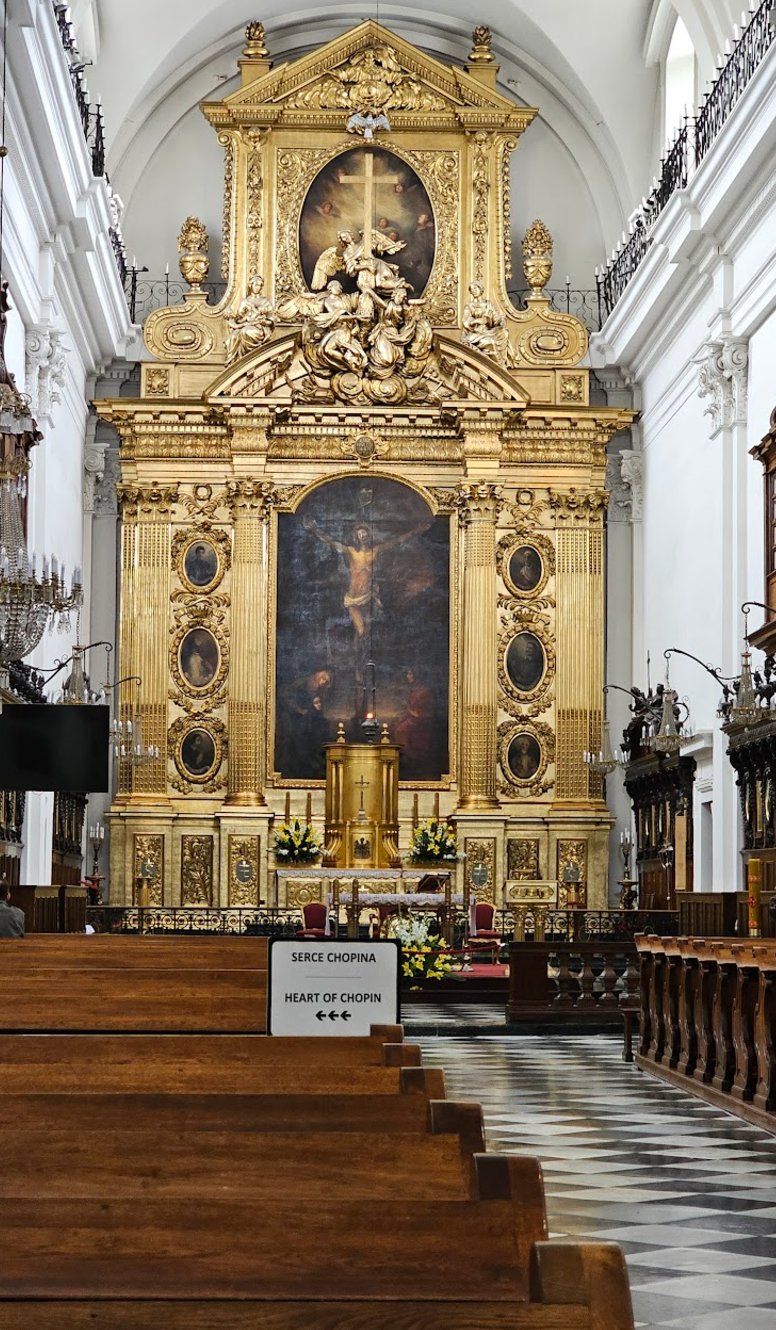
At the Church of the Holy Cross, you will find an unusual relic – an urn containing the heart of Frédéric Chopin, sealed inside one of the pillars. At the musical Chopin bench monument, you can sit down and listen to fragments of his works by pressing a special button.
This part of the route is especially good for a slow walk – there are plenty of cozy cafés where you can take a break with a cup of coffee. In an hour and a half, you can comfortably see all the main sights along this historic street that connects the Old Town with the modern center of Warsaw.
Nowy Świat (13:00-14:00)
After your walk along Krakowskie Przedmieście, you will arrive on Nowy Świat Street, one of Warsaw’s main shopping arteries.
As you continue down the street, you will see elegant 18th- and 19th-century stone townhouses that now house shops, restaurants, and cafés.
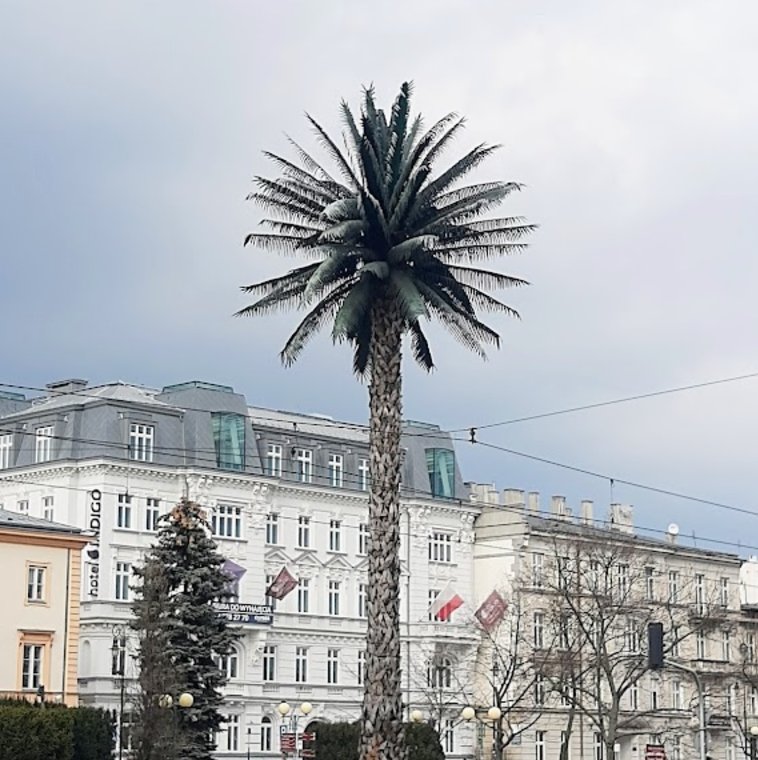
At the end of Nowy Świat, you will come to a roundabout with an unusual 15-meter metal palm tree – a contemporary art installation that has become one of the symbols of modern Warsaw.
City Center (14:15-15:15)
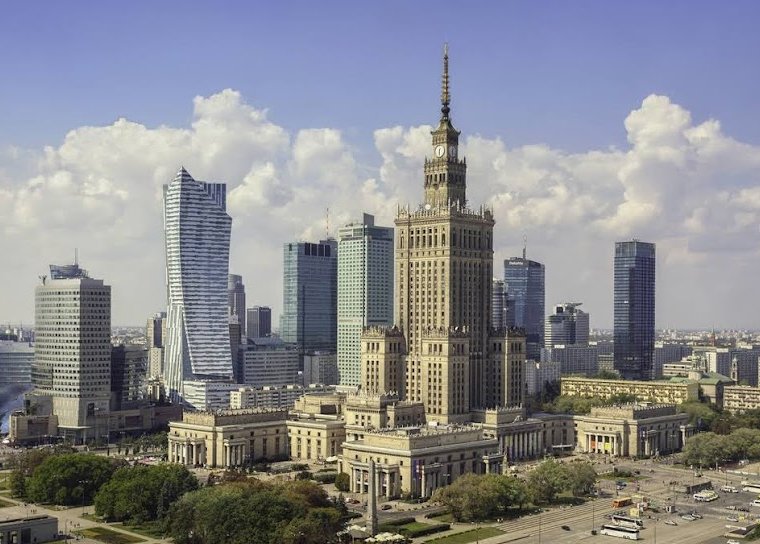
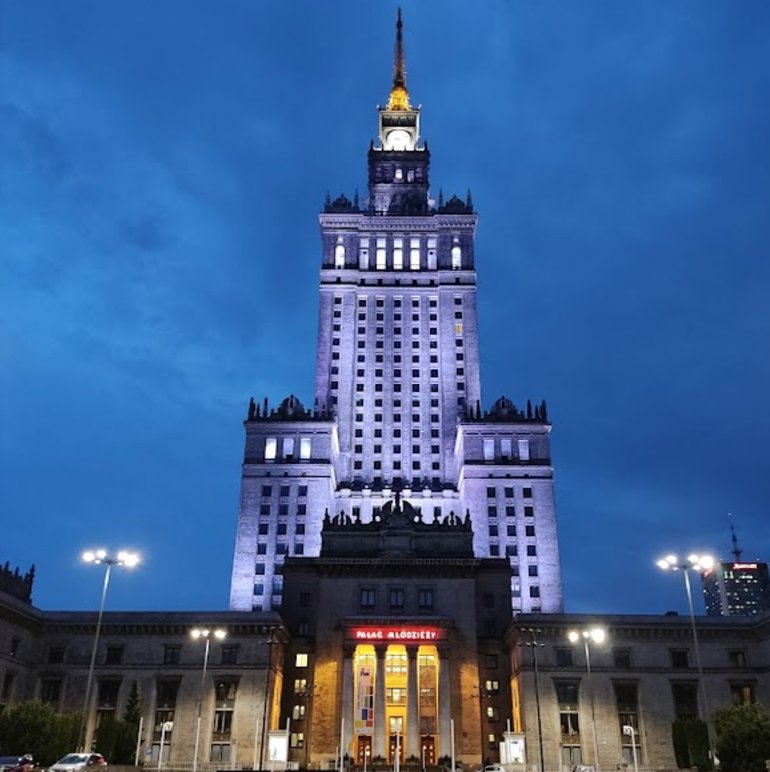
The Palace of Culture and Science, the monumental symbol of postwar Warsaw, will be the next stop on your route. From the observation deck on the 30th floor, you will see a panoramic view of the city from a height of 114 meters.
From this point, you get an especially good view of the modern skyscrapers of the business district and Warsaw’s historic neighborhoods. The building houses four theaters, a cinema, and several museums – stop by the ticket offices if you are interested in cultural events for the evening.
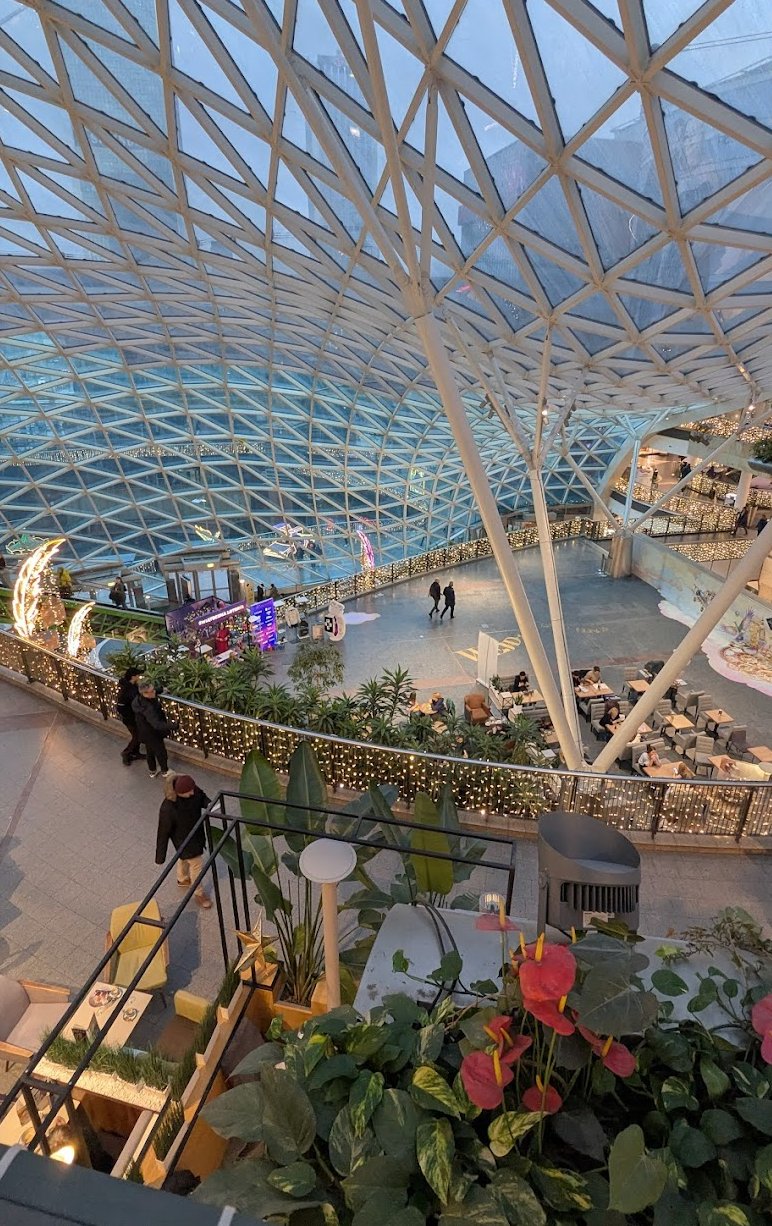
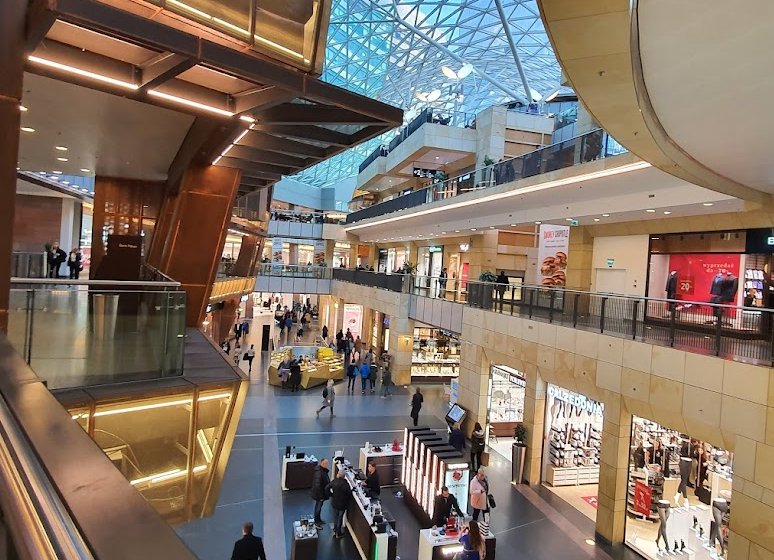
Just a few steps from the Palace is the Złote Tarasy shopping center, recognizable by its distinctive wavy glass roof. Here you can rest at one of the cafés or shop in more than 200 stores.
Nearby is the Warszawa Centralna railway station, built in the modernist style of the 1970s. This whole area clearly shows the contrast between socialist and contemporary architecture in the Polish capital.
The Walk to Łazienki (15:30-16:00)
A busy Marszałkowska Street, one of the city’s main commercial routes, leads from Złote Tarasy to Łazienki. Along the way, you will pass through Zbawiciela Square, where several of Warsaw’s important transport arteries intersect.
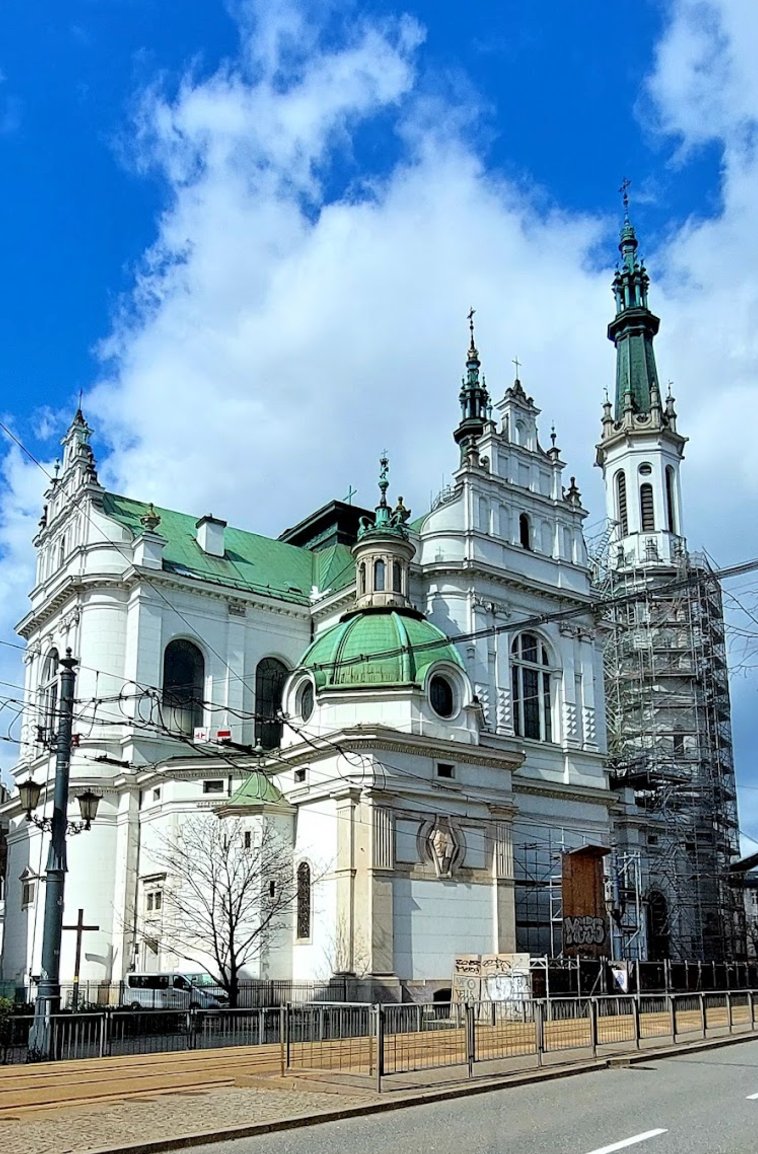
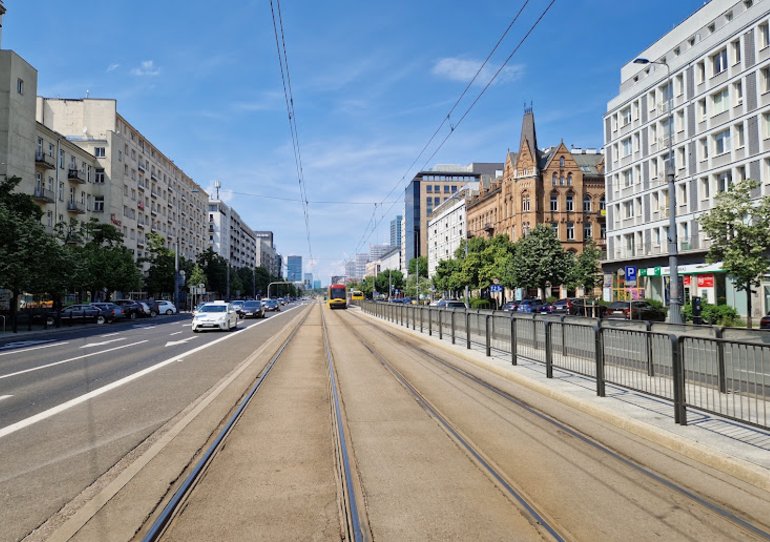
Here you will find the Church of the Savior, one of the city’s largest churches, built at the end of the 19th century. In good weather, its observation terrace offers a view over the city center.
Marszałkowska will bring you to the beginning of Łazienki Park – it is worth paying attention to the historic buildings on both sides of the street, many of which were rebuilt after the war.
At the intersection with Piękna Street, turn right – in 5 minutes you will reach the main entrance to the royal park. On the way, you will pass several cozy cafés where you can rest before your walk through the park.
Royal Łazienki (16:00-18:00)
Royal Łazienki is the largest park complex in Warsaw and the calmest part of the route.
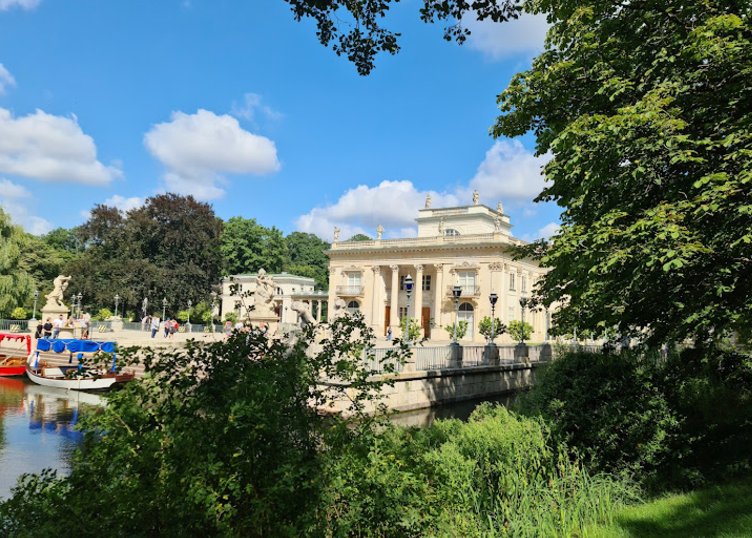
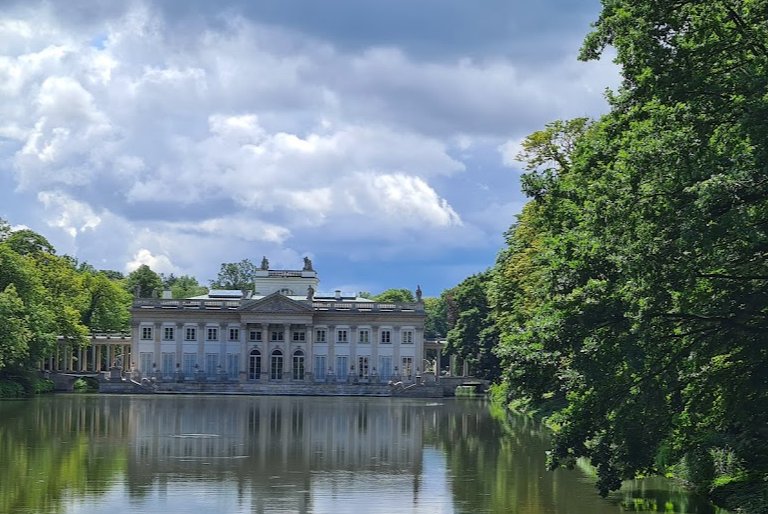
From the entrance, head toward the Palace on the Isle, the summer residence of Poland’s last king, Stanisław August. Along the way, you will see peacocks freely roaming the grounds. In the warm season, free classical music concerts are held every Sunday at the Chopin monument.
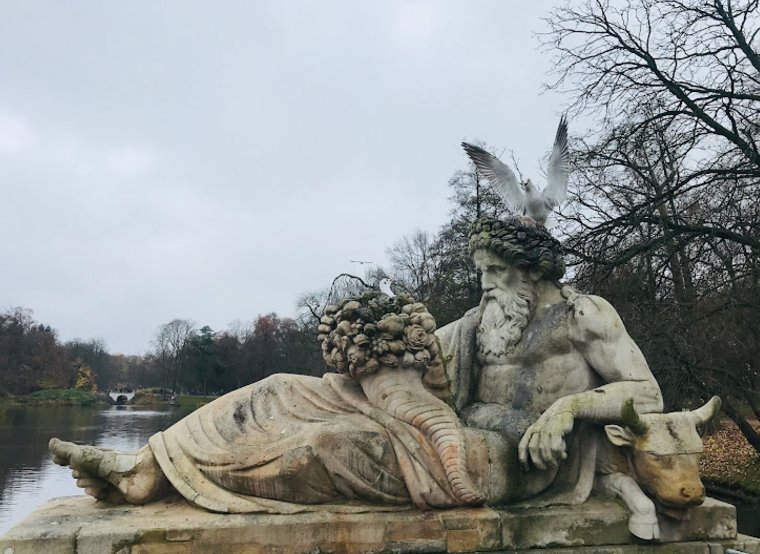
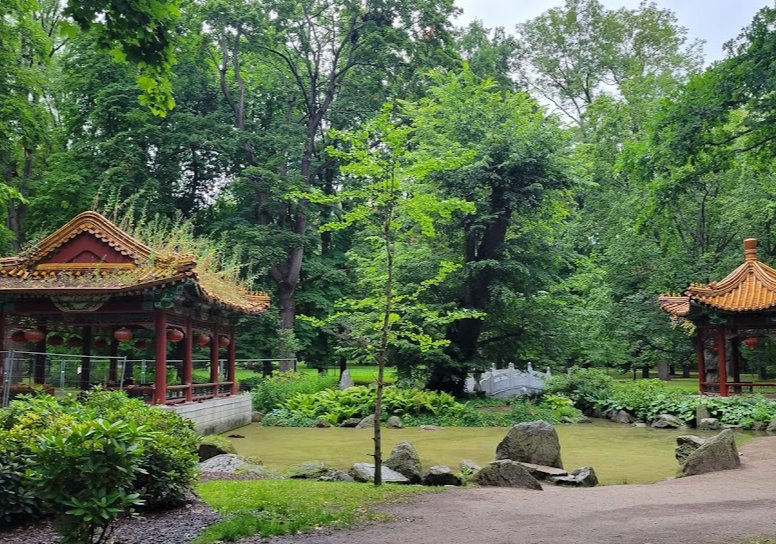
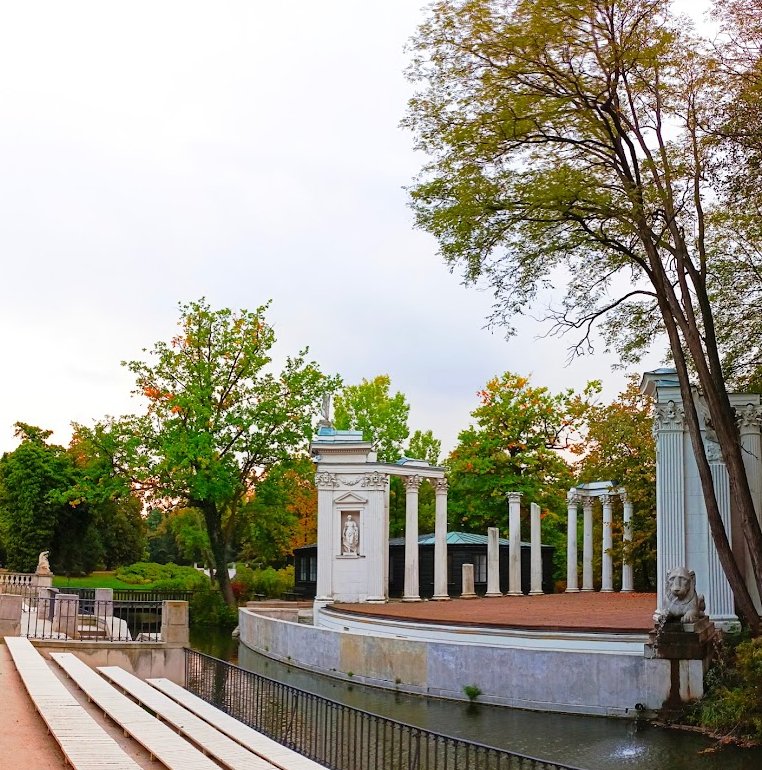
Stop by the antique-style amphitheater on the artificial island – its stage is separated from the audience by a water canal. Walk up to Belweder Palace, from where you get a panoramic view over the lower part of the park.
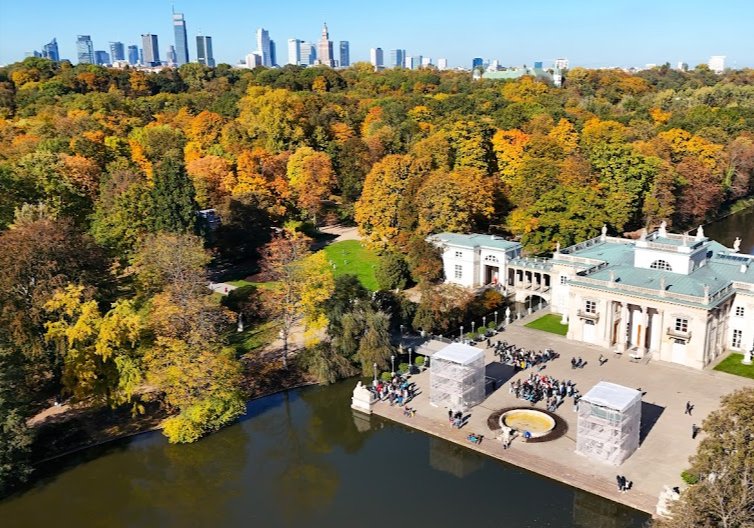
The park is full of secluded paths and benches where you can rest after a busy day. Bring some nuts with you – the local squirrels are used to taking treats straight from people’s hands.
If the weather is good, rent a boat and take a ride on the lake near the Palace on the Isle.
Ujazdów Area (18:00-19:30)
From Łazienki Park, continue toward Ujazdów Park – there are fewer tourists here, but the area is no less interesting. In the center of the park stands Ujazdów Castle, a former royal residence that now houses the Center for Contemporary Art.
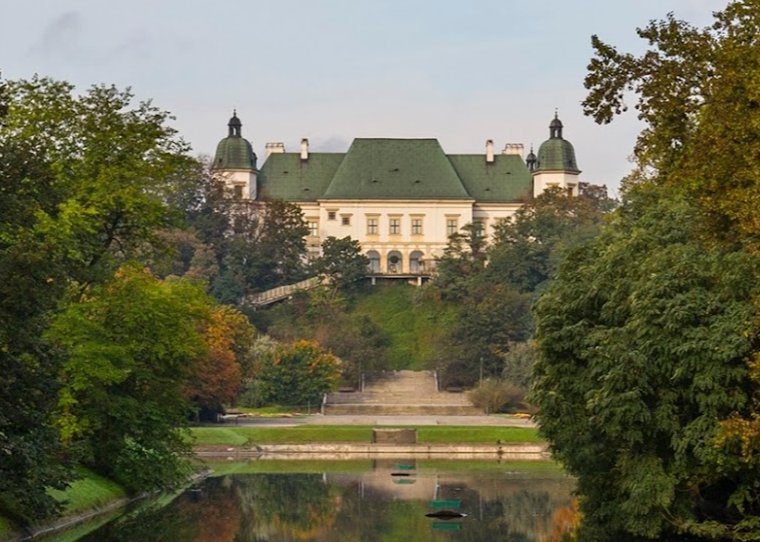
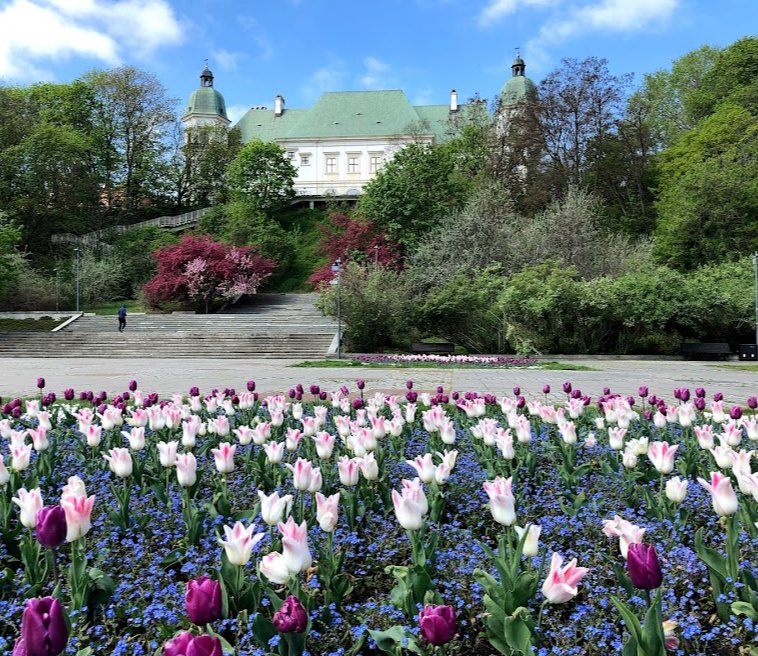
Go inside to see temporary exhibitions by Polish and international artists. On the way to the Zachęta National Gallery of Art, notice the elegant early-20th-century villas – they convey the atmosphere of prewar Warsaw very well.
Inside the Zachęta Gallery, you will find the largest collection of contemporary Polish art. On the square in front of the gallery, it is worth paying attention to the monument to Józef Piłsudski.
If you still have time, it is worth taking a walk along Piękna Street with its cozy Art Nouveau cafés. The area is especially beautiful at sunset, when the last rays of light illuminate the façades of the historic buildings.
DAY 2
Praga District (09:00-11:00)
Start the morning on the right bank of the Vistula, in the Praga district – a historic quarter where the atmosphere of prewar Warsaw has been preserved.
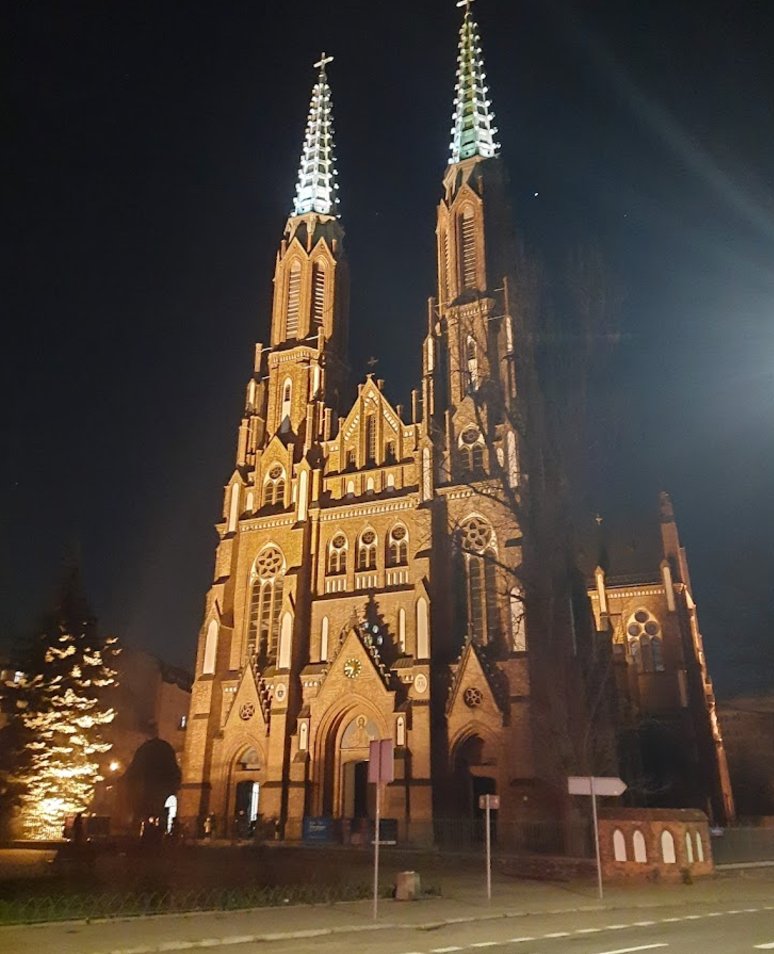
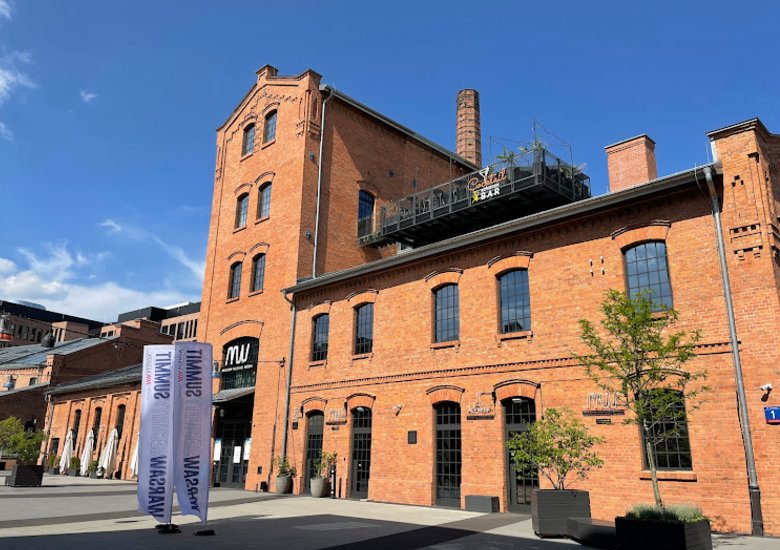
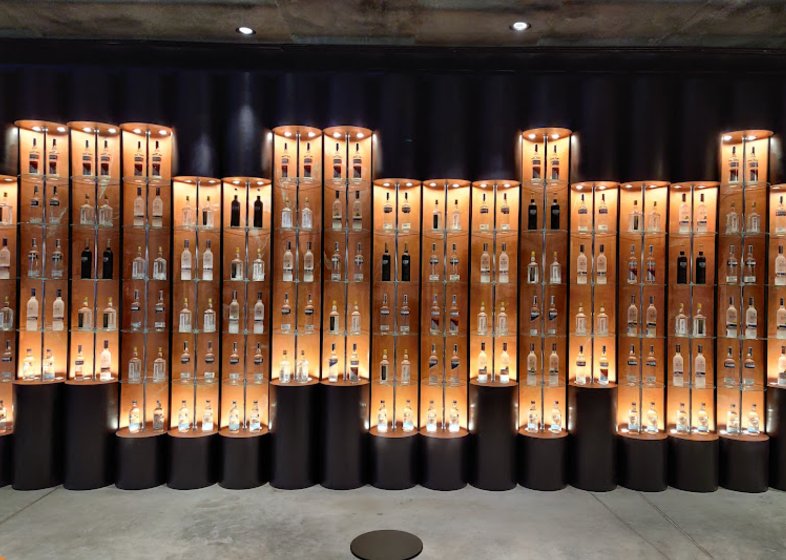
From the Dworzec Wileński metro station, head toward the majestic St. Michael’s and St. Florian’s Cathedral, built in the Neo-Gothic style. Just a few minutes away is the Vodka Museum, located in the former Koneser factory building, where you can learn about the history of Poland’s famous drink.
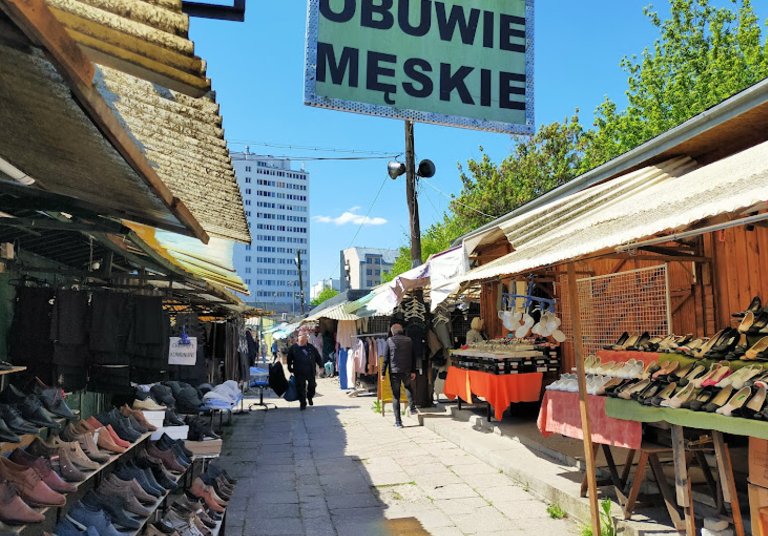
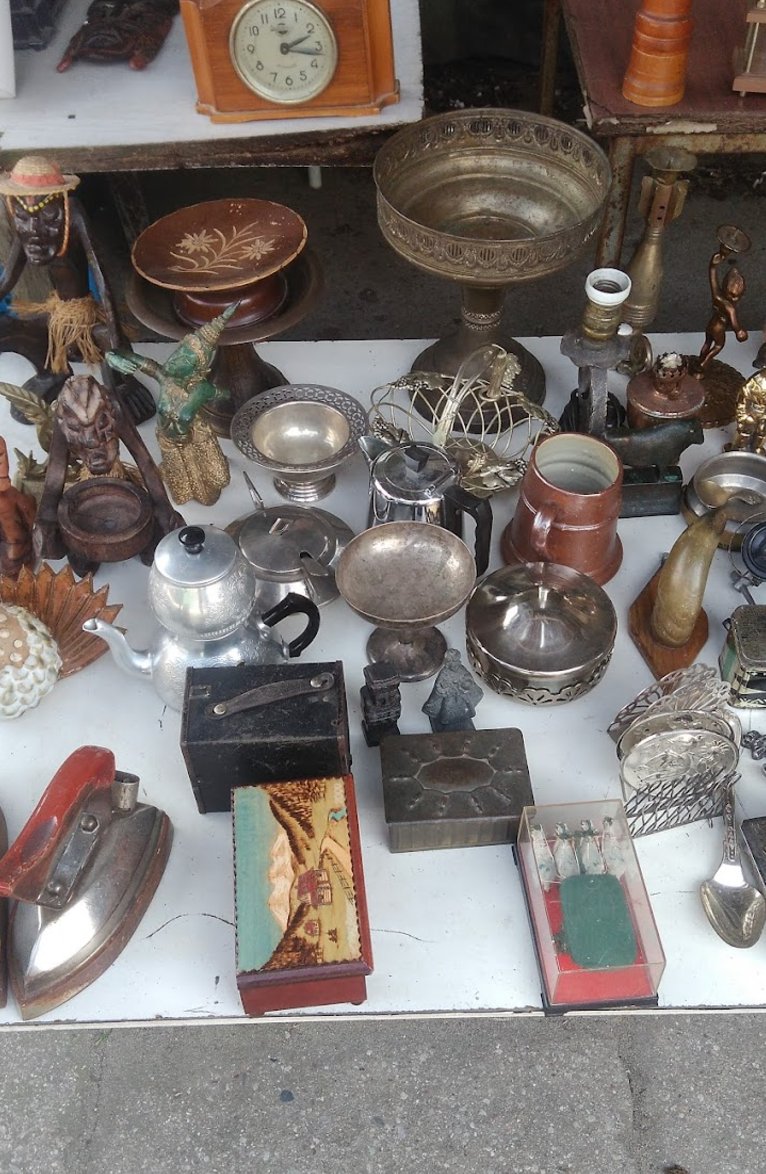
Stop by the colorful Różycki Bazaar, where locals still shop for fresh produce and where you can also find vintage items. Walk through the streets rich in street art – local artists have turned old walls into large-scale canvases.
Unlike the left-bank part of the city, this area has preserved prewar buildings that create the distinct atmosphere of “old” Warsaw.
Jewish Quarter (11:30-13:00)
After a short ride on public transport, you reach one of the most important parts of getting to know Warsaw. In the area of the former Jewish ghetto, fragments of the wall that once separated the ghetto from the rest of the city have been preserved – you can find them on Sienna Street.
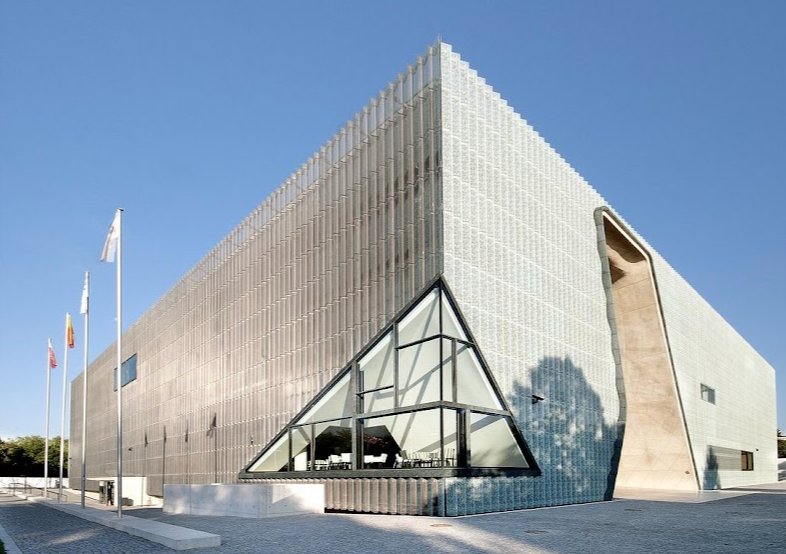
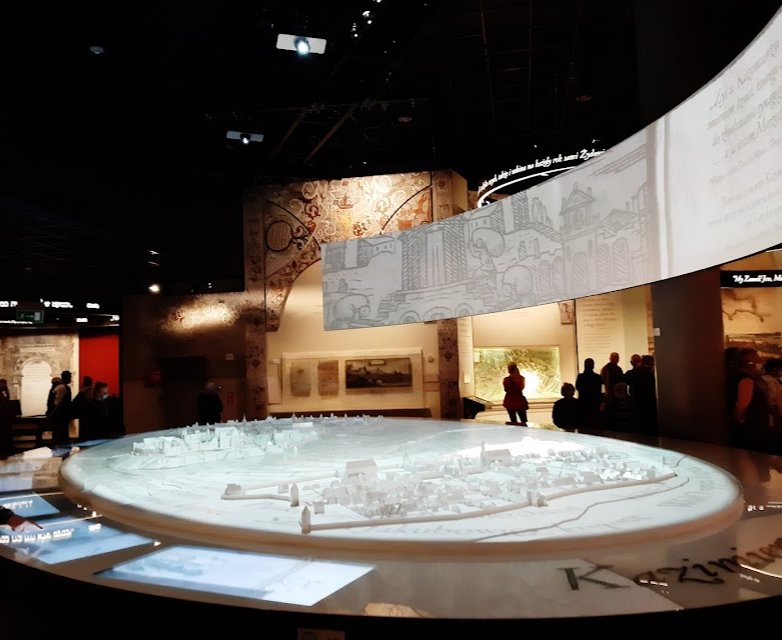
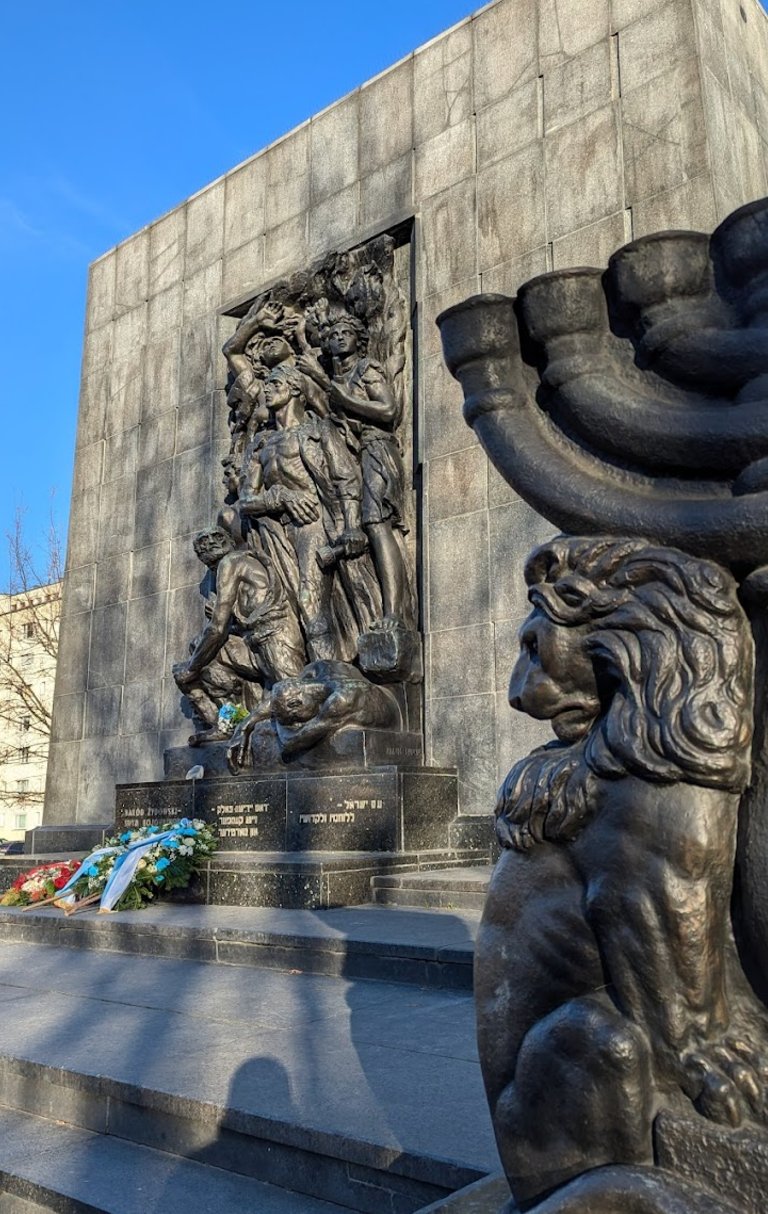
Start with the POLIN Museum, which tells the thousand-year history of Polish Jews through interactive exhibitions and unique artifacts. From the museum, walk to the Monument to the Ghetto Heroes, a monumental black stone composition erected on the site of the first battles of the 1943 Ghetto Uprising.
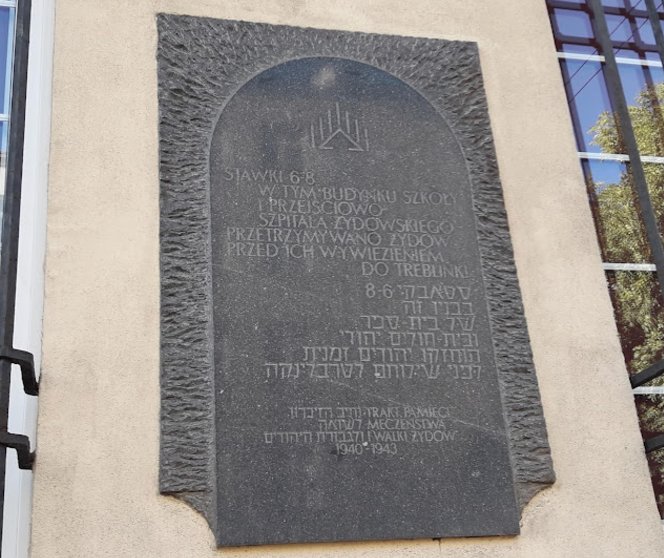
Finish the route at Umschlagplatz, the square from which Warsaw’s Jews were deported to the death camps. Today there is a memorial here in the form of a white cube bearing the names of the victims. Along the way, notice the plaques and stones in the pavement that mark the boundaries of the former ghetto.
There are also several kosher restaurants in this area where you can try traditional Jewish cuisine. On Próżna Street, prewar buildings have survived, giving an idea of what the Jewish quarter looked like before the war.
Lunch in Wola District (13:00-14:00)
Then take public transport to the Wola district. In this modern part of the city, where history is intertwined with the present, you will find plenty of interesting places for lunch. Feel free to go into any restaurant you like in Browary Warszawskie – you will not go wrong.
Wola District (14:30-16:30)
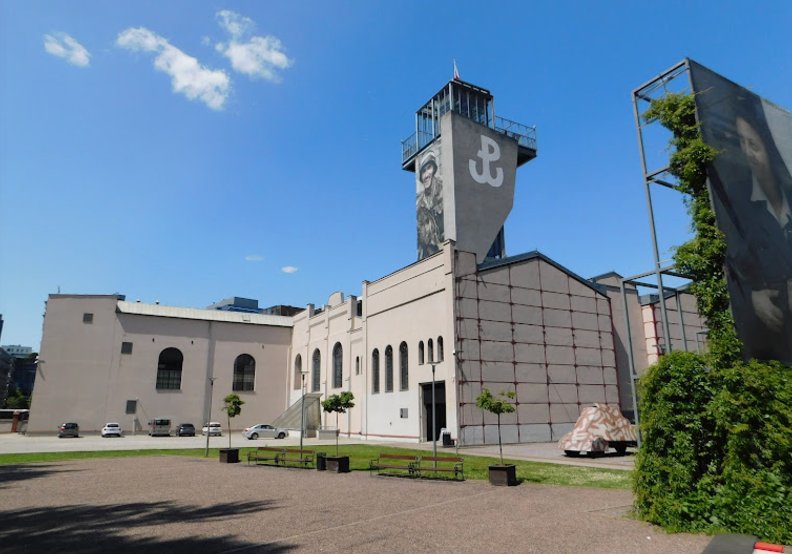
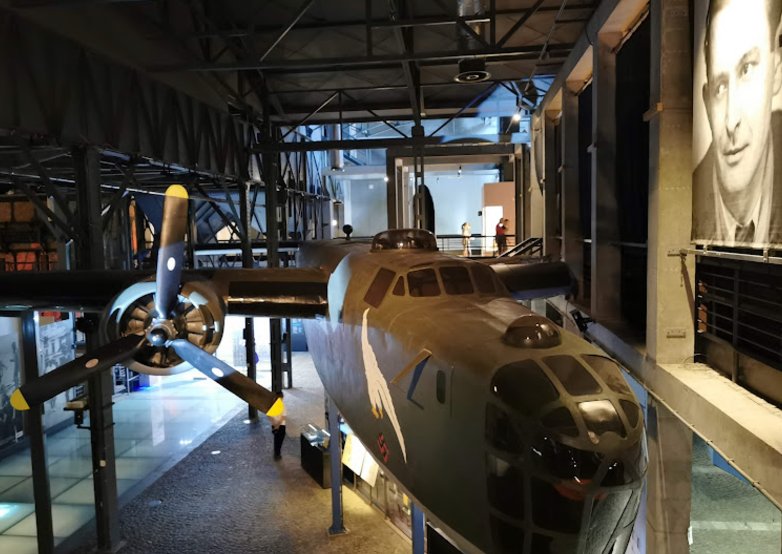
In Wola, the main stop on your route is the Warsaw Uprising Museum. It is located in a former tram power station building and tells the story of the events of 1944 through personal accounts, documents, and interactive exhibitions.
Set aside at least two hours for the visit – there are many levels, halls, and multimedia installations here. After the museum, walk to Europejski Square, where modern architecture stands side by side with historic buildings.
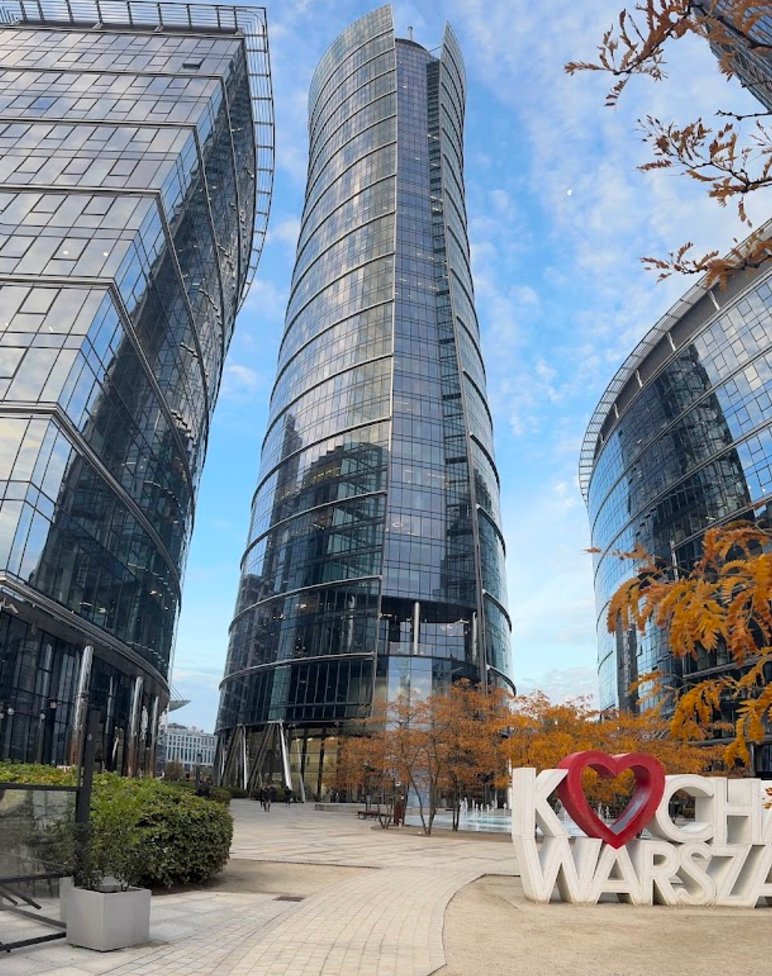
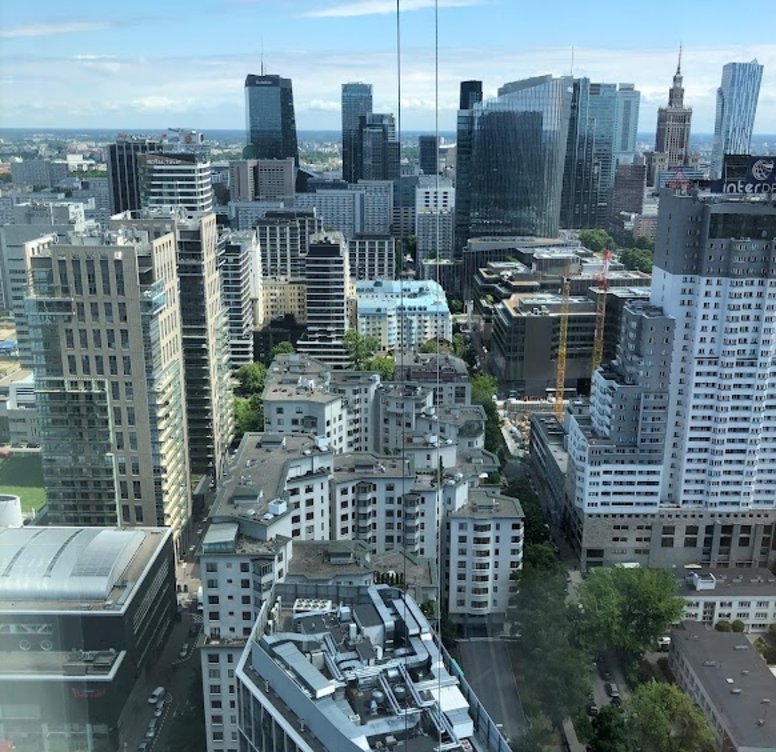
This is where you will find the impressive Warsaw Spire complex, a 220-meter skyscraper with a glass façade. There are cafés with open terraces on the square where you can rest before continuing the route.
If you are interested in street art, pay attention to the large murals on the walls of nearby buildings – they appeared as part of a project aimed at revitalizing the district. On the way to the next stop, you will see the contrast between the business center and the surviving sections of Wola’s old industrial development.
Powiśle District (17:00-20:00)
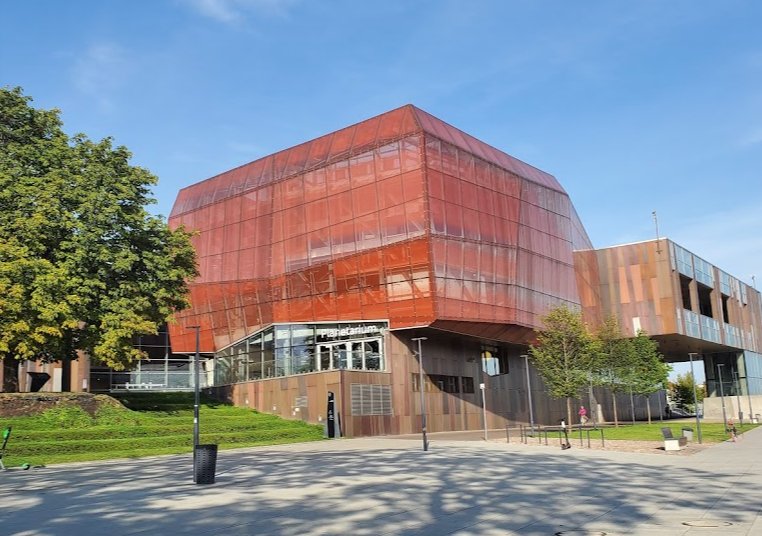
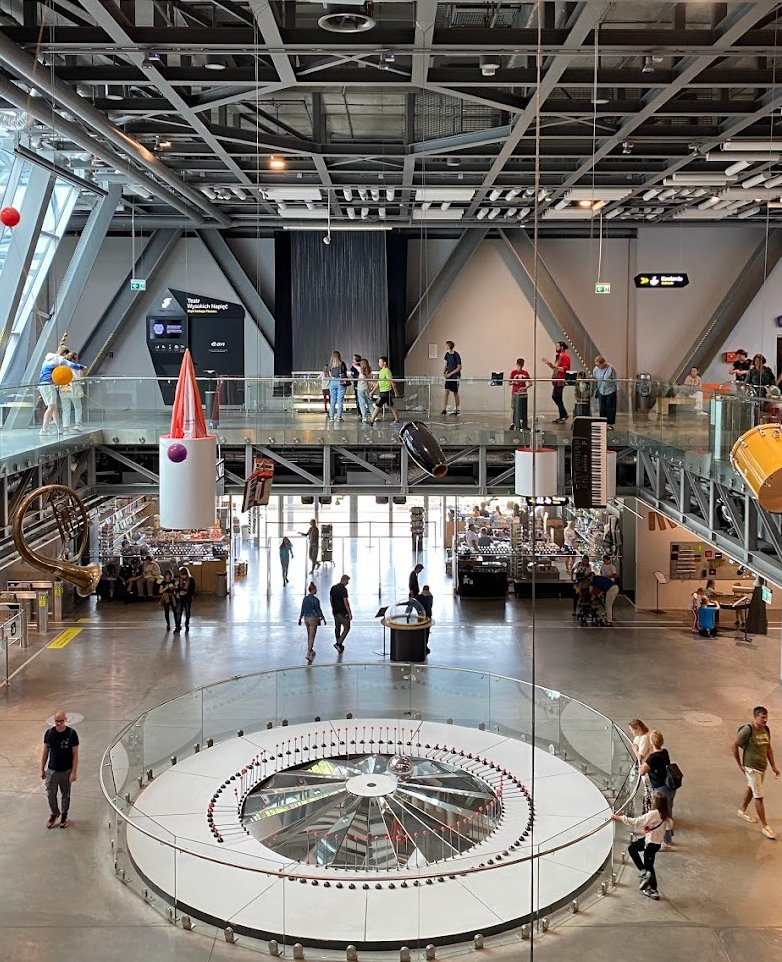
After a full day, it is time to head down to the Vistula. Start with the Copernicus Science Centre, one of the district’s main attractions, where interactive exhibits help explain the laws of physics, chemistry, and biology.
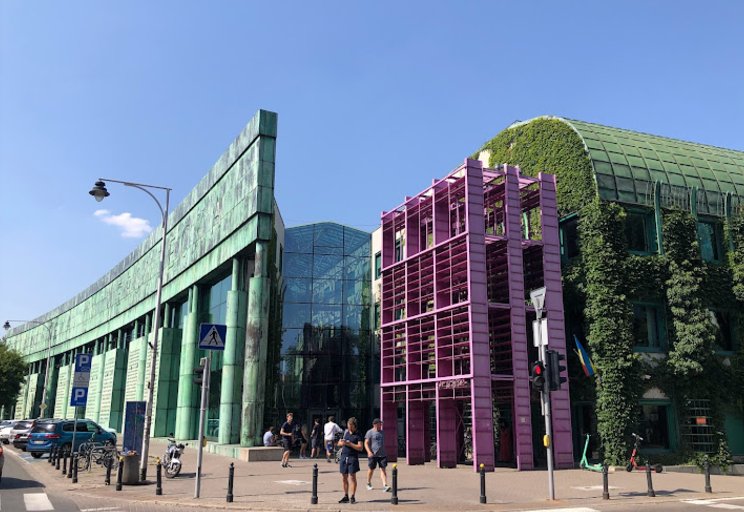
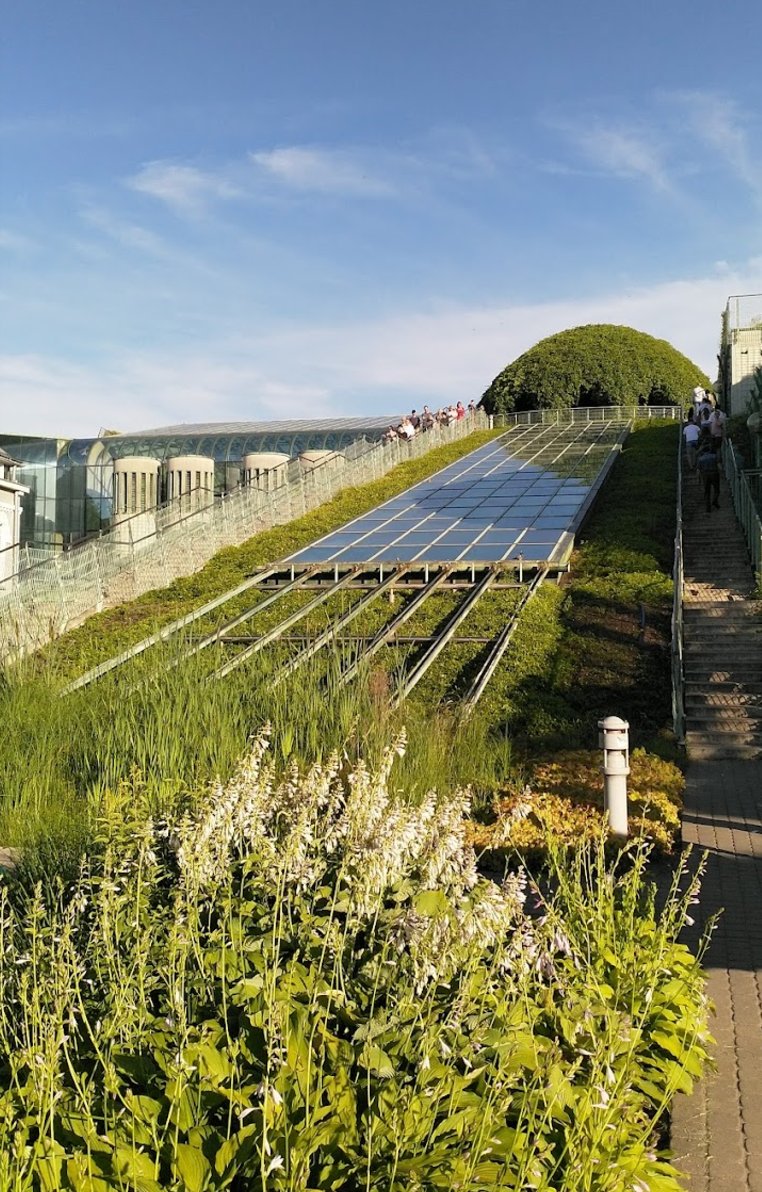
Just a few steps from the center is the Warsaw University Library – go up to its roof, where an impressive garden has been created with views of the river and the right-bank side of Warsaw.
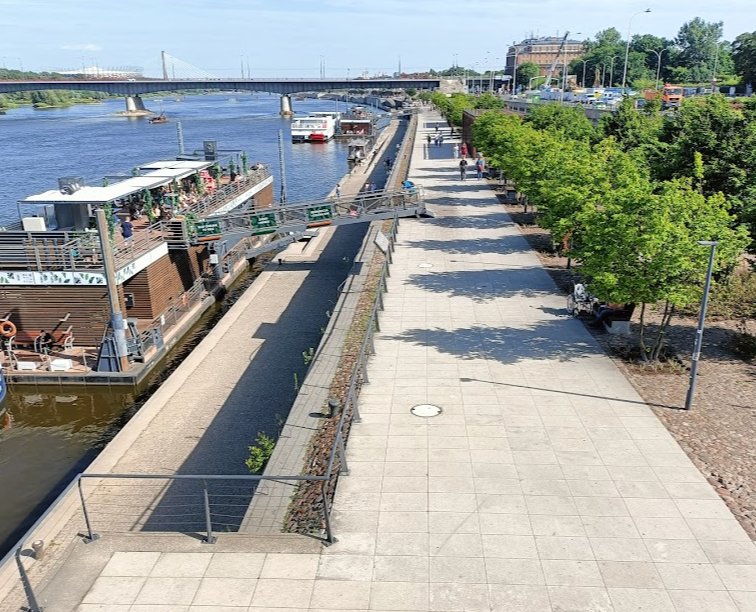
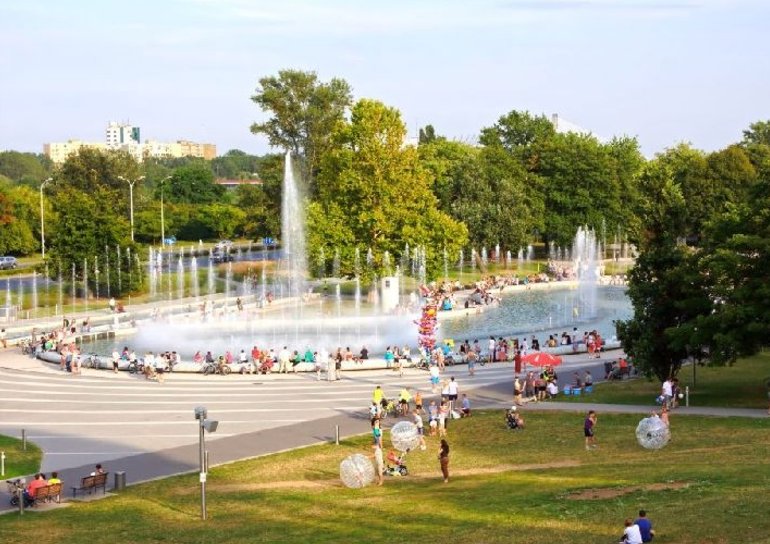
In summer, the Vistula embankment turns into a lively leisure area with beach bars and deck chairs. If you are here between May and September, do not miss the show at the Multimedia Fountain Park – on weekends, colorful performances with music and light effects are held here.
At sunset, walk along the river toward Świętokrzyski Bridge – from here, there is a great view of the illuminated Old Town.
The area is full of trendy restaurants with terraces by the water, where you can have dinner to the sound of the river. To end the evening, stop by one of the jazz clubs – the district is known for its live music.