Planning a cultural route around Warsaw but not sure where to start? The capital has dozens of excellent museums – from classical galleries with paintings by famous artists to modern interactive spaces where you can touch the exhibits.
I put together a ranking of the most interesting museums that are definitely worth visiting, even if you are only in the city for a couple of days. I also recommend getting the universal pass that covers more than 20 museums and remains valid for several days. It is both more convenient and more affordable that way.
And if you want to learn more about Warsaw, take a look at our city guides for one and two days, as well as our ranking of the most interesting tours in the capital.
1. Muzeum Narodowe
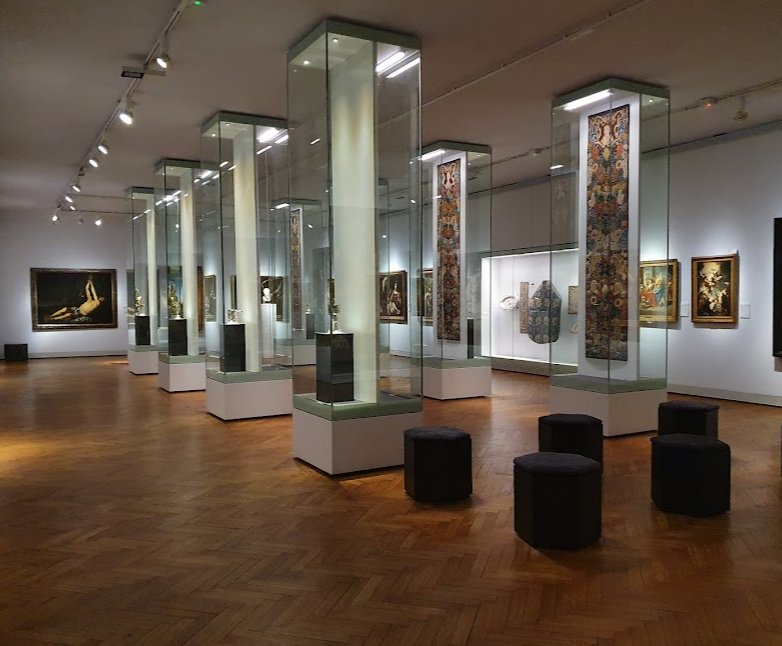
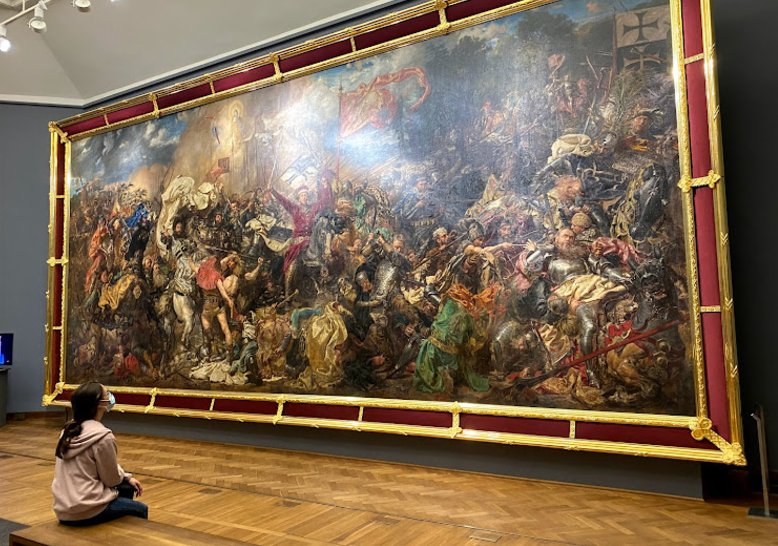
A first introduction to Warsaw’s National Museum often begins with the Faras Gallery – home to the largest collection of Nubian Christian art in Europe.
The exhibitions span five floors of a modernist building designed by Tadeusz Tołwiński in 1938. In the Egyptian gallery, you can see ancient papyri and statues, while the medieval art collection includes altarpieces and religious paintings from Central Europe.
Many visitors note how easy it is to navigate the museum – it offers a free audio guide through its website, along with one-hour and two-hour route maps. To see all 830,000 exhibits, you should allow at least 2 to 3 hours.
Twentieth-century Polish art is represented by works by Matejko, Wyspiański, Boznańska, and Kossak. The Gallery of Oriental Art features pieces from China, Japan, and India.
Admission is free on Tuesdays, although the galleries tend to be crowded on those days because of tour groups. Students under 26 pay only 1 złoty. The museum is open from Tuesday to Sunday, 10:00 AM to 6:00 PM.
In addition to the main building on Jerozolimskie Avenue, there are four branches: the Poster Museum in Wilanów, the Sculpture Museum at Królikarnia, the Interiors Museum in Otwock, and the Museum in Nieborów.
2. Muzeum Powstania Warszawskiego
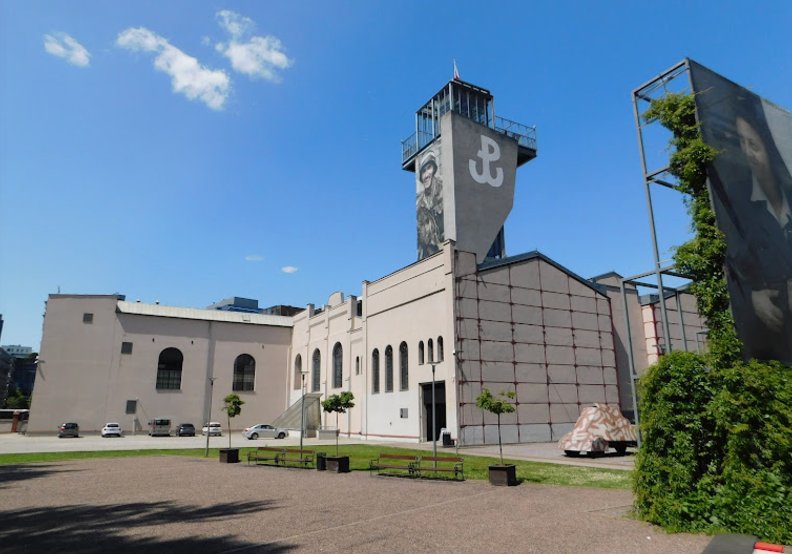
Seventy-six days of resistance against the Nazis have been turned into 3,000 square meters of history inside a former tram power station. The Warsaw Uprising Museum opened in 2004 and has already collected more than 30,000 exhibits – from weapons and military uniforms to personal letters and photographs of the insurgents.
On the ground floor, vintage 1940s printing presses produce copies of historical newspapers and leaflets from the period. Visitors walk along granite cobblestones among the ruins, immersed in the atmosphere of wartime Warsaw through sound, light, and multimedia installations.
The children’s area, called “The Little Insurgent,” lets kids explore history through play – they can try out the roles of a medic or a postman and play with replica wartime toys.
At the center of the exhibition is a steel monument running through every floor. You can hear a heartbeat coming from inside it – a symbol of the city’s life in 1944. In the elevator leading to the second floor, there is also a collection of insurgent armbands.
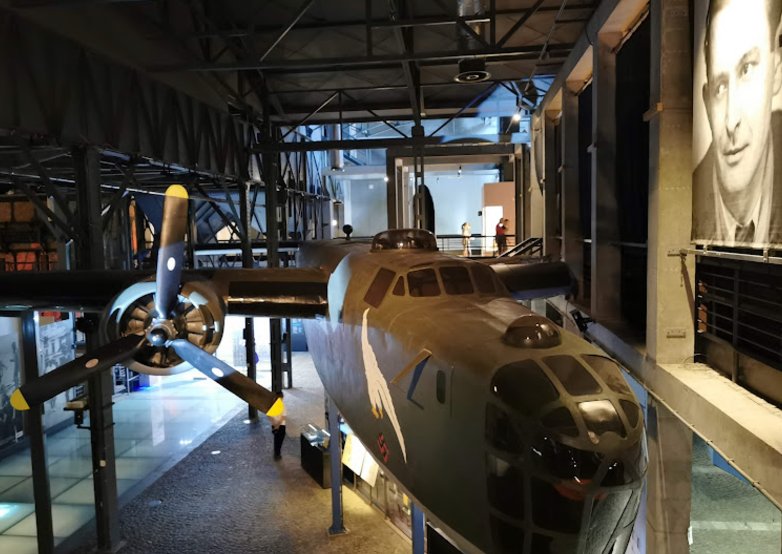
On the upper level, a sewer tunnel has been recreated with matching sound and visual effects. This floor also features a life-size replica of a Liberator B-24J aircraft and an exhibition dedicated to Allied support.
In Freedom Park, there is a Wall of Remembrance bearing the names of 11,000 fallen insurgents, as well as the 200-kilogram “Monter” bell.
The museum is open every day, and admission is free on Mondays. To properly see the exhibition, it is worth allowing at least 1.5 hours. It is best to come right at opening time to avoid the queues.
3. Centrum Nauki Kopernik
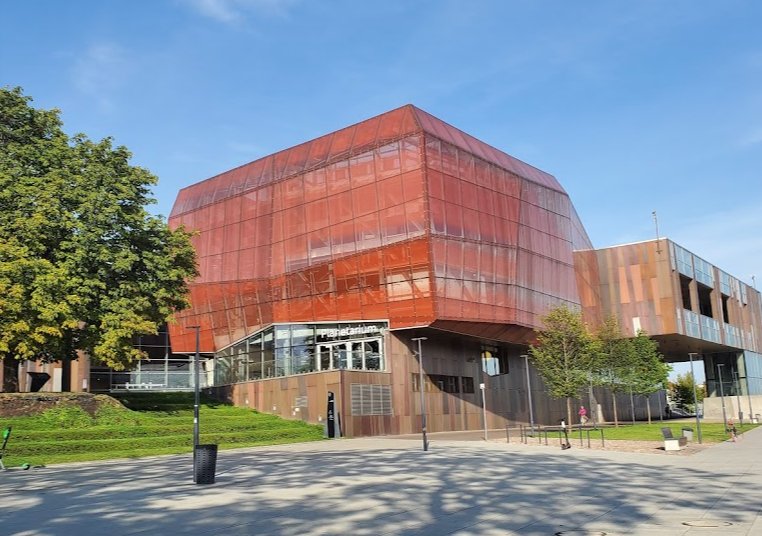
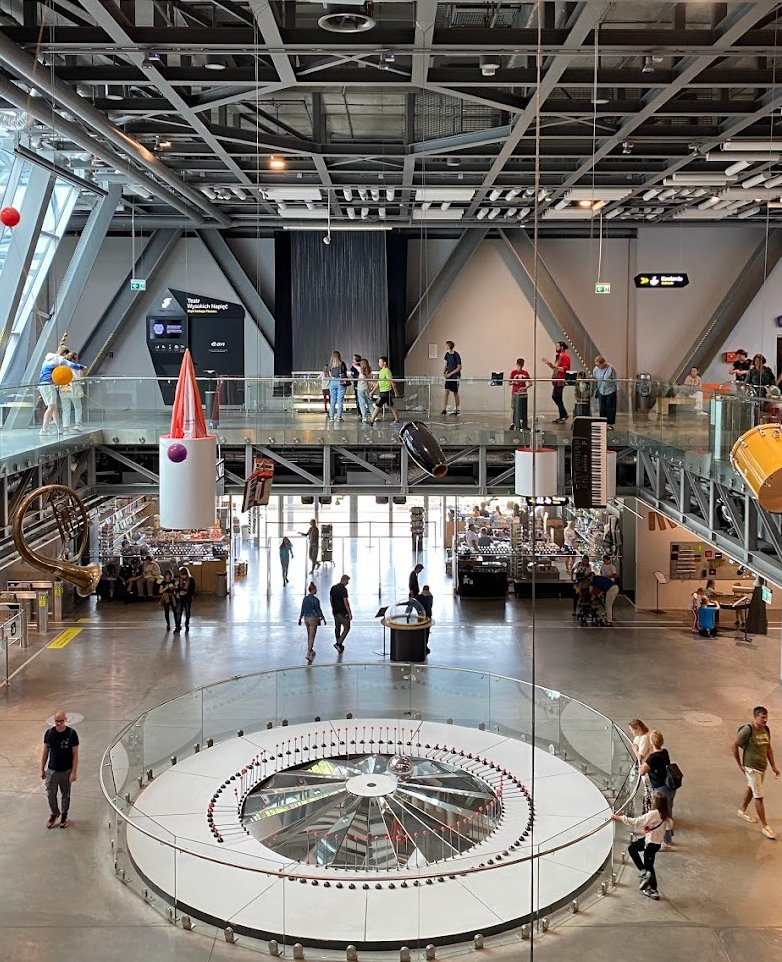
Right behind the robot guide at the entrance begins a three-storey space with more than 450 interactive exhibits.
The centre is divided into themed zones where visitors can experiment with electricity, light, sound, and other physical phenomena. The “Copernican Sky” planetarium, which has a separate entrance to the right of the main building, offers shows in Polish with English audio guides.
For a comfortable visit, it is best to plan at least 2 to 3 hours, and tickets should be booked online a few days in advance.
There is a café on the top floor with sandwiches, desserts, and coffee, where you can take a break between experiments. The first floor is better suited to children, while the upper levels are more interesting for adults. Drinking water stations and clean restrooms are available throughout the centre.
4. POLIN Muzeum Historii Żydów Polskich
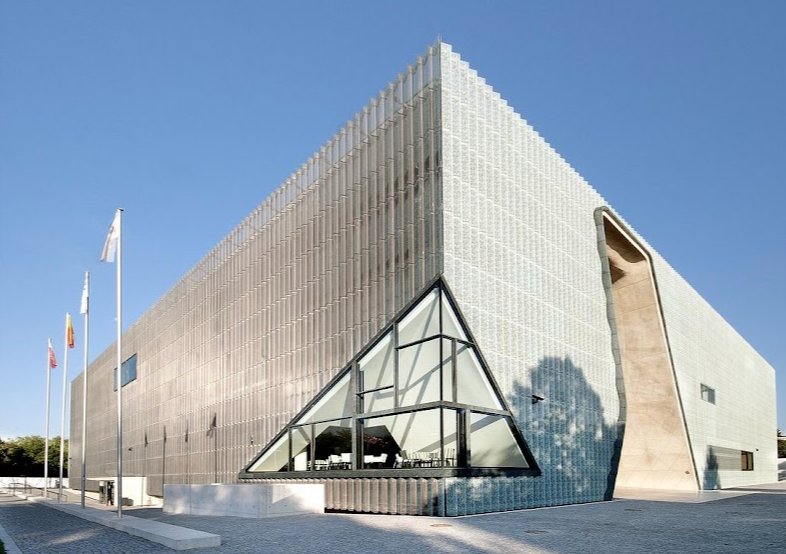
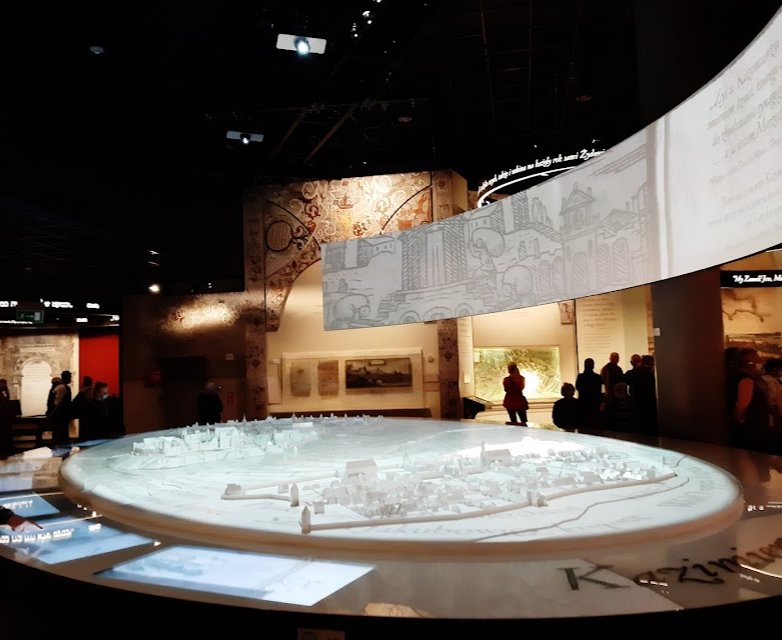
Rather than presenting history through a simple display case, Warsaw’s POLIN Museum immerses visitors in a thousand years of Jewish life in Poland through interactive exhibitions.
Across eight galleries, it recreates key moments – from the first Jewish settlements to the present day, including a detailed pre-war Jewish street and a full-scale synagogue reconstruction.
To fully experience the exhibition, it is worth setting aside 3 to 4 hours. Educational programmes and workshops are also available for families with children.
The museum’s modern building, designed by Finnish architects, has received several prestigious awards. Inside, there are spacious halls with thoughtful navigation and places to rest. The museum is fully accessible for visitors with disabilities.
Admission is free on Thursdays. In the museum shop, you can find themed books and souvenirs, and in the Warsze restaurant, you can try Jewish cuisine.
POLIN is located in Muranów, the city’s historic Jewish quarter. Nearby are the Ghetto Heroes Monument, the Jan Karski monument, and Anielewicz’s bunker – all important places of remembrance.
5. Muzeum Geologiczne
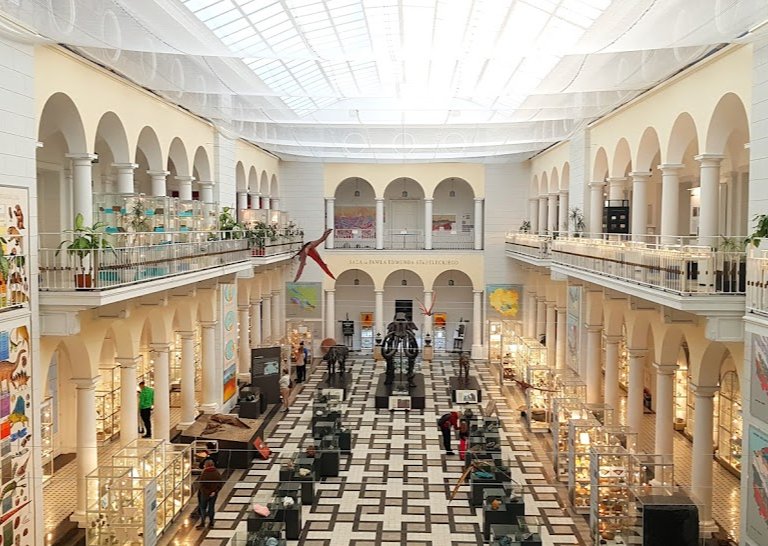
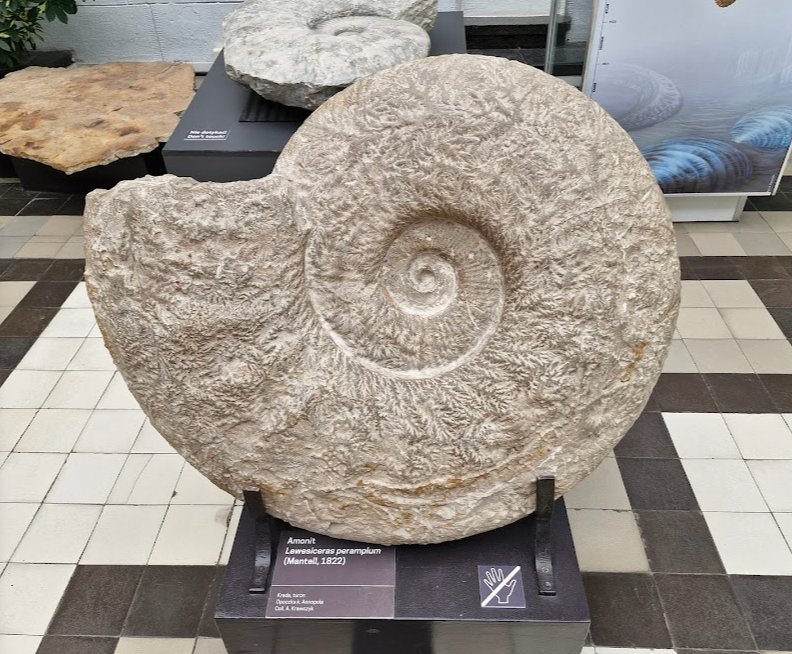
At Warsaw’s Geological Museum, the history of the planet comes to life through 4,500 exhibits collected over the museum’s 100 years of existence.
Across eight themed exhibitions, visitors can follow the geological development of Poland and see a rich collection of minerals from around the world. The main highlights are Ice Age skeletons, including mammoths, woolly rhinoceroses, and cave bears.
Particularly interesting are the fossilized dinosaur tracks from the Świętokrzyskie Mountains and a life-size reconstruction of a Polish dilophosaurus. Models of a desert and a cave have been created to help explain natural processes.
The museum is located on Rakowiecka Street and is free every day except Saturday. The exhibition is designed to appeal both to children, who are drawn to the dinosaurs, and to adults interested in geological history.
The collection also includes rock samples showing how coal is formed, as well as precious stones such as agates, rubies, and amethysts. The museum documents the full geological picture of Poland and also stores scientific materials in regional branches.
6. Zamek Królewski
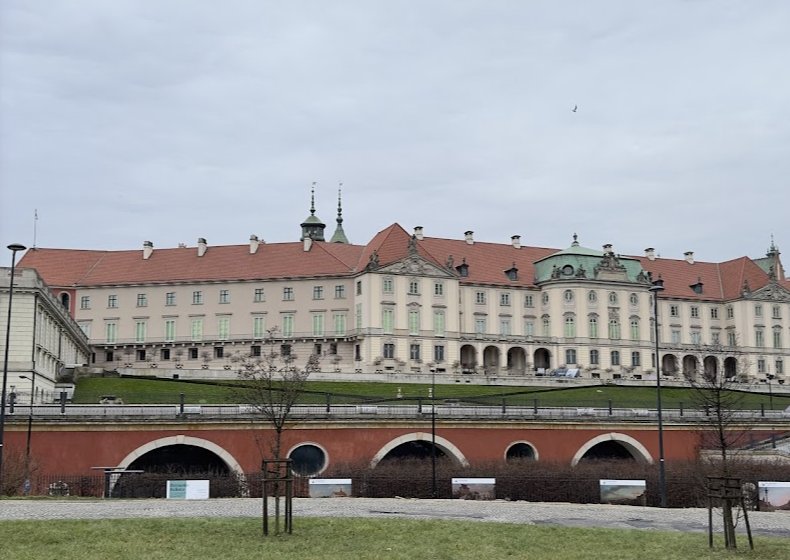
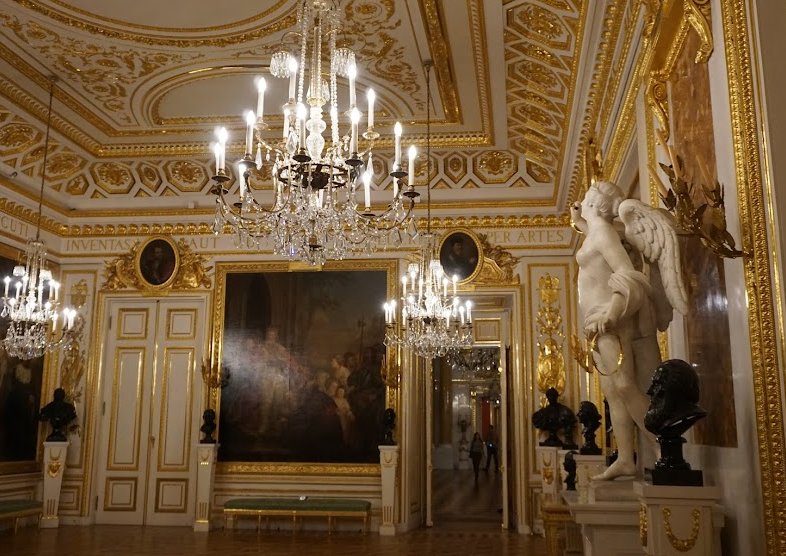
Within the walls of Warsaw’s Royal Castle, another chapter of Polish history opens up. The building was completely destroyed during World War II and later rebuilt using surviving miniatures and photographs.
Visitors are greeted with a free audio guide that makes it easy to explore the rooms at a relaxed pace, including galleries with paintings by Rembrandt and Bacciarelli. In the Royal Apartments, you can see the insignia of Stanisław August Poniatowski and the urn containing the heart of Tadeusz Kościuszko.
The Lanckoroński Gallery presents a painting collection, while the Throne Room features handcrafted majolica stoves. Between exhibitions, visitors can rest in a cosy café overlooking a small garden.
Every Wednesday, admission to the permanent exhibitions is free. The museum continues to expand its collection, so even those who visited 15 years ago will find a great deal that is new.
7. Muzeum Wojska Polskiego
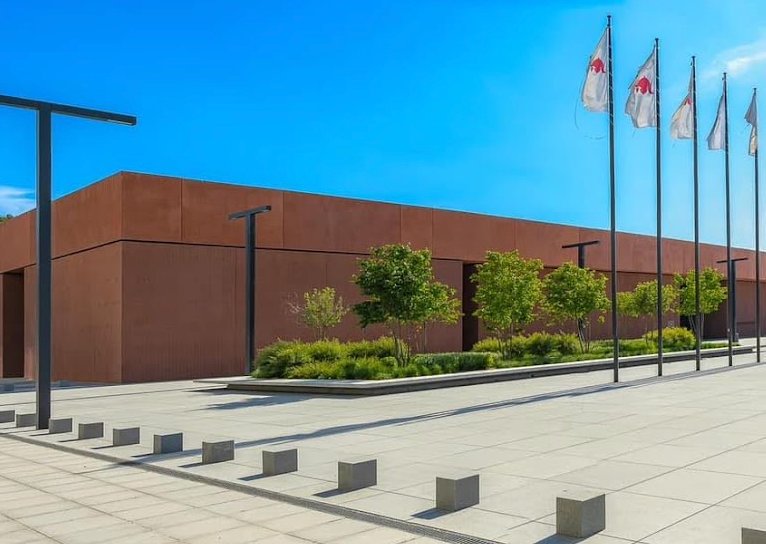
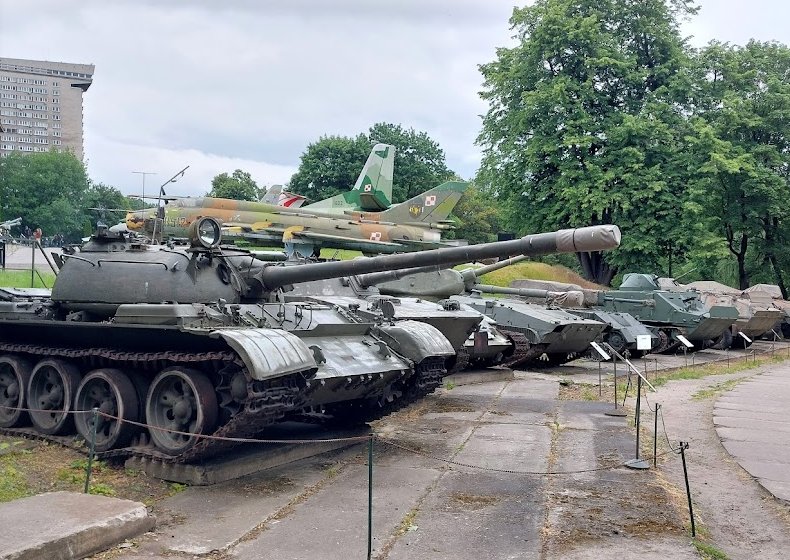
Behind the display cases of the new Museum of the Polish Army in the Warsaw Citadel lies nearly a thousand years of military history. From medieval swords to Soviet T-34 tanks, the exhibition unfolds chronologically, making it easy to follow the evolution of weaponry.
A convenient free audio guide on your phone allows you to explore each exhibit independently in around two hours. On the outdoor grounds, you can see armored vehicles without buying a ticket. Inside, special attention is drawn to the collection of historical military uniforms and weapons, displayed in a modern building with multimedia halls.
Thursdays are free admission days. Some spaces are still empty as they are being prepared for future exhibitions. The display covers all the key events in Polish military history, although some visitors feel there could be more detailed information about military commanders.
- Cytadela Warszawska – Plac Gwardii Pieszej Koronnej – Pawilon Południowy, Dymińska 13, 01-519 Warszawa
- 261 877 014
- Visit Website
8. Muzeum Domków Lalek, Gier i Zabawek
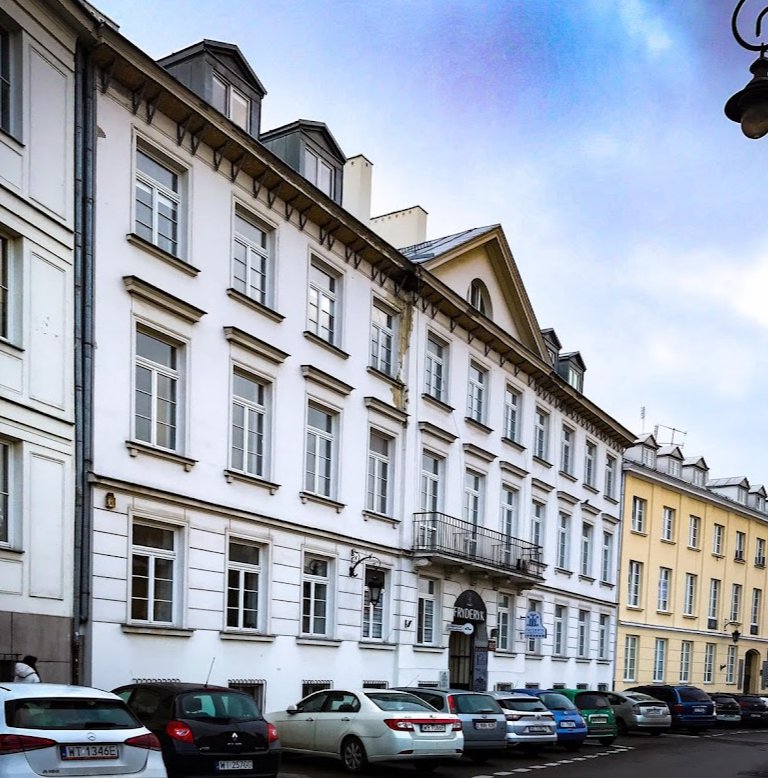
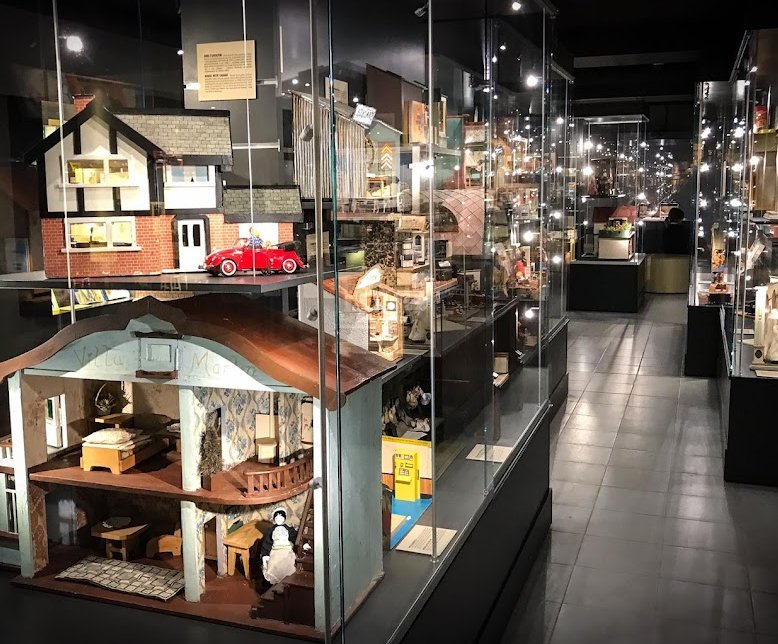
At Warsaw’s Museum of Dollhouses, Games, and Toys, the main attraction is a collection of 150 miniature houses with carefully crafted furniture and interiors from different eras.
The permanent exhibition is divided into four sections: historic dollhouses, sacred toys, dolls from around the world, and twentieth-century Polish games. Many visitors point out how unusual the collection of religious toys is, since it is rarely seen in other museums.
The museum is constantly expanding, and work is currently underway on new exhibition halls. The building has a cloakroom, restrooms, and a souvenir shop with collectible miniatures, while the main hall is accessible for wheelchair users.
9. Muzeum Warszawy
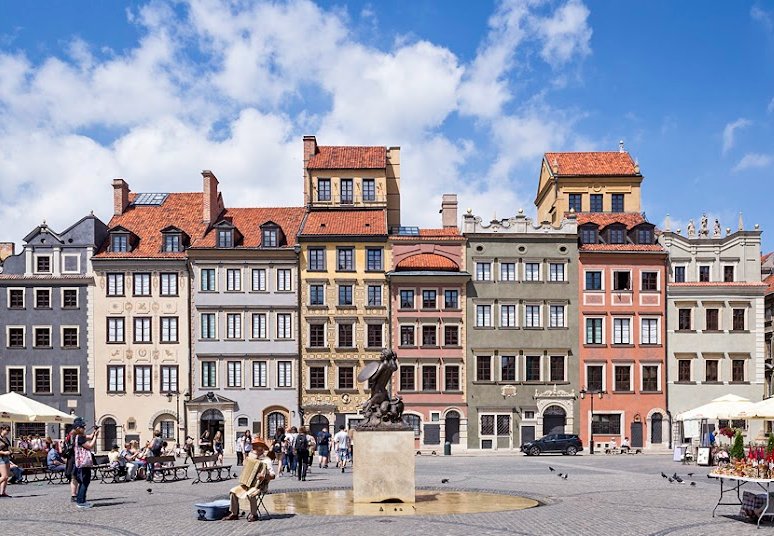
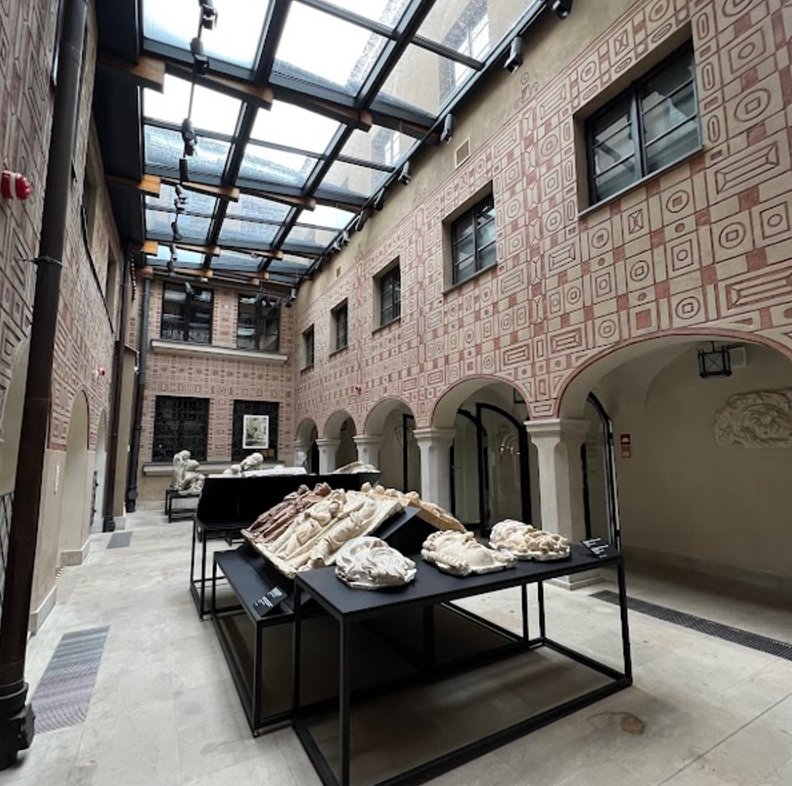
In a maze of rooms across 11 restored townhouses on the Old Town Market Square, the Museum of Warsaw presents a large-scale exhibition about the development of the Polish capital from the fourteenth century to the present day.
Over five floors, visitors can trace the city’s history through carefully selected collections – from antique clocks and medals to maps, clothing, and postcards, all accompanied by detailed descriptions in both Polish and English.
The museum also offers comfortable visitor facilities: restrooms on every floor, a café for a quick break, and on the top level, a viewing terrace overlooking the Old Town Market Square.
The museum is open from Tuesday to Sunday, and admission is free on Thursdays.
10. Muzeum Flipperów
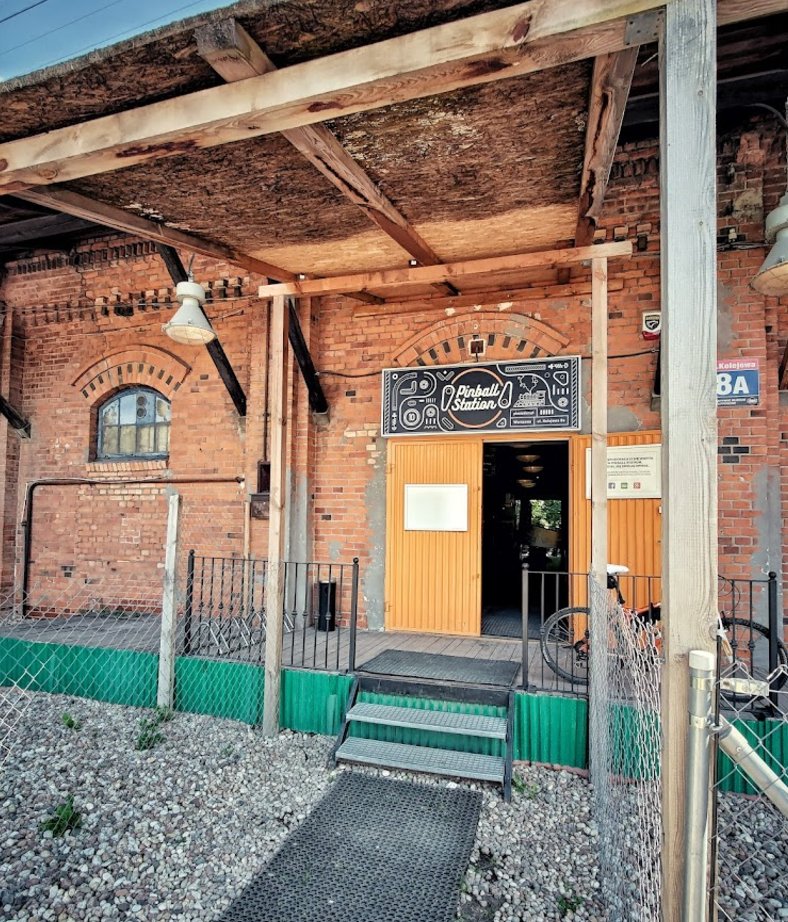
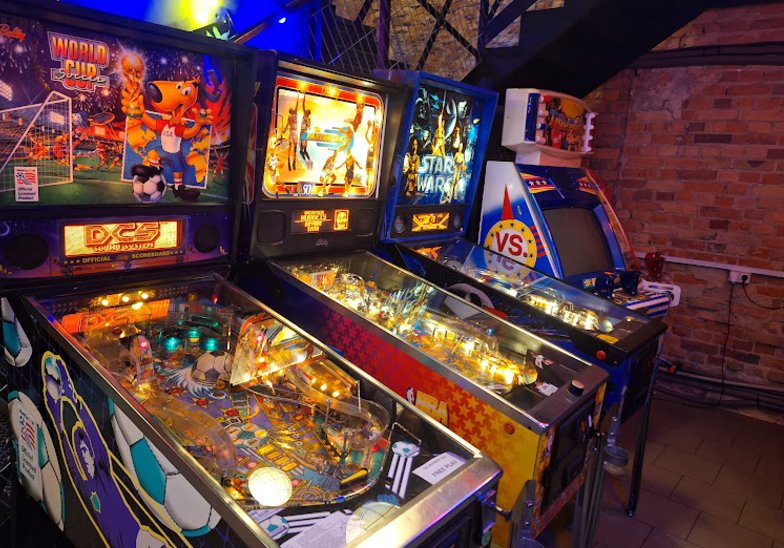
More than a hundred arcade machines at the Pinball Museum let visitors dive into the golden age of arcade gaming. The collection includes both classic pinball machines from the 1930s and popular arcade games from the 1980s, such as Mortal Kombat 4, Pac-Man, and Street Fighter.
The museum’s main feature is that all 60 working machines are available to play at no extra charge. Among them are classics like Twilight Zone, Terminator 2, Batman Forever, and The Addams Family.
Visitors note the excellent condition of the vintage machines – most of them work flawlessly thanks to ongoing restoration. At the museum, you can not only play but also learn about the history of pinball during a guided tour.
Many people spend 2 to 3 hours here, moving from one machine to the next. The ticket is valid for the whole day, so you can leave and come back.
For visitors’ convenience, there is also a bar with drinks and snacks, as well as an outdoor seating area.
11. Muzeum Katyńskie
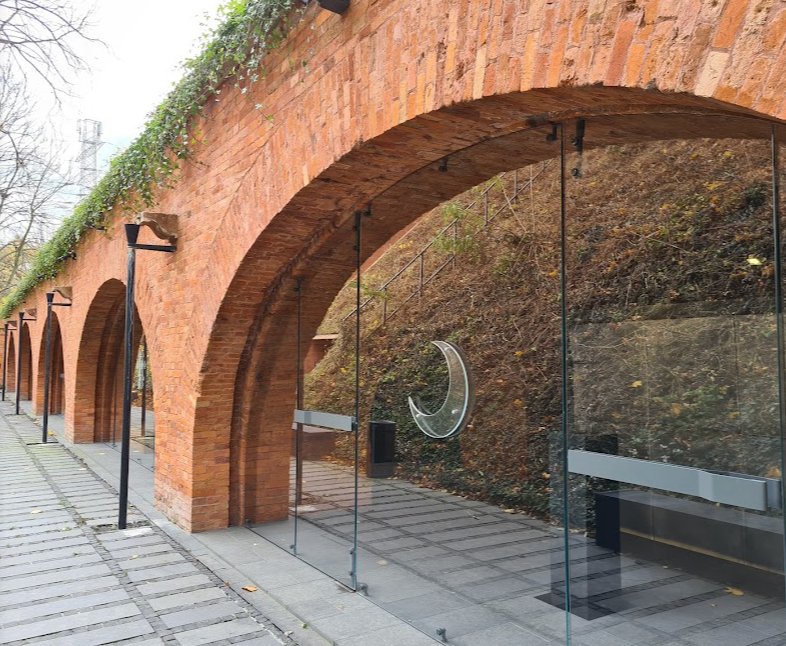
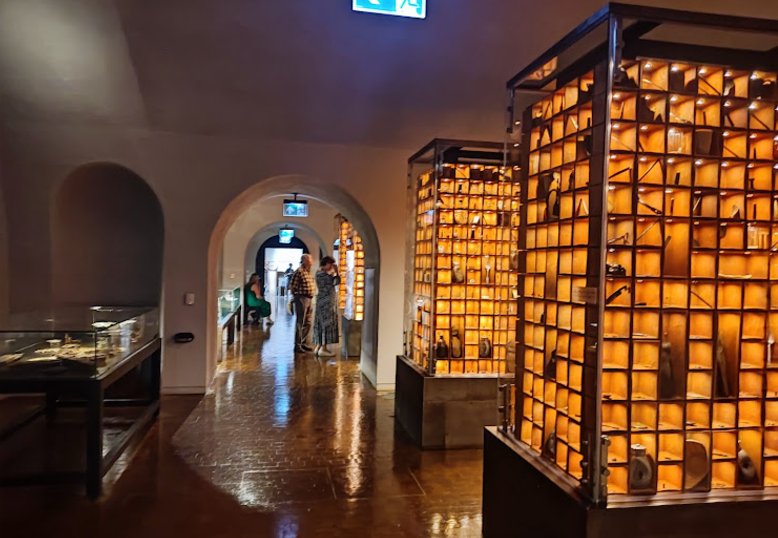
At the Katyń Museum, the exhibits tell the story of the tragic events of 1939-1940, when 22,000 Polish prisoners of war were killed in Soviet camps and prisons.
Every object here – from personal belongings to documents – serves as evidence of what happened, creating a military-themed exhibition that is unique on a global scale.
The museum takes a distinctive approach to remembrance: each victim is given individual attention through the artifacts and stories on display.
Many visitors recommend becoming familiar with the works of Józef Czapski, a witness to those events who conducted his own investigation. To fully understand the material, it is worth allowing enough time and using the audio guide.
12. Centrum Pieniądza NBP im. Sławomira S. Skrzypka
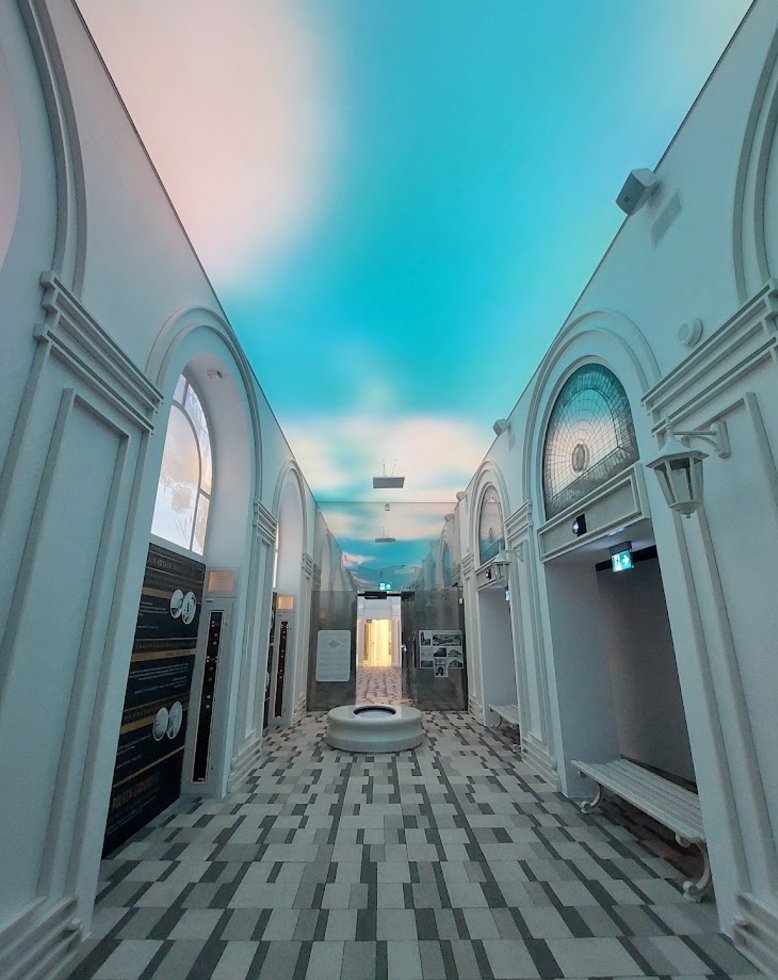
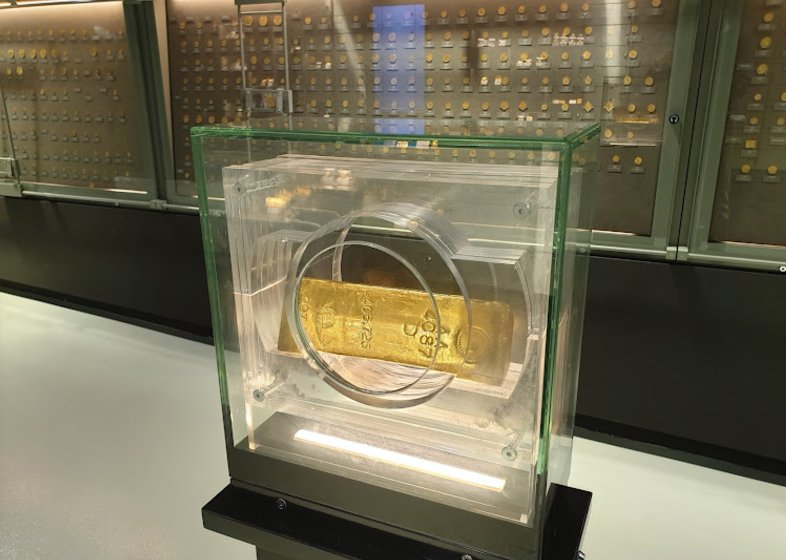
At this free museum, you are immediately drawn into the world of finance through interactive exhibits – you can lift a real gold bar and step inside a bank vault.
The museum has arranged 4,000 exhibits across 2,000 square metres, including ancient coins more than a thousand years old and a unique coin weighing 22 kilograms. Through 250 multimedia displays, visitors explore the history of money from ancient times to modern payment technology.
Children are especially engaged by making their own bank cards and taking part in financial quizzes. During a 90-minute visit, guests move through 16 themed rooms that present the evolution of means of payment.
The museum offers 26 educational programmes tailored to different age groups, from schoolchildren to adults. Despite queues of up to 30 minutes at peak times, visitors say the exhibition is well worth the wait.
13. Muzeum Farmacji
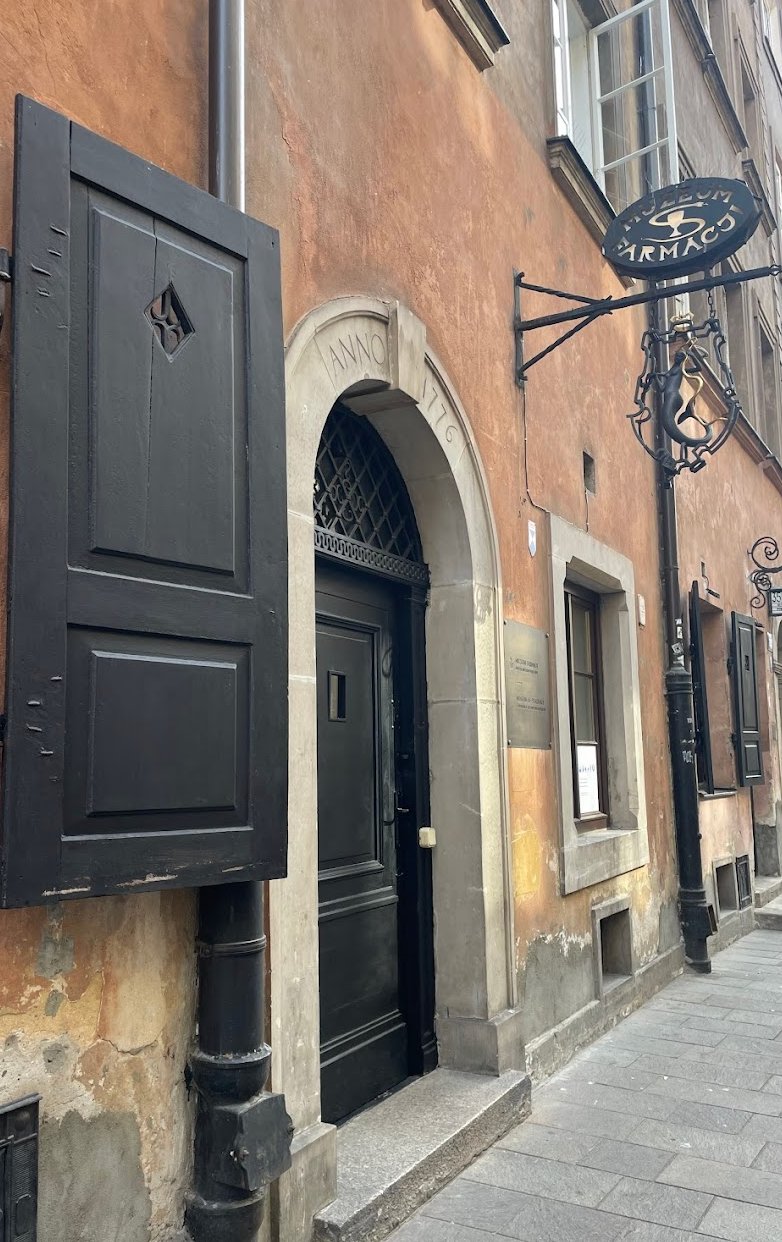
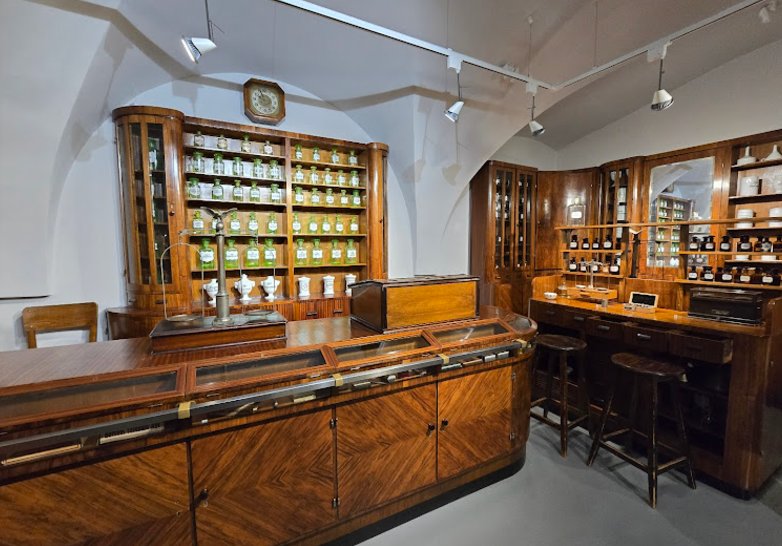
Inside the walls of a historic Warsaw pharmacy, there is a unique collection of 7,000 pharmaceutical exhibits. The Museum of Pharmacy offers an immersion into the atmosphere of the nineteenth century through a reconstructed historical pharmacy interior with original furniture, instruments, and vessels.
The exhibition places particular emphasis on the history of medicines, poisons, and narcotic substances. A separate room is devoted to traditional medicine in China and Japan, where visitors can explore ancient healing practices from the Far East.
The museum library contains 4,000 rare publications on pharmacy that are available to researchers. Most of the exhibits and books were donated by the pharmaceutical community, which has actively supported the museum for more than 30 years.
14. Narodowe Muzeum Techniki
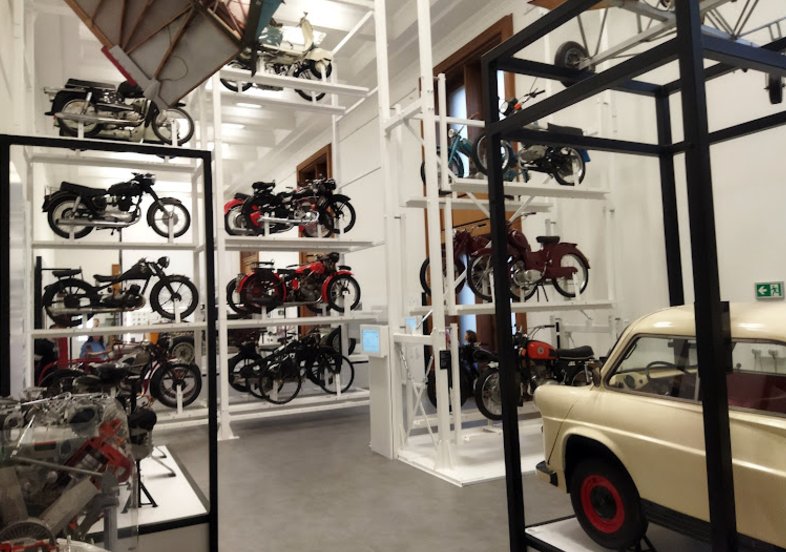
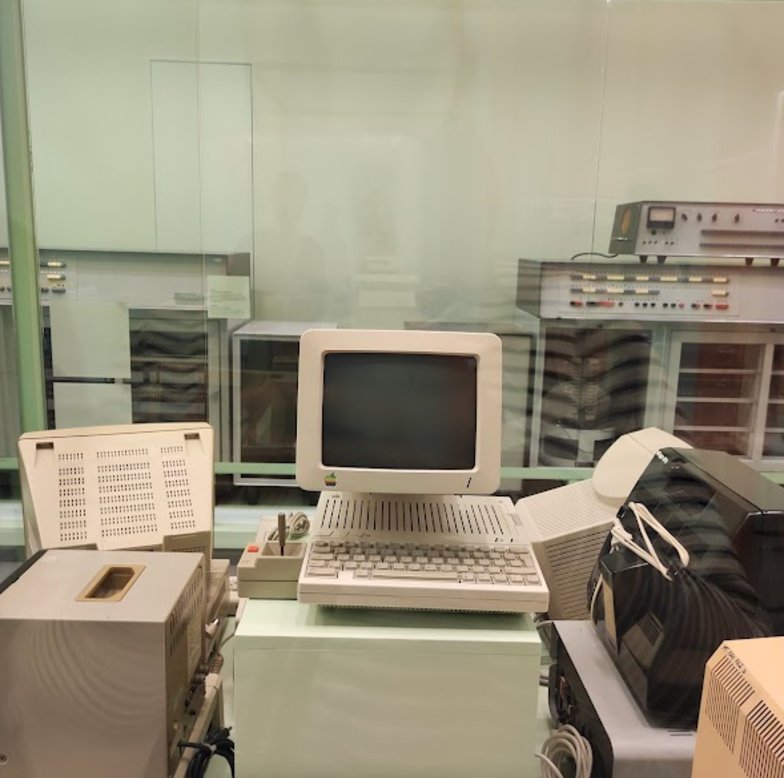
From retro computers with 140 kW of power to motorcycles lined up in multi-level rows, the National Museum of Technology tells the story of Polish engineering thought.
The main exhibition covers the development of transport, computer technology, and the country’s scientific achievements. In the computer hall, visitors can trace the evolution from simple counting devices to the earliest computers. The automotive collection is impressive in scale and includes rare examples of Polish-made vehicles.
15. Muzeum Azji i Pacyfiku
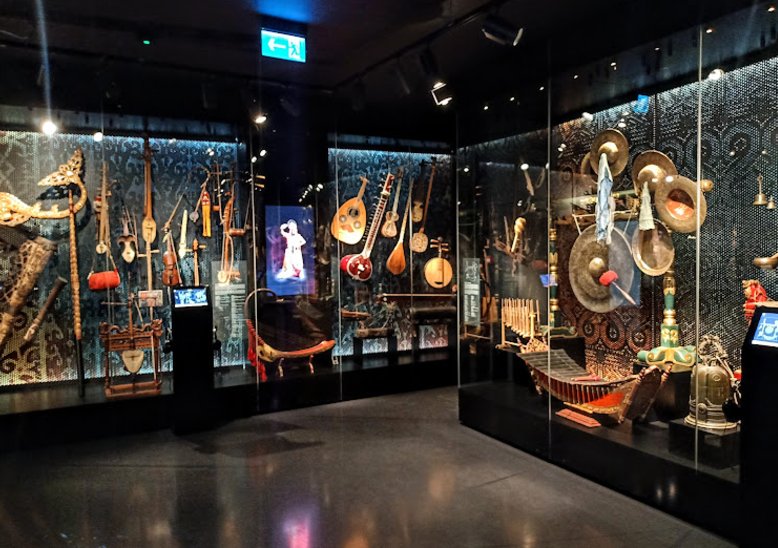
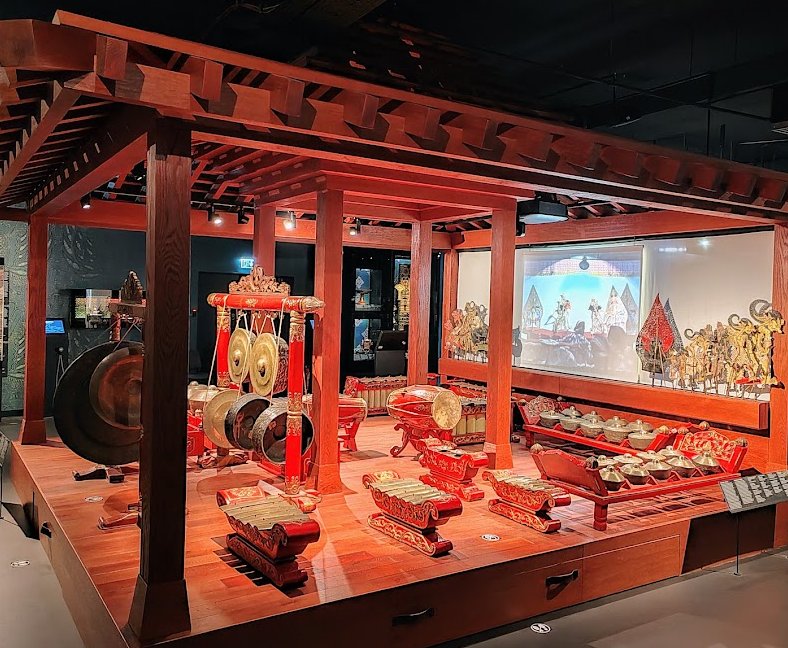
The Asia and Pacific Museum houses more than 23,000 exhibits – from traditional Indonesian weapons to Tibetan masks. The foundation of the collection was assembled by diplomat Andrzej Wawrzyniak, who gathered more than 4,000 works of art during his nine years of service in Indonesia.
The museum regularly hosts workshops where visitors can try writing on palm leaves and learn other traditional techniques under the guidance of experienced artisans.
Although the exhibition is spread across only three halls, each object has been carefully selected and is accompanied by detailed explanations from the friendly staff. The museum also has a small bookshop with themed literature and a café.
16. Muzeum Więzienia Pawiak

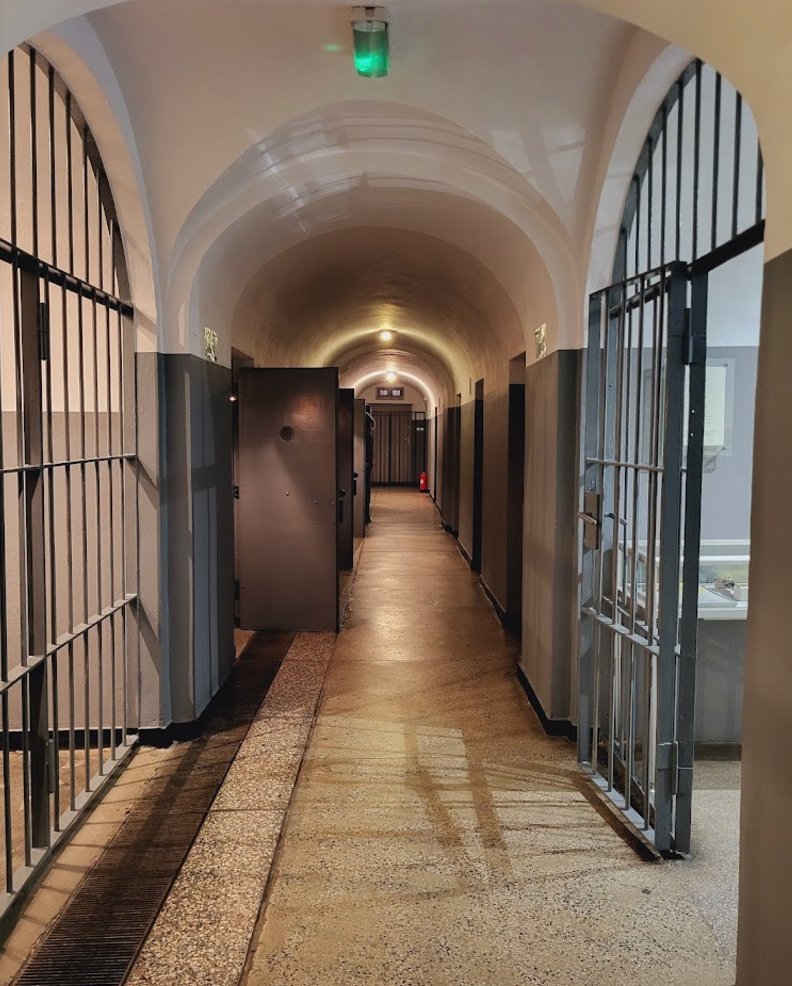
At the entrance to the museum stands a symbolic monument – a dried tree covered with metal plaques bearing the names of prisoners who died there.
The Pawiak Museum is located on the site of the former Nazi prison, where thousands of Polish prisoners were held and executed between 1939 and 1944. The exhibition includes reconstructed prison cells with original elements – bars, hinges, and locks found during the clearing of the ruins.
In the courtyard, marble plaques mark specific places: the descent to the morgue, the scales where prisoners were publicly executed, and the area where they were forced to crawl over hot ashes. The museum is small, but it contains detailed stories of prisoners and documents from that period.
17. Muzeum Życia w PRL
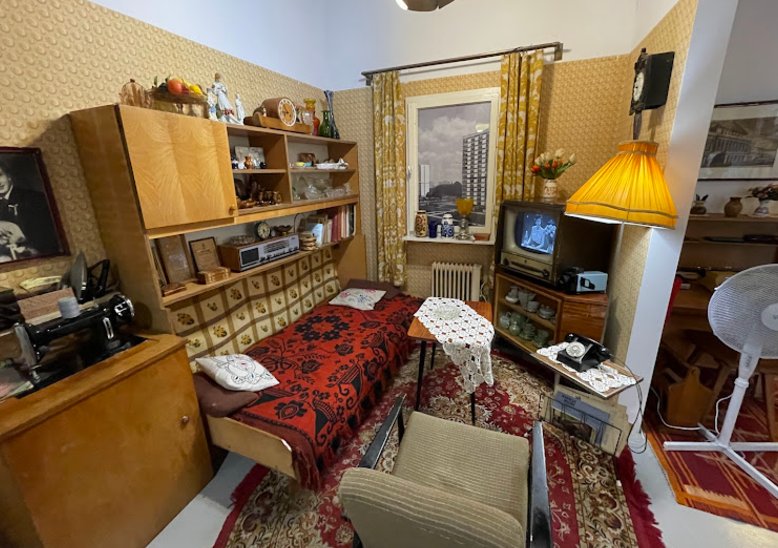
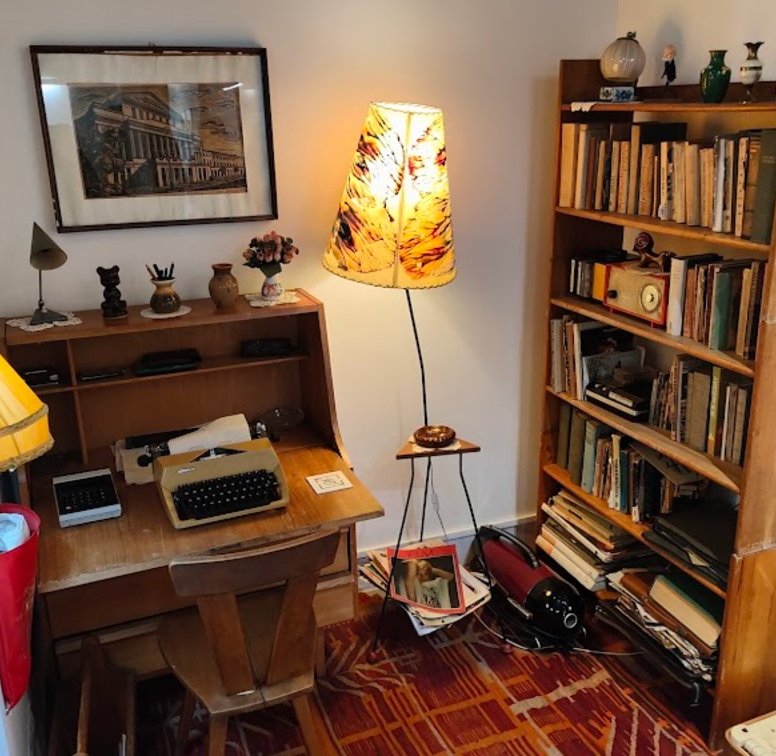
Behind the doors of the former PZO optical factory, 260 square metres are devoted to everyday life in socialist Poland. Apartment interiors have been recreated with documentary precision: from the “Frania” washing machine to the “Bambino” record player and the small Fiat car.
The museum allows visitors not only to see the objects of that era but also to understand its paradoxes – empty shops with queues on the one hand, and a thriving café culture on the other despite constant shortages. Visitors especially appreciate that this is not just a museum of display cases: you can also sit in a stylized socialist café.
The museum has a compact but highly informative collection that tells the story of both the hardships of life under socialism and the remarkable resourcefulness of the people who lived through it.
18. Państwowe Muzeum Etnograficzne
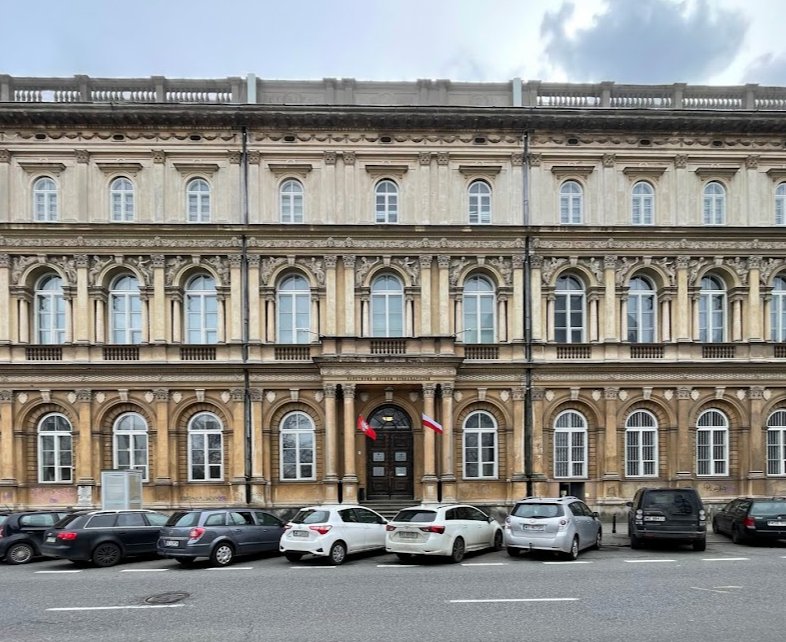
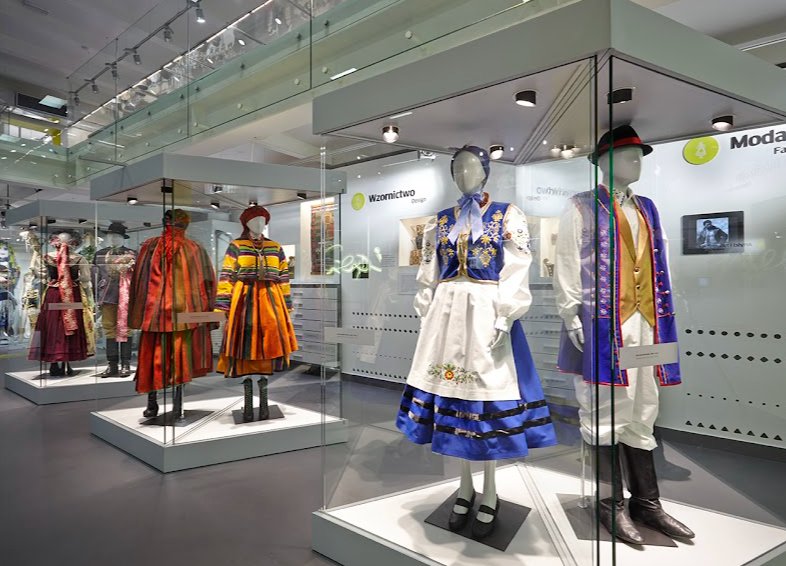
In the lobby of the Ethnographic Museum, you are greeted by the sound of a traditional Polish bagpipe – the first exhibit from a collection that has grown to thousands of objects since 1888.
Across seven floors, the museum presents not only Polish folk costumes and household items but also artifacts from around the world. The children’s section offers interactive activities where younger visitors can get acquainted with the traditions of different peoples.
Particular attention should be paid to the temporary exhibitions – for example, a recent display of works by Magdalena Shummer generated lively public interest. The museum library also contains rare ethnographic publications available to researchers.
19. Muzeum Polskiej Wódki
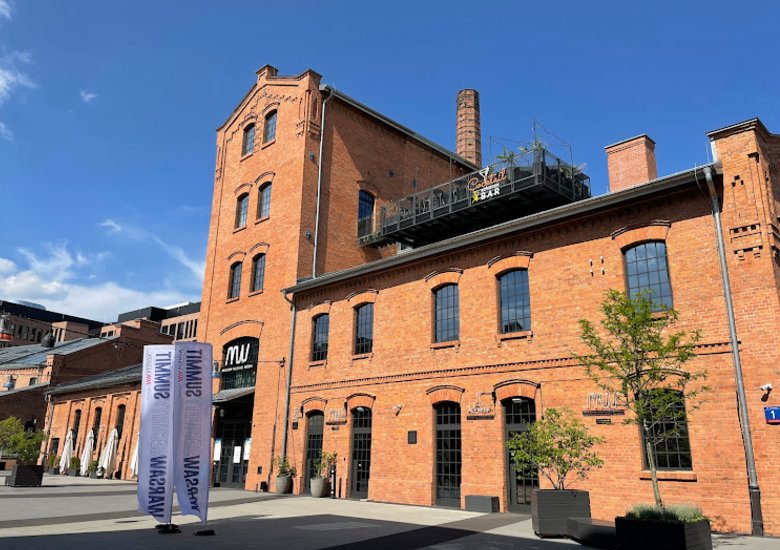
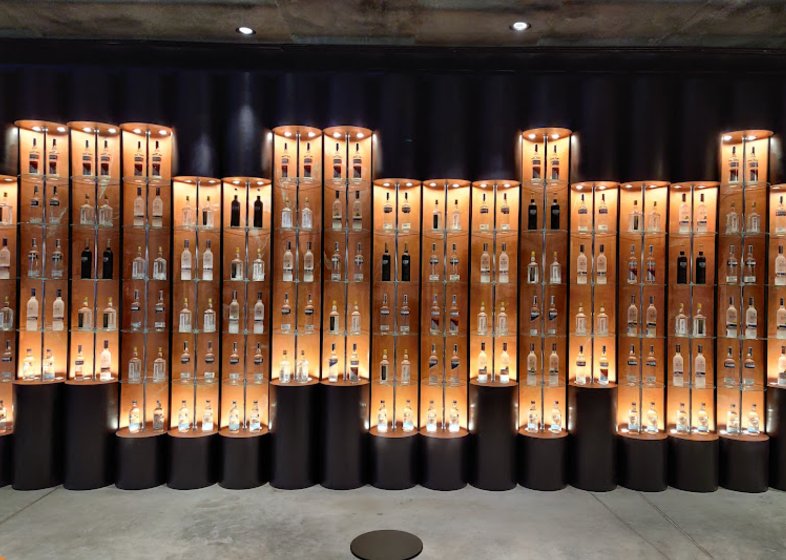
At the Polish Vodka Museum, you can learn everything about the production of this iconic drink in just an hour – from the choice of raw materials to modern distillation technology. The exhibition is housed in the former Koneser vodka factory, where Wyborowa and Luksusowa were once bottled.
Interactive displays let visitors explore every stage of vodka production on their own, while guides explain the features of different varieties in detail during tastings. The museum offers both standard tours with tastings of 3 to 4 kinds of vodka and expanded programmes that include dinner at the restaurant.
The exhibition was created with the involvement of the well-known designer Andrzej Pągowski and the architectural firm Nizio Design International.