Planning a trip to Warsaw, it is easy to get overwhelmed by the hundreds of offers from tour companies and private guides. We have gathered and tested the most interesting tours in the Polish capital – from classic walks through the Old Town to unusual cooking workshops and memorable river cruises.
Whether you are interested in military history, the city’s Jewish heritage, or Polish cuisine, this guide will help you choose the exact tour that will make your trip unforgettable.
And if you want to explore Warsaw on your own, I recommend choosing a universal pass that gives access to more than 20 museums.
1. Chopin Concerts at Fryderyk Concert Hall
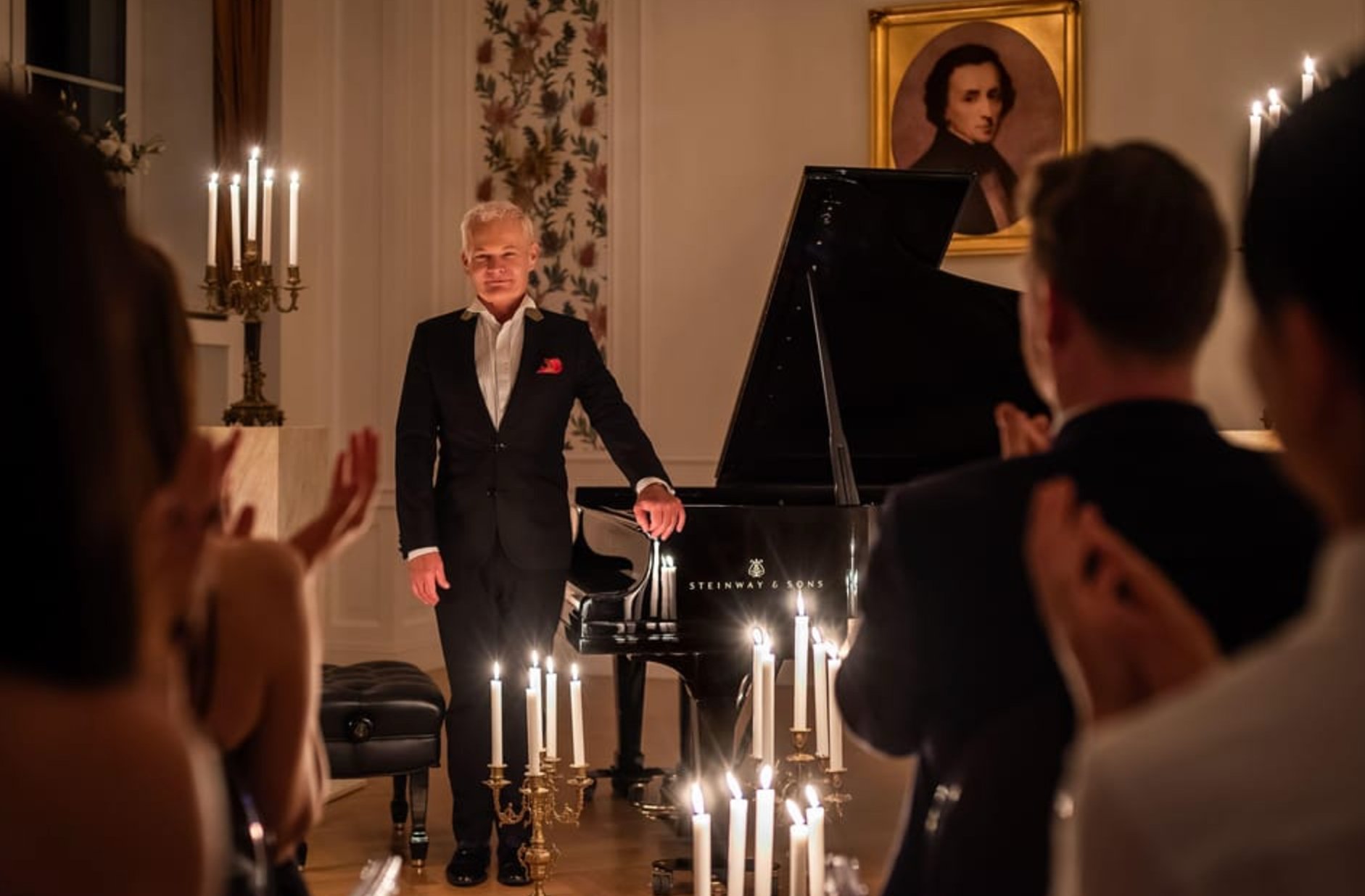
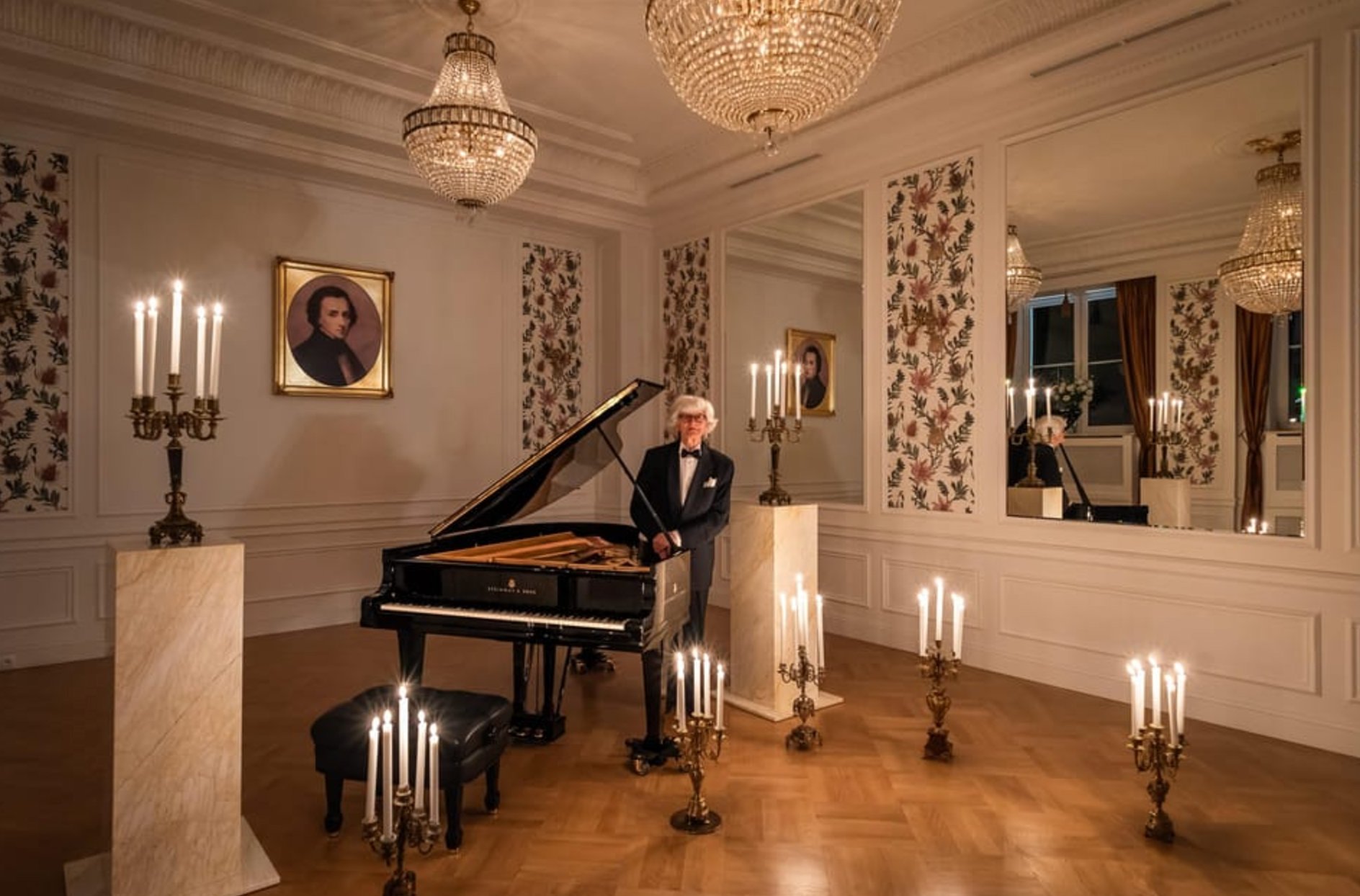
Hidden in the very heart of Warsaw is the intimate Fryderyk concert hall, where Chopin’s music is performed every evening. Over the course of an hour, winners of international competitions play the composer’s most iconic works on a Steinway grand piano.
The program includes pieces such as the Revolutionary Etude and the Heroic Polonaise. During the intermission, guests can enjoy a glass of sparkling wine or orange juice. After the concert, there is an opportunity to speak with the performer.
The interior of the hall reflects Chopin’s era – plaster moldings and crystal chandeliers create a 19th-century atmosphere. The intimate setting allows listeners to fully immerse themselves in the music. Visitors note the high level of the pianists, who perform some of the most difficult pieces entirely from memory.
The hall is fully accessible for guests using wheelchairs. At the entrance, visitors are welcomed by a host who speaks English and Polish.
Concerts take place daily, and the exact schedule can be confirmed when booking. Duration – 1 hour.
- Overall rating: 4,7 / 5
- Visit Website
2. Old Town Highlights Walking Tour
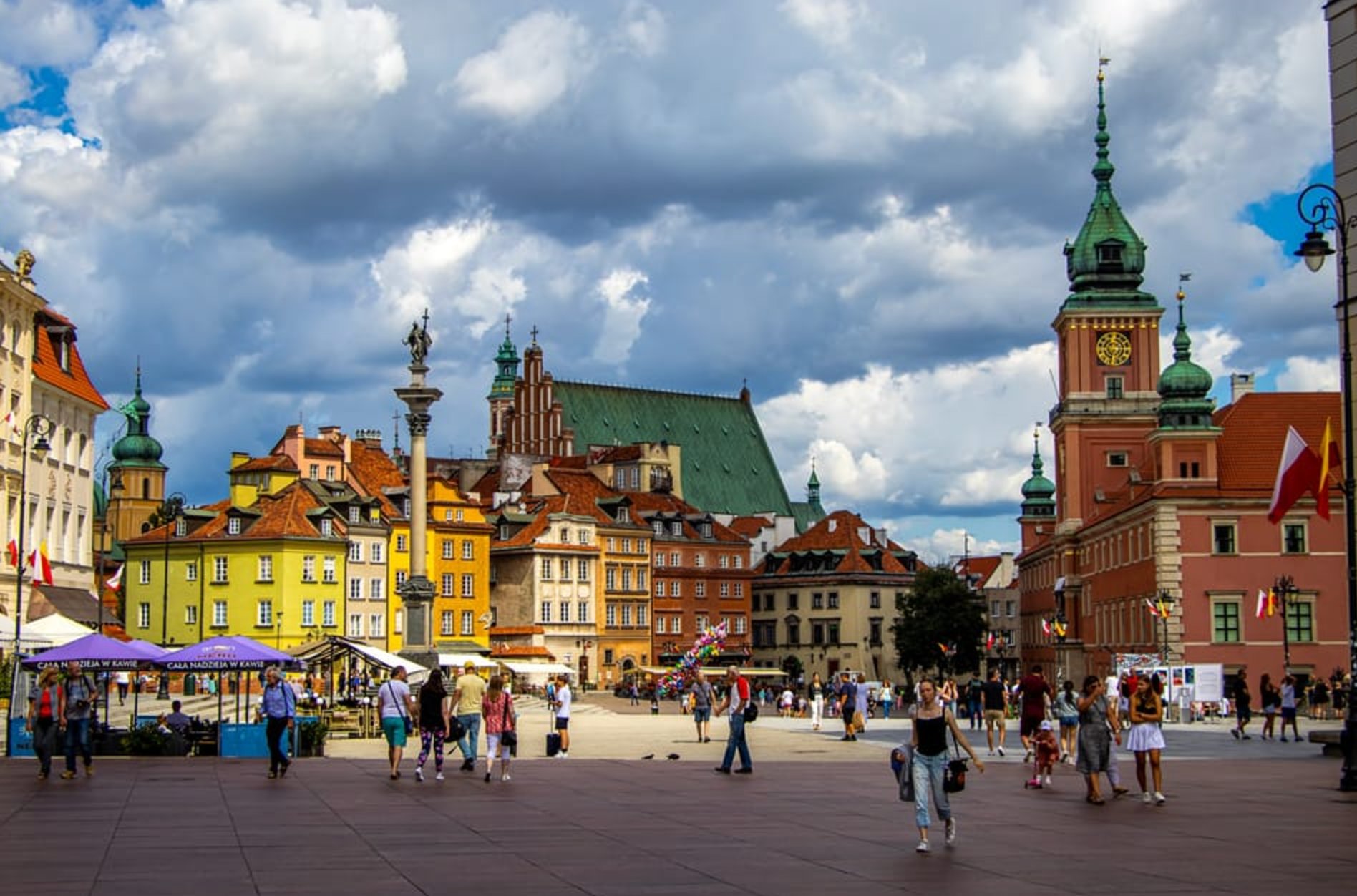
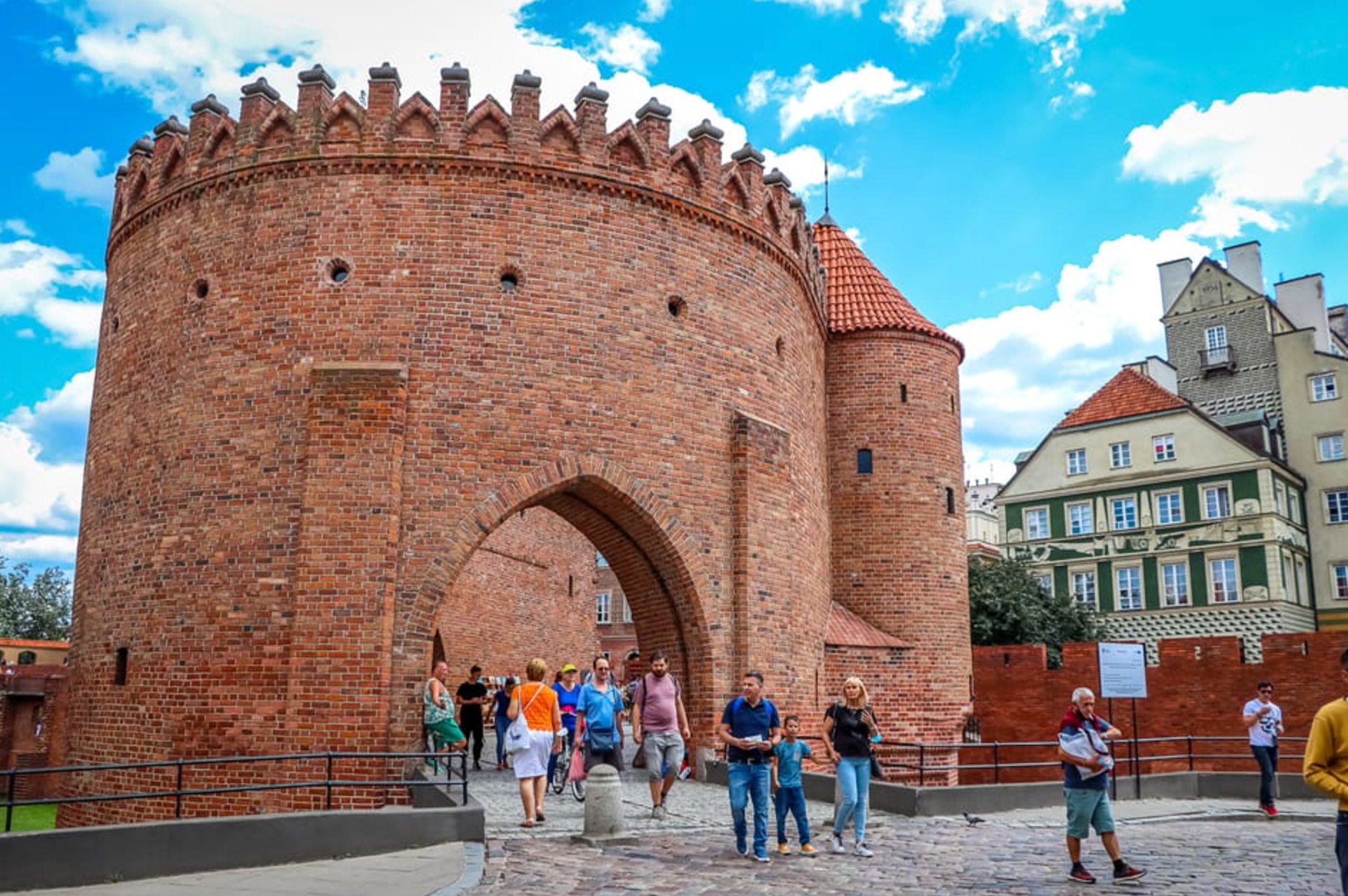
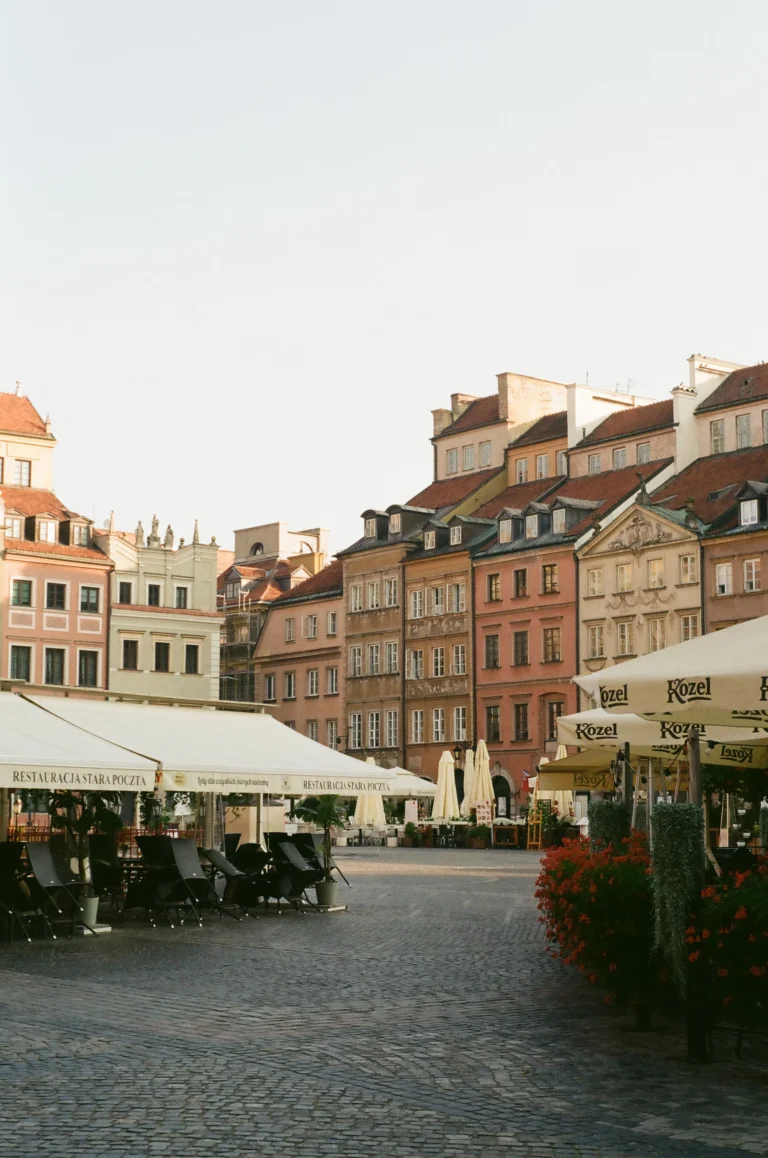
This two-hour walk begins at the Copernicus Monument on Krakowskie Przedmieście. The route covers the main landmarks of the historic center, including the Royal Route, the Old Town (a UNESCO site), and the Royal Castle.
Guides talk in detail about the reconstruction of Warsaw after World War II. Special attention is given to the two largest uprisings against the Nazi regime. As tourists note, even in cold and windy weather, the guides know how to present the historical material in an engaging way.
Along the Royal Route, participants learn about famous Varsovians – Chopin and Marie Curie both lived and worked here. The route passes the Presidential Palace and the buildings of the University of Warsaw.
For a comfortable experience, you will need comfortable shoes. The tour runs in all weather conditions and lasts 2.5 hours. The meeting point is easy to find – the guide waits by the Copernicus Monument with a yellow umbrella. The route is accessible for people using wheelchairs.
- Overall rating: 4,7 / 5
- Visit Website
3. 4-Hour Polish Food Tour


You will be amazed by the amount of food on this tour – the ten tasting dishes make up a full lunch with dessert. Guide Michael warns guests right away: “Have a light breakfast and skip lunch – otherwise you will not be able to try everything.”
The route includes 4 to 6 places in central Warsaw that serve not only the famous pierogi dumplings, but also dishes that are far less known to tourists. At each stop, the guide shares stories connected with Polish gastronomy – why Poles are critical of modern bread, what was special about food in the 1970s, and why you should be cautious if someone invites you “for a cup of coffee.”
Between the stops, the group (a maximum of 8 people) walks on foot – which helps “make room” for the next portion. Comfortable shoes really are necessary. The route includes tastings of local cheeses, traditional cabbage rolls, schnitzel, and a dessert that, as it turns out, is connected with the history of one of Warsaw’s bridges.
The price includes a tasting of Polish vodka, although a non-alcoholic option is also available. At the end, the guides hand out a list of recommended places with descriptions of the dishes.
Important: the tour is not suitable for vegetarians, since Polish cuisine is largely built around pork. Allergies should be reported in advance. The group meets by the monument at Charles de Gaulle Square – the one with the palm tree in the middle.
- Overall rating: 4,8 / 5
- Visit Website
4. Polish Vodka Museum Tour with Tasting
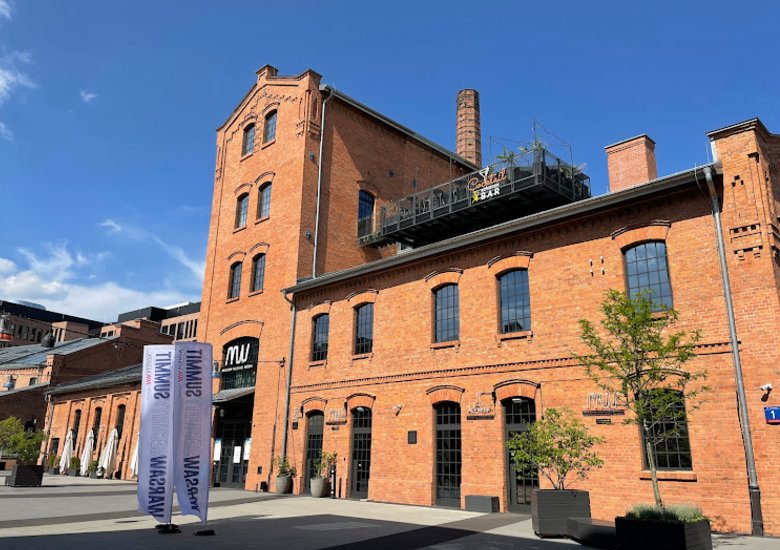
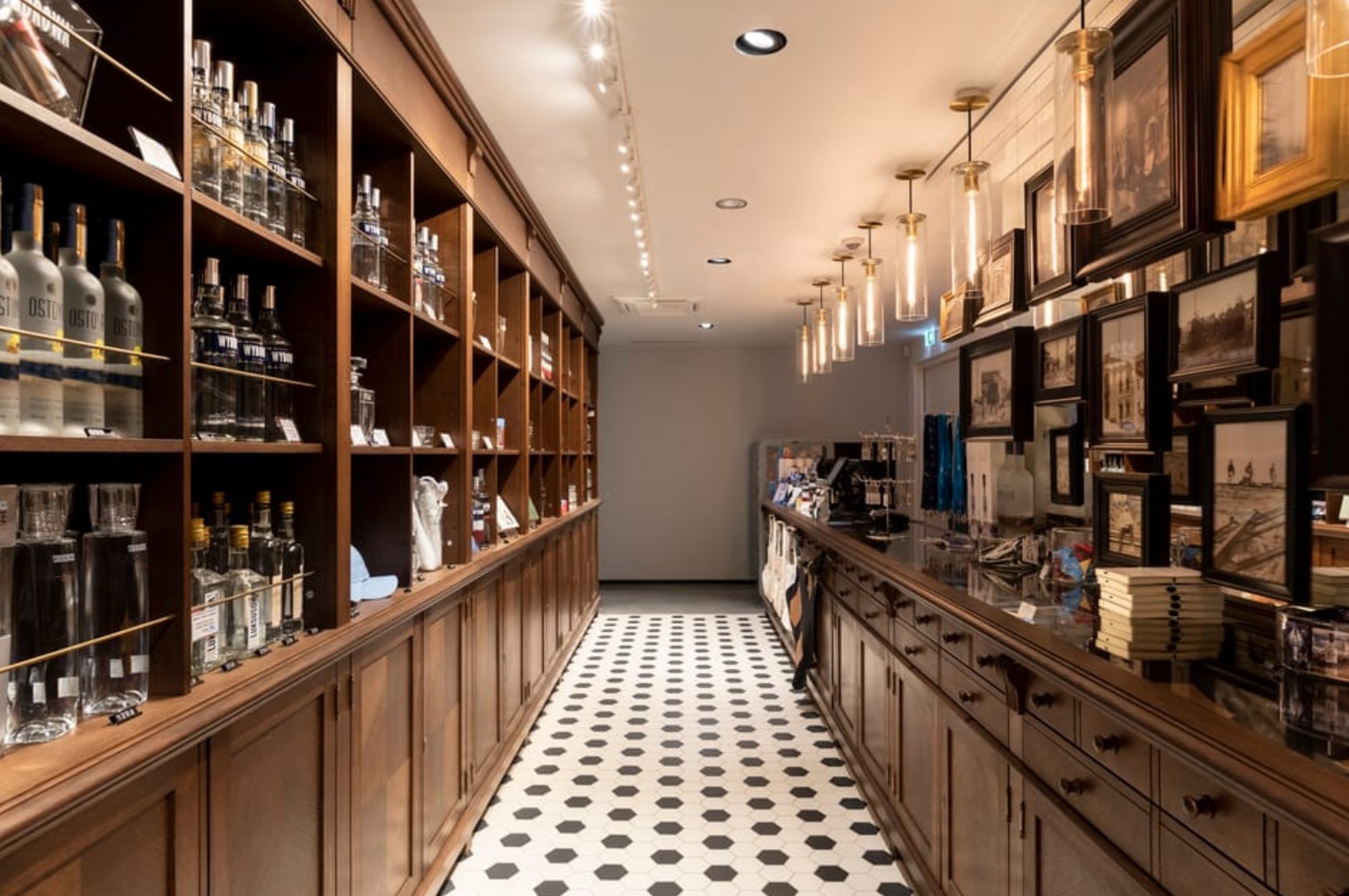
In the historic building of the former Koneser vodka factory in Warsaw’s Praga district, there is an unusual museum – the Polish Vodka Museum. During the 70-minute tour, guests pass through 5 interactive galleries where the history of the drink comes alive through modern technology and engaging storytelling from the guides.
The tour begins with memories from former workers of the Koneser factory, which immediately immerses visitors in the atmosphere of production. In the galleries, you do not just listen – you actively participate by answering the guide’s questions and interacting with the exhibits. This format helps visitors absorb the information better and makes the museum visit more dynamic.
After the main part, guests move on to the Vodka Academy for a 20-minute tasting. Here, you can try 4 different kinds of Polish vodka and learn about their characteristics. To finish the visit, guests are invited to the 3/4 Koneser bar on the third floor, where cocktails are made with traditional Polish vodkas.
It is important to arrive 10 minutes before the start and exchange your voucher for a ticket at the registration desk. The total program duration is 90 minutes, including the tour and the tasting.
- Overall rating: 4,5 / 5
- Visit Website
5. Bialowieza National Park and European Bison Tour
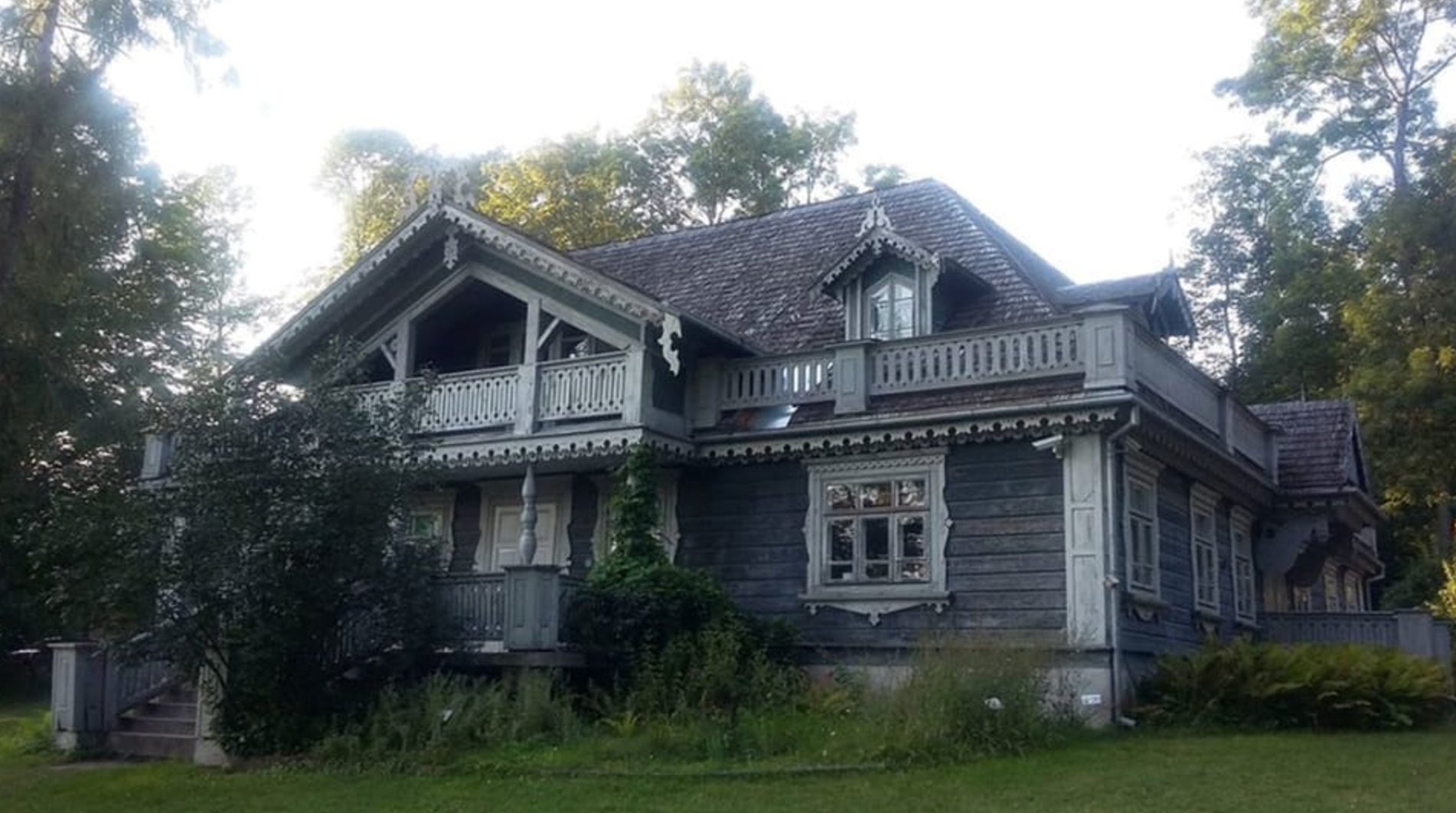
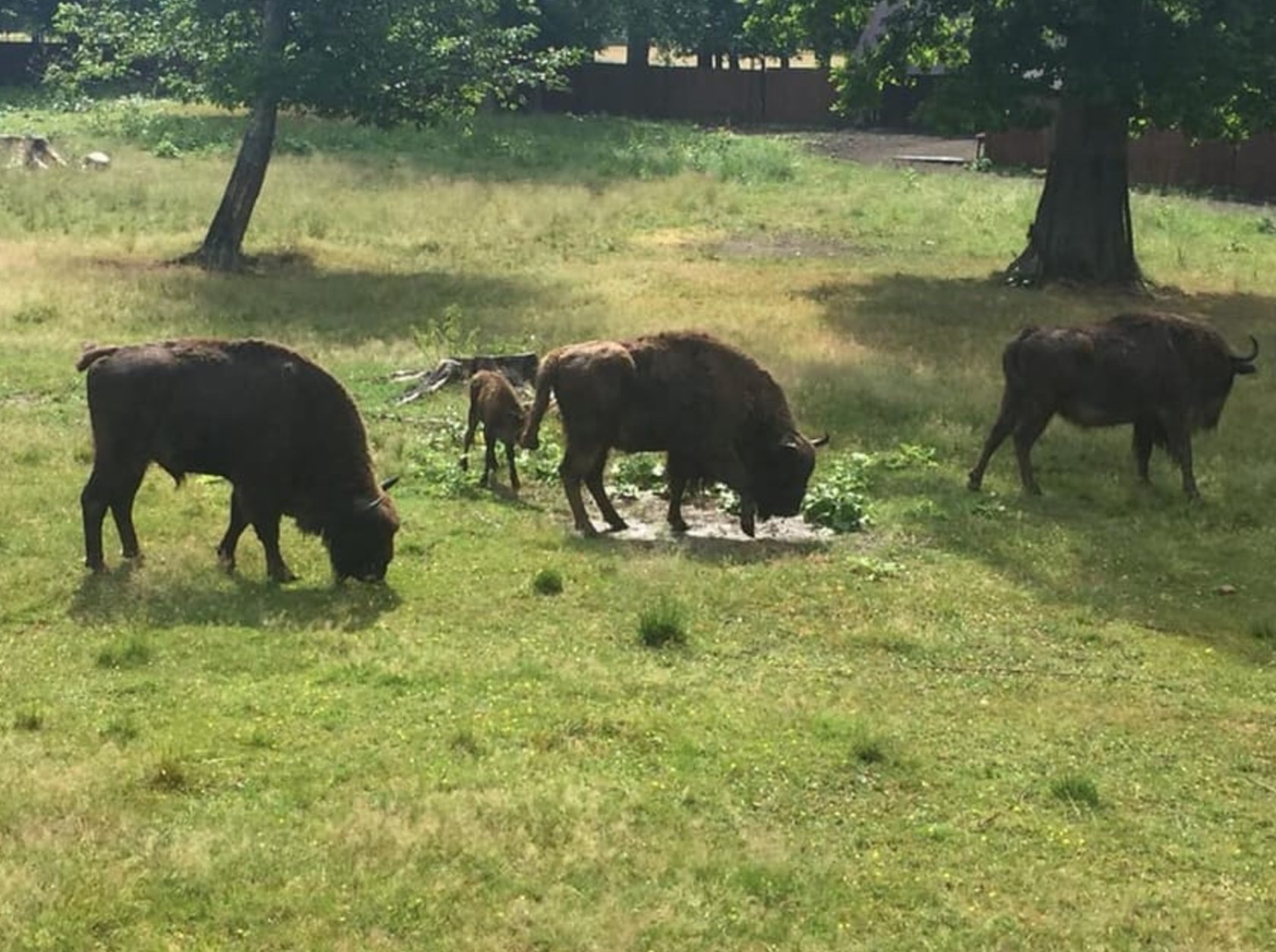
The heart of Europe’s untouched nature calls you on a journey through the Białowieża Forest – a place where time seems to slow down among centuries-old trees.
This three-hour walking tour with a local guide takes place in the protected area listed as a UNESCO World Heritage Site. The trail goes through old-growth forest, where you can see oaks that are several centuries old. Visitors note that the walk is fairly gentle and suitable for people with average physical fitness.
The main highlight of the program is a visit to the bison reserve. These powerful animals, weighing up to 800 kg, are the largest land mammals in Europe. The Białowieża Forest is home to the largest bison population in the world – around 800 individuals out of the 3,000 that currently exist. Tourists often say that seeing these majestic animals in their natural habitat leaves a lasting impression.
The tour begins with a morning departure from Warsaw. The drive to the village of Białowieża, located in the center of the forest, takes about 3 hours. The tour takes place in all weather conditions, so it is important to bring comfortable shoes and season-appropriate clothing. The whole trip lasts a full day.
- Overall rating: 5 / 5
- Visit Website
6. Polish Dumplings Cooking Class

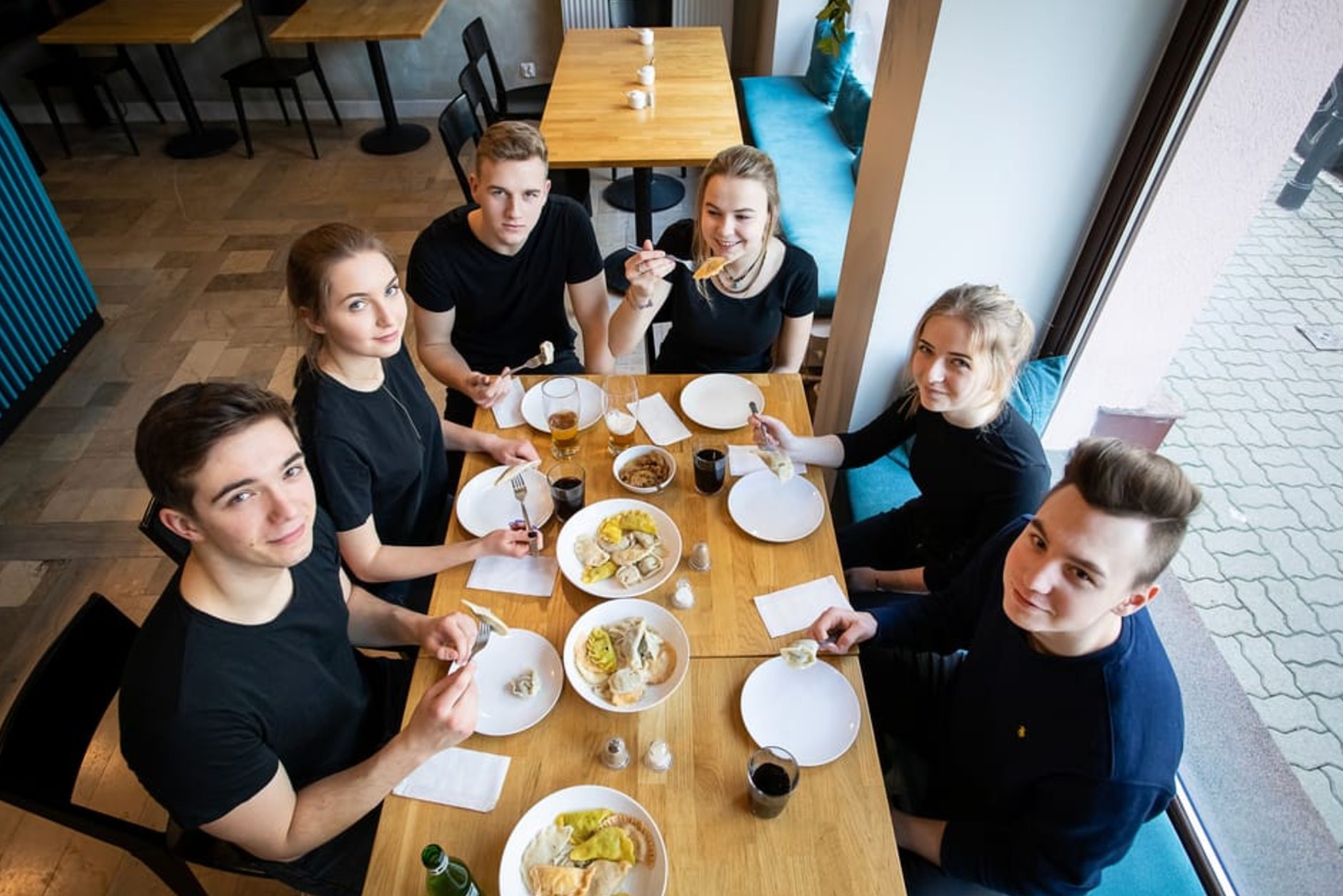
This two-hour cooking class on making Polish pierogi begins with a short introduction to the history of this national dish. Participants learn about the origins of pierogi and their role in Polish cuisine before moving on to the practical part.
Each guest can choose between a meat filling and a vegetarian/vegan filling for their pierogi. The instructor shows every stage of the process: from kneading the dough to the special techniques of shaping and boiling them.
The group usually consists of 10 to 12 people, although sometimes it is smaller. All necessary ingredients and equipment are provided, but because the number of sinks is limited, there may be small lines for hand washing. The instructor pays attention to every participant and helps them master the proper shaping technique.
At evening classes, a tasting of Polish liqueurs is included in the price – a pleasant bonus to the pierogi you make yourself.
Morning groups can order drinks separately. After the class, participants receive a recipe booklet and access to photos taken during the session.
- Overall rating: 4,7 / 5
- Visit Website
7. Traditional Galar Cruise on The Vistula River
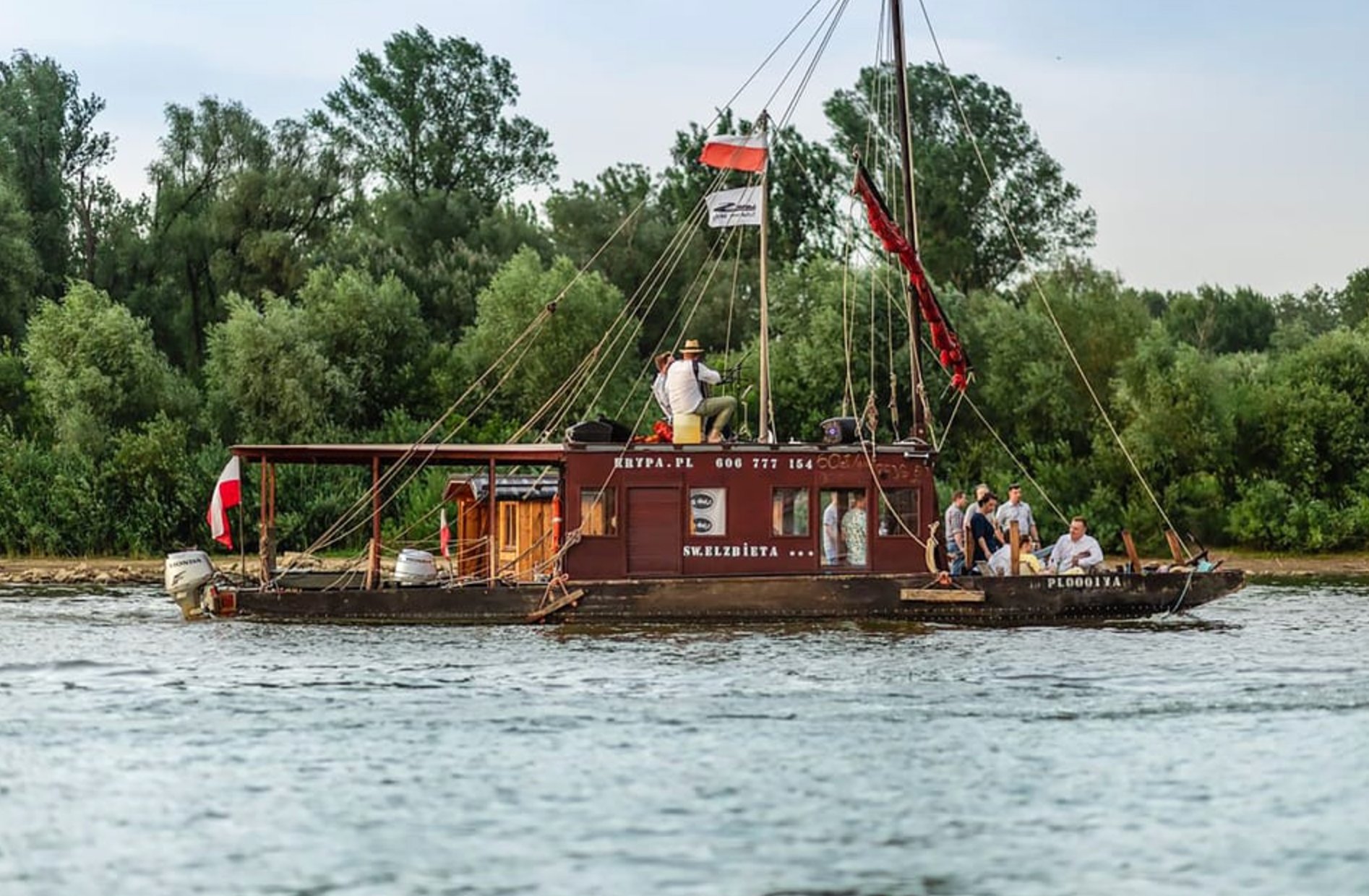
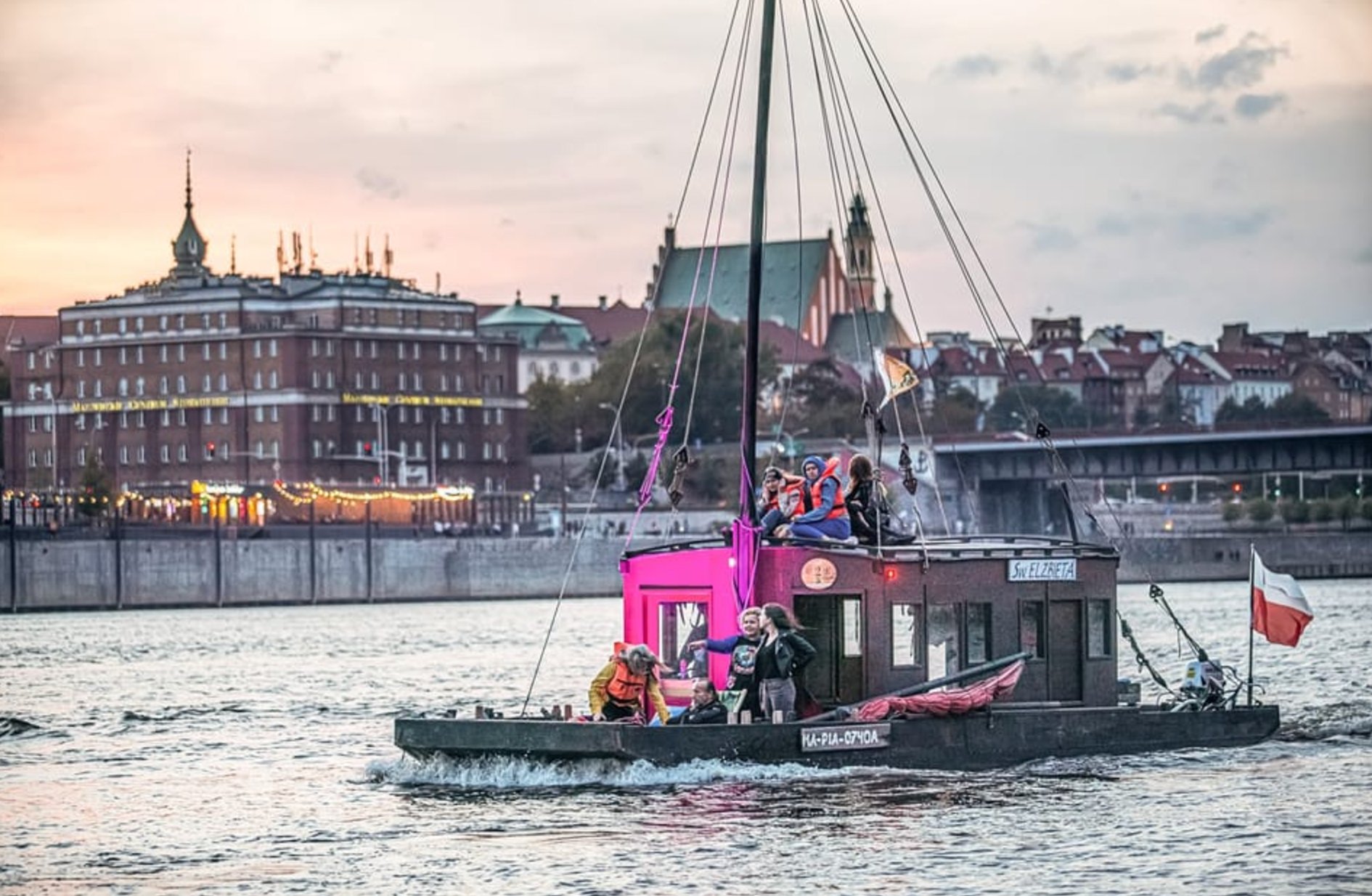
On the wooden deck of a galar – a traditional Polish boat – there are only 12 seats, which creates a cozy atmosphere during the one-hour journey.
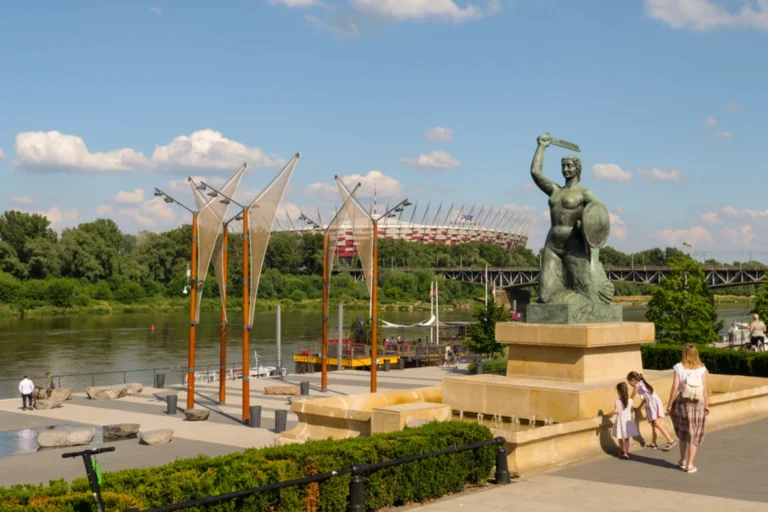
The route begins at the two-level barge Atalanta, where you can grab a bite before departure. According to tourists, the contrast between the modern skyscrapers and the historic Old Town seen from the water is especially impressive.
The captain tells guests about the history of navigation on the Vistula and the traditions of local boatbuilding. From the deck of the galar, you also get good views of natural attractions – parks and protected areas on the right bank of the river. Many people mention that it offers an excellent angle for photographing the National Stadium.
The boat was built according to traditional plans and historical techniques, which allows passengers to feel the atmosphere of river travel from past centuries.
Life jackets are available on board for all passengers. For a comfortable trip, it is recommended to bring a hat and sunscreen on sunny days.
- Overall rating: 4,5 / 5
- Visit Website
8. Tour of the Wolf’s Lair, Hitler’s HQ by Car
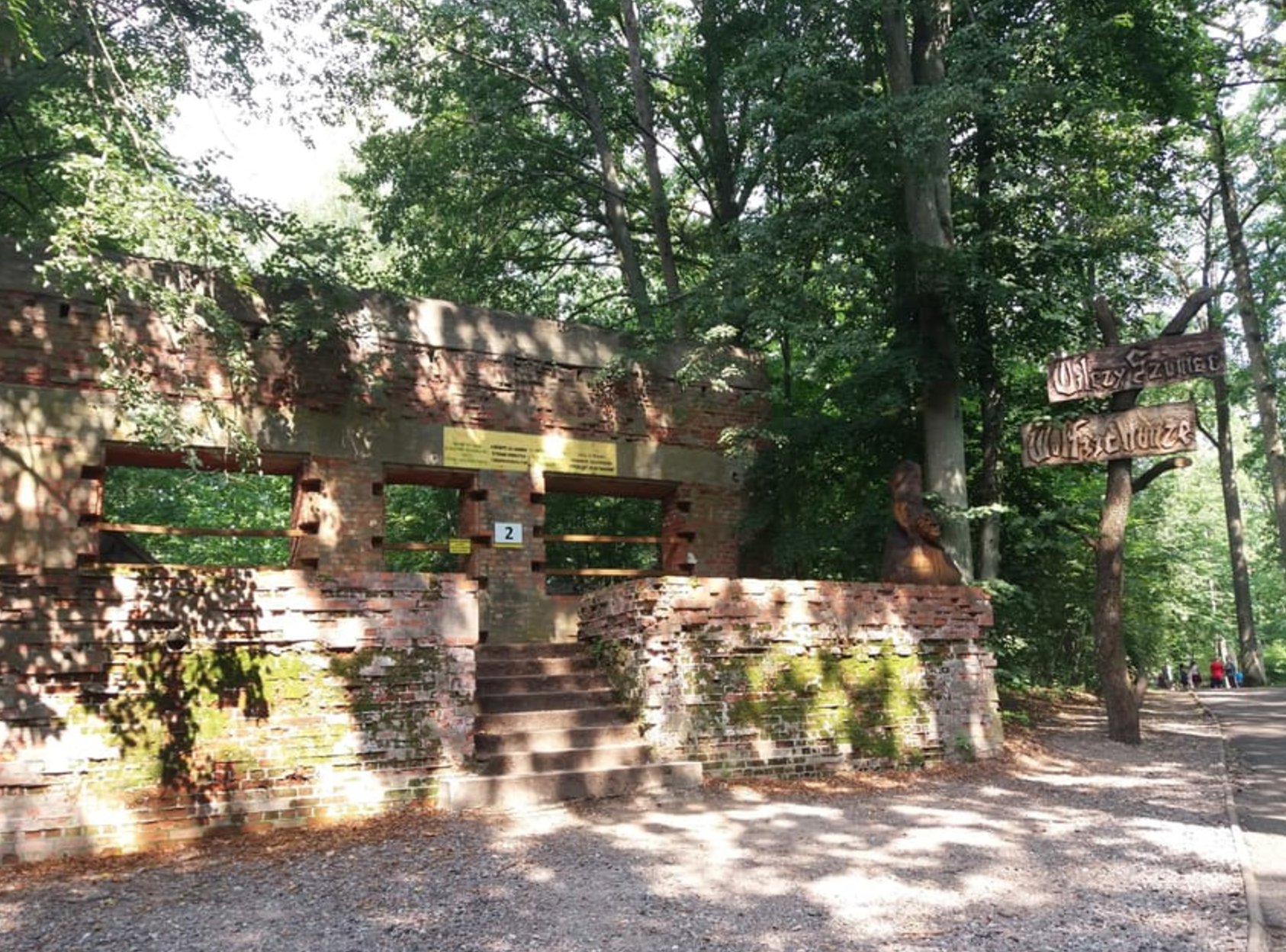
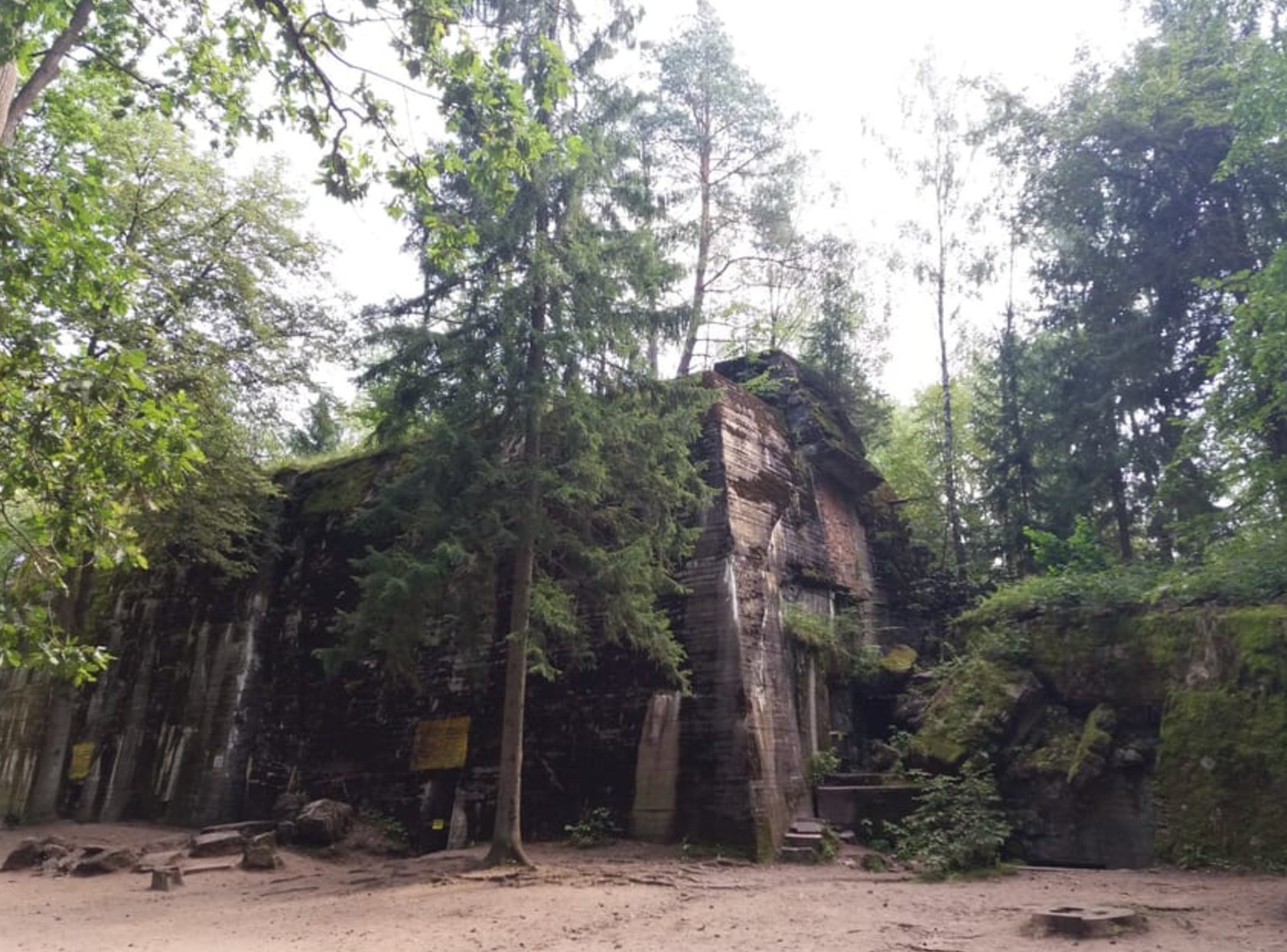
Wilczy Szaniec – Hitler’s former headquarters, a huge bunker complex covering 800 hectares – reveals one of the darkest chapters of World War II. For 900 days of the war, it functioned as a self-contained city with its own power station, water supply, cinema, casino, and even an airport.
This ten-hour tour from Warsaw includes meeting with a guide who will take you through the bunker complex and explain its military history in detail. Special attention is given to the room where the failed assassination attempt on Hitler took place – one of the key events in the history of the site.
It is worth considering the length of the drive from Warsaw – reviews mention this as the only notable downside of the tour.
The complex is organically set within the Masurian forests, creating a strong contrast between nature and the military structures. The tour allows visitors not only to learn historical facts, but also to feel the atmosphere of wartime through the preserved buildings and the guide’s detailed storytelling.
- Overall rating: 4,8 / 5
- Visit Website
9. Jewish History Guided Walking Tour
This three-hour tour of Warsaw’s Jewish heritage immerses visitors in the history of a city that was once the largest center of Jewish culture in Europe before the war.
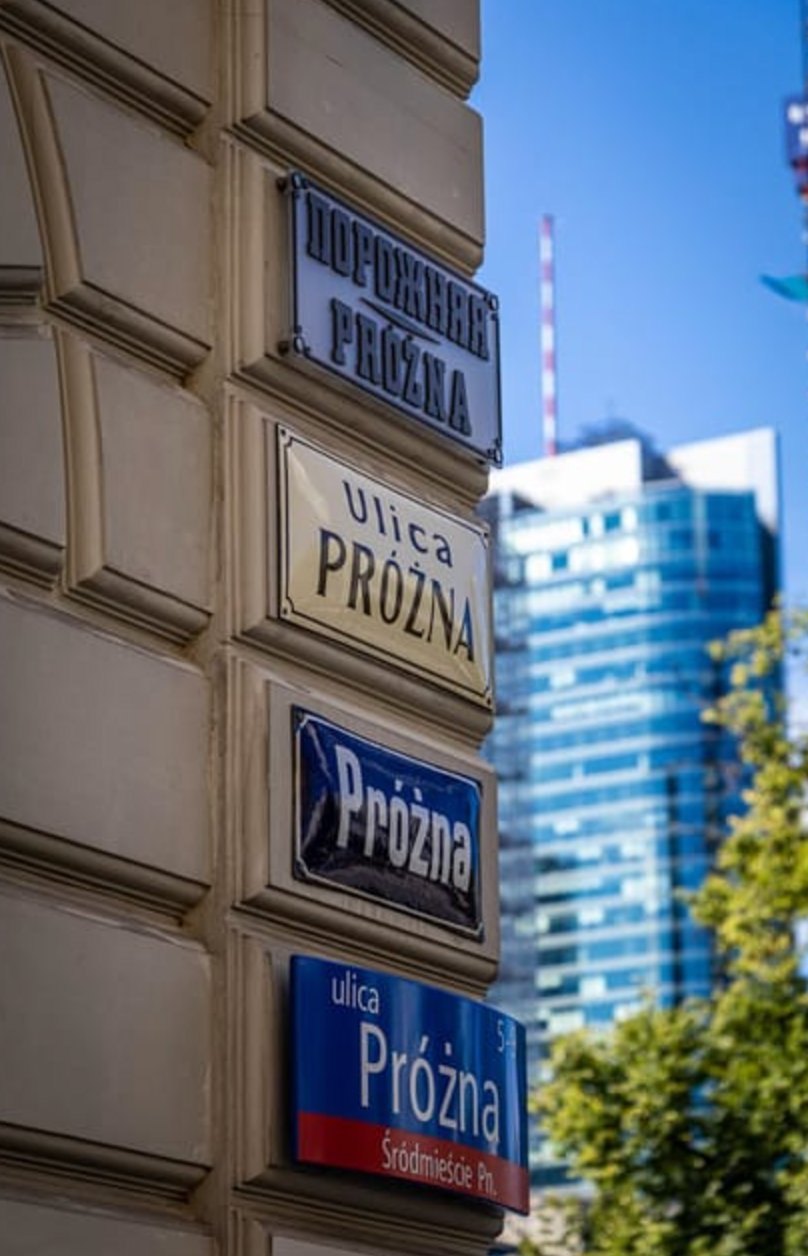
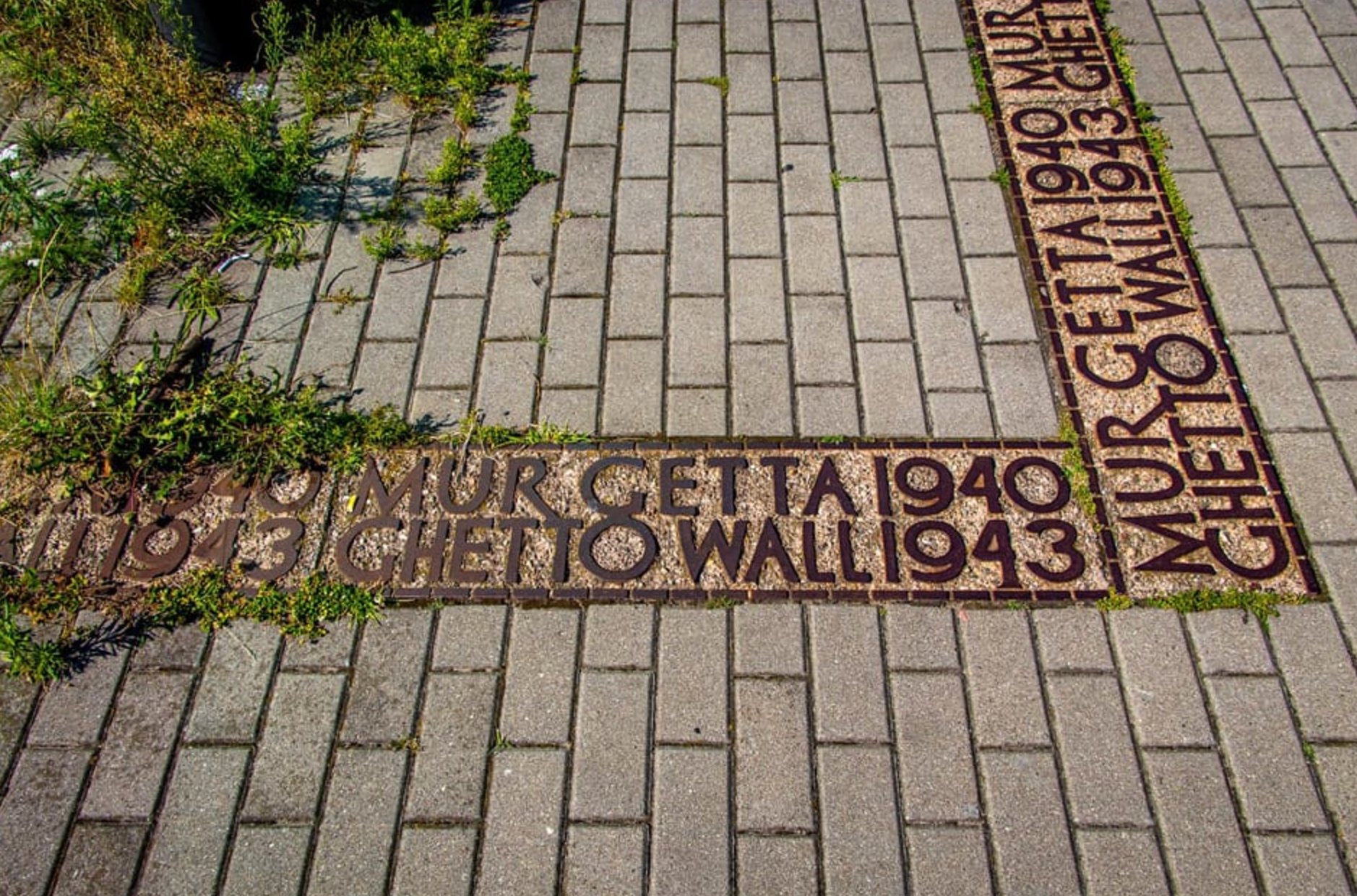
The route passes through key locations of the former ghetto – Chłodna and Waliców Streets, where original sections of the walls have been preserved. The central point of the route is the Nożyk Synagogue, the only surviving pre-war synagogue in Warsaw, where you can see the richly decorated prayer hall and learn about the city’s modern Jewish community.
The guide talks not only about the tragedy of the Holocaust, but also about the flourishing of Jewish culture in the interwar period, when hundreds of creative figures were active in the city.
The tour takes place in all weather conditions – if it rains, the group takes shelter indoors. There are places to rest along the route, but comfortable shoes are recommended for the long walk.
- Overall rating: 4,8 / 5
- Visit Website
10. Skip-the-Line Royal Castle Guided Tour
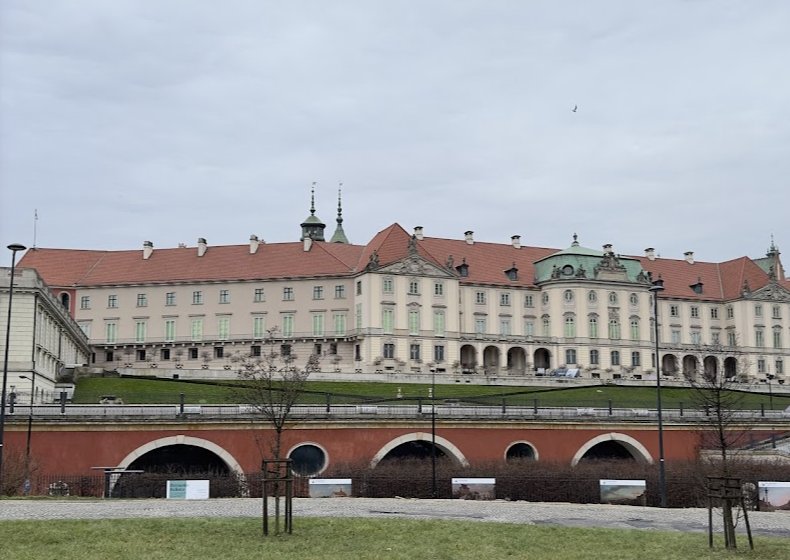
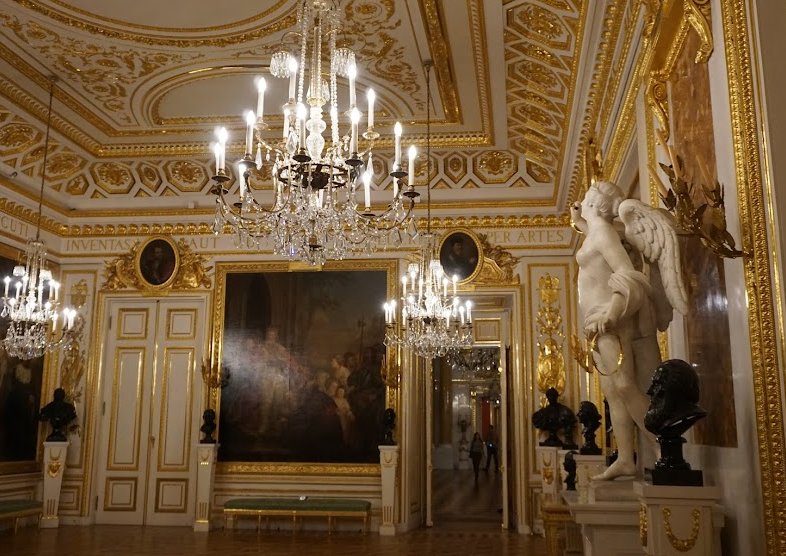
In two hours, you will see the restored royal apartments of the Castle with a professional guide. Skip-the-line entry allows you to immediately immerse yourself in the history of the Polish monarchy. In the Throne Room and the royal chambers, original furniture and paintings from the time of Poland’s last rulers have been preserved.
Guides often adapt their narrative to the interests of the group – some enthusiastically discuss art and Baroque architecture, while others focus on the country’s political history. Tourists especially note the guides’ detailed knowledge of events connected with the transfer of the capital to Warsaw and the destruction of the Castle in 1939.
The tour is available in two formats: private (just your group) or group tour for up to 15 people. In a small group, it is comfortable to listen to the guide and ask questions. For those who want to learn more about the Old Town, there is an extended 3-hour route with a walk along the Royal Route and the main square.
Guides are ready to stay after the tour if the group shows genuine interest – there was a case when Swiss tourists were told about the development of Polish democracy for an extra hour beyond the planned time.
- Overall rating: 4,8 / 5
- Visit Website
11. World War 2 in Warsaw walking tour
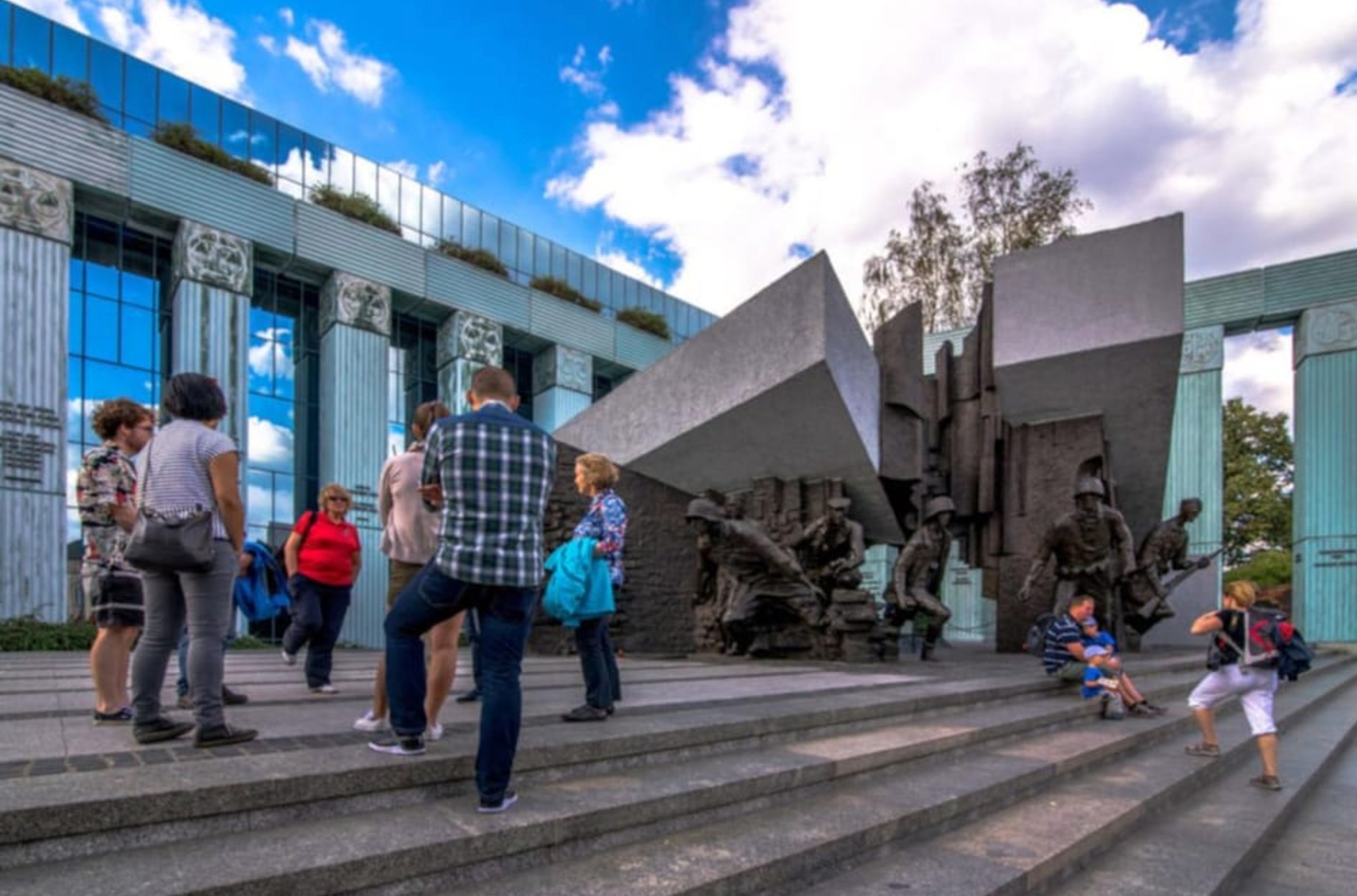
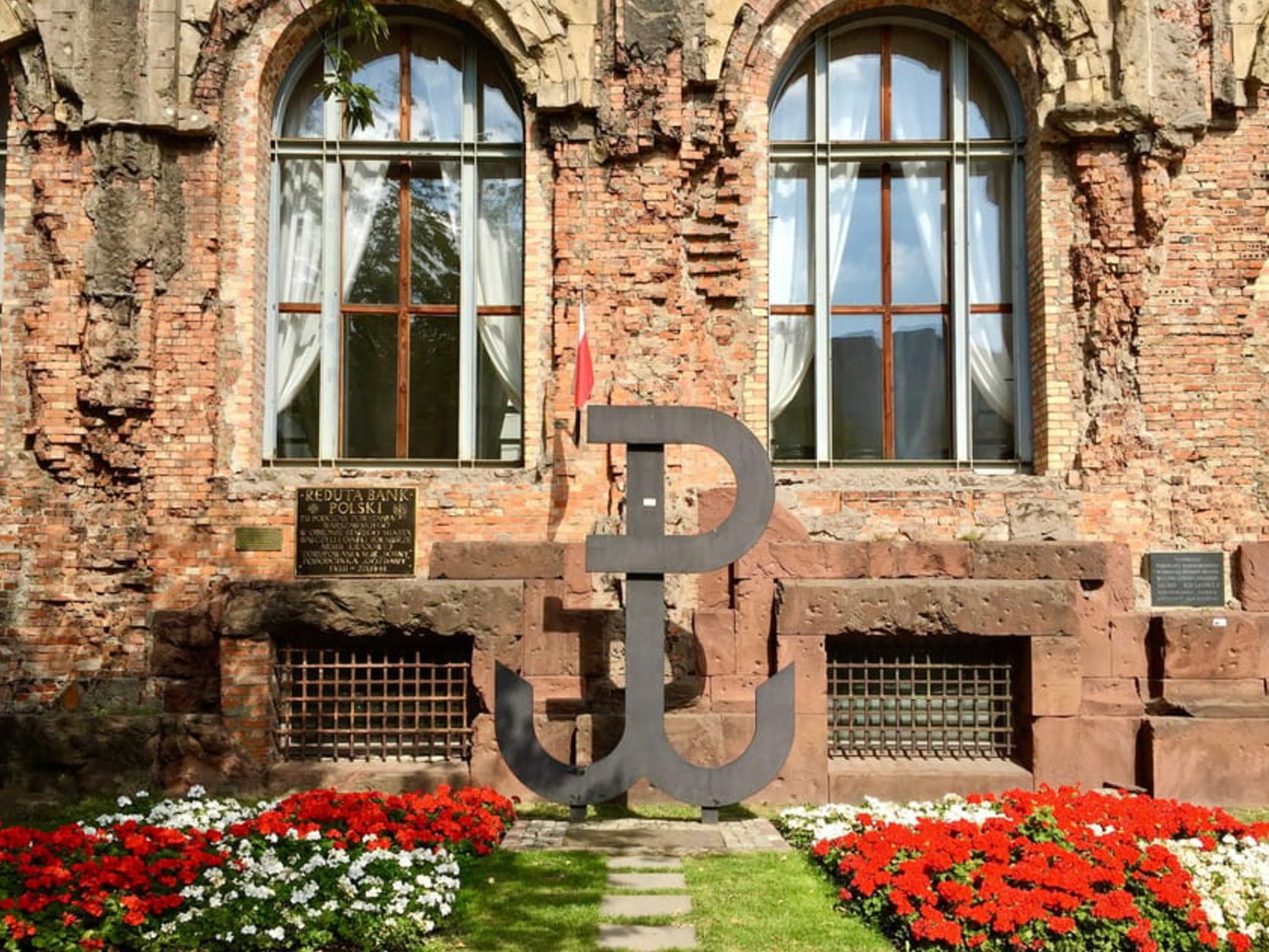
Behind the facades of modern Warsaw lies a tragic wartime history, revealed by the World War 2 in Warsaw walking tour. A local guide leads groups through the city’s key sites: the area of the former Jewish ghetto, places of mass executions, and centers of resistance during the 1944 Uprising. The route includes the former Nazi district and a square renamed by Hitler.
The guide enriches the story with wartime photographs and family stories of Warsaw residents, which helps visitors feel the atmosphere of the period. In one review, a tourist especially noted how the guide managed to convey the scale of the suffering and heroism of the city’s residents under German occupation.
The route covers the two largest uprisings: the Jewish Ghetto Uprising of 1943 and the Warsaw Uprising of 1944. The guide explains everyday life in the city under SS control, the massive bombings, and the resistance against the occupiers.
- Overall rating: 4,6 / 5
- Visit Website
12. Warsaw Ghetto Private Walking Tour with Hotel Pickup
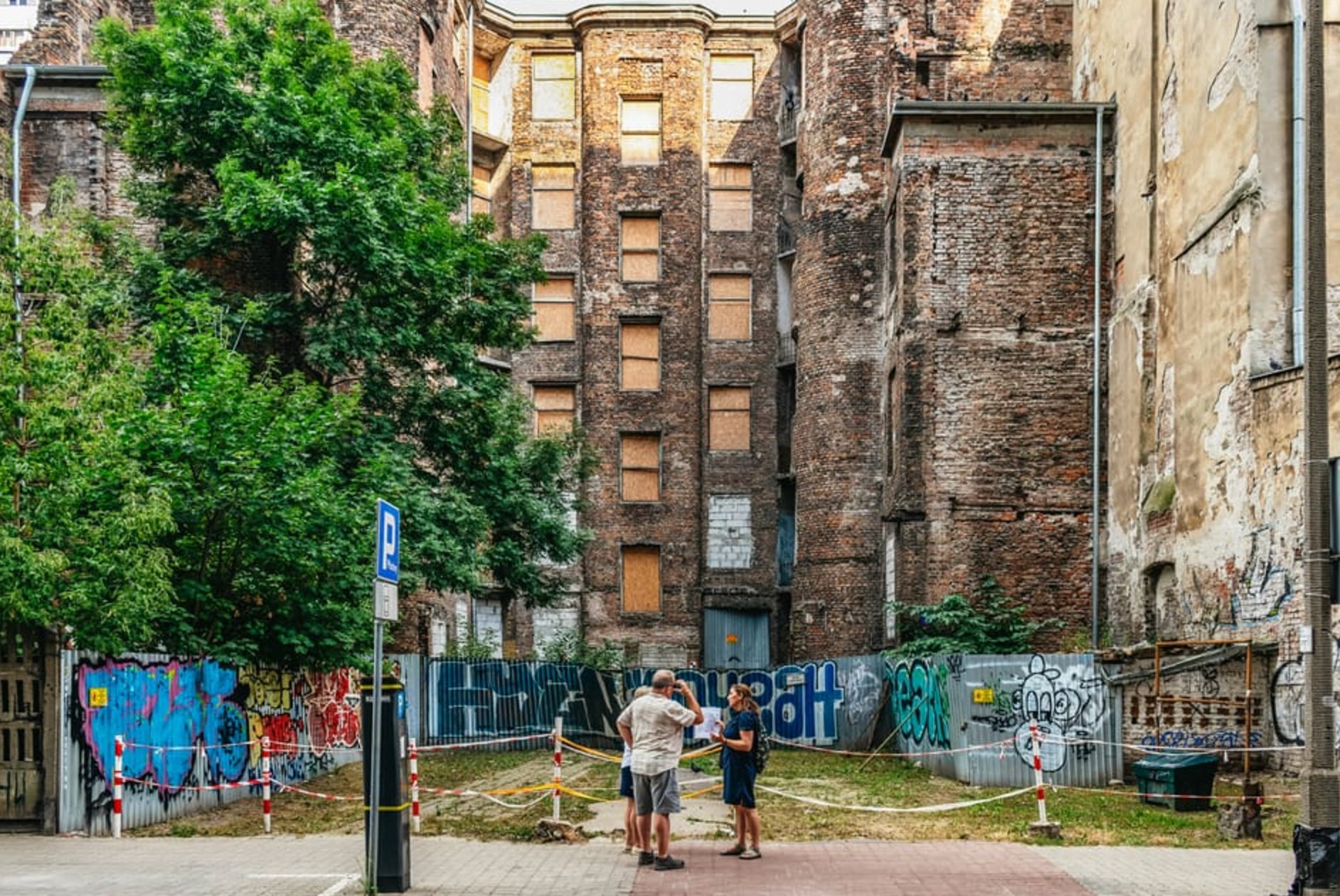
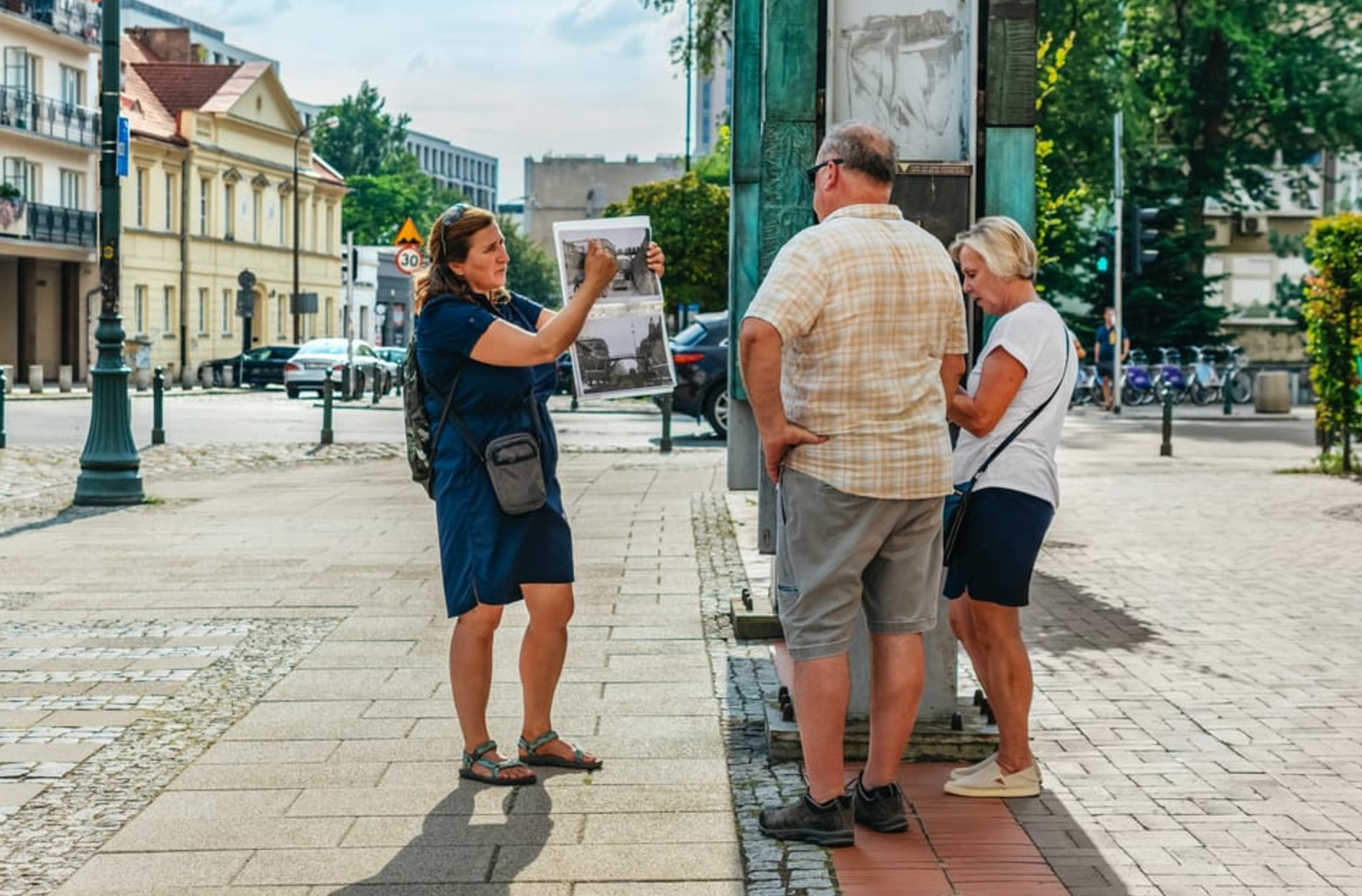
On the streets of pre-war Warsaw, the guide helps visitors imagine the scale of the tragedy of the Jewish ghetto through preserved fragments of walls and memorial sites. Over 3 hours, the route covers the key locations: the only surviving synagogue where services are still held, the Umschlagplatz, and the Ghetto Heroes Monument.
The guide uses archival photographs and maps to show what the area looked like in 1940-1943, when more than 400,000 people were confined here within 4 square kilometers. Participants note that thanks to the detailed explanations and visual materials, it is easy to imagine the scale of the tragedy even in places where modern buildings now stand.
The route ends at the POLIN Museum, where you can continue learning about the history. At the synagogue, you need to pay the entrance fee (20 zloty) and have a head covering with you.
During the walk, you will learn about everyday life in the ghetto, the 1943 uprising, and the fate of survivors, including the story of Władysław Szpilman. There are places to rest along the route, but it is recommended to bring comfortable shoes and sun protection.
- Overall rating: 4,9 / 5
- Visit Website
13. Treblinka Heartbreaking Concentration Camp Tour
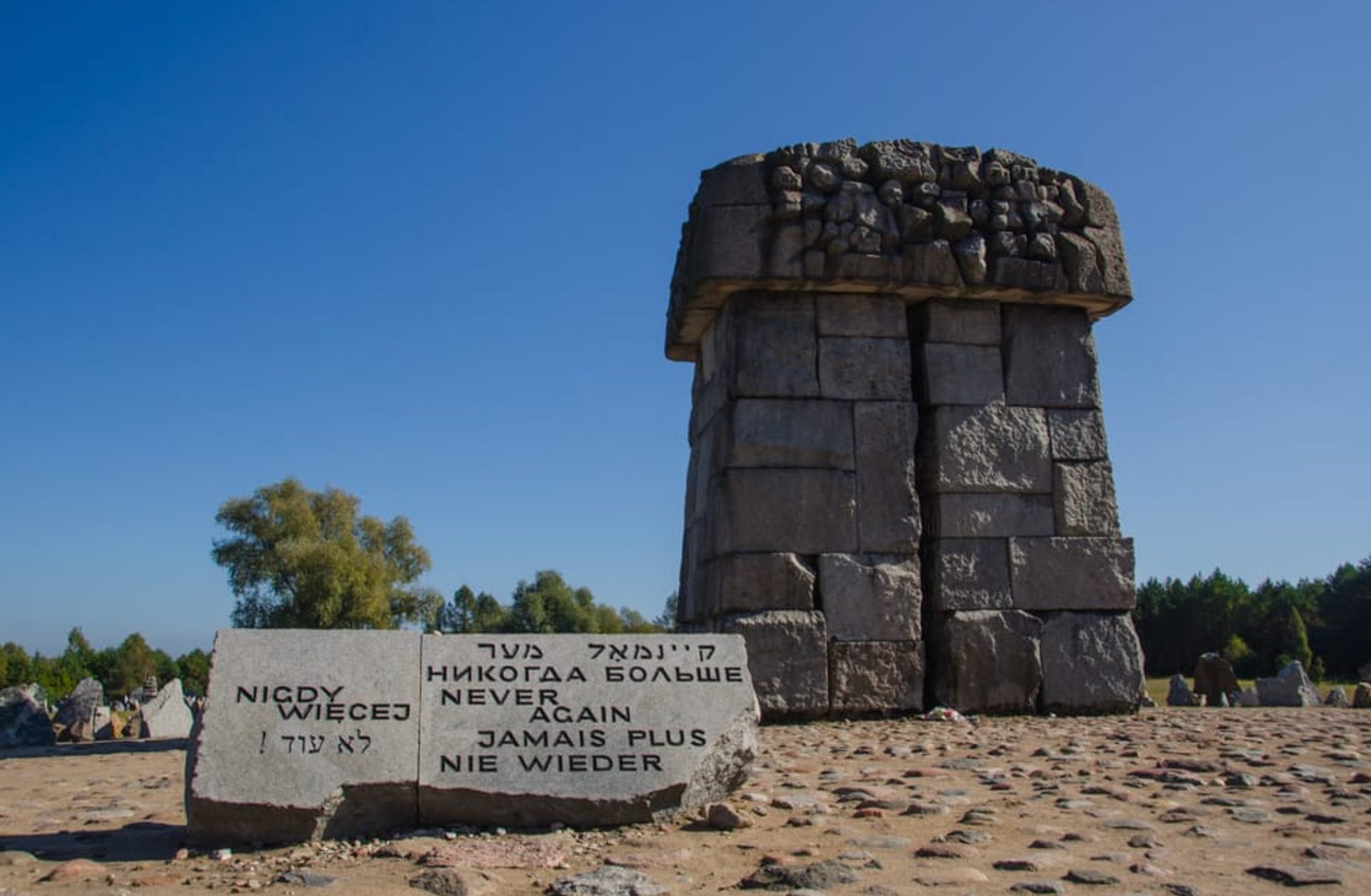
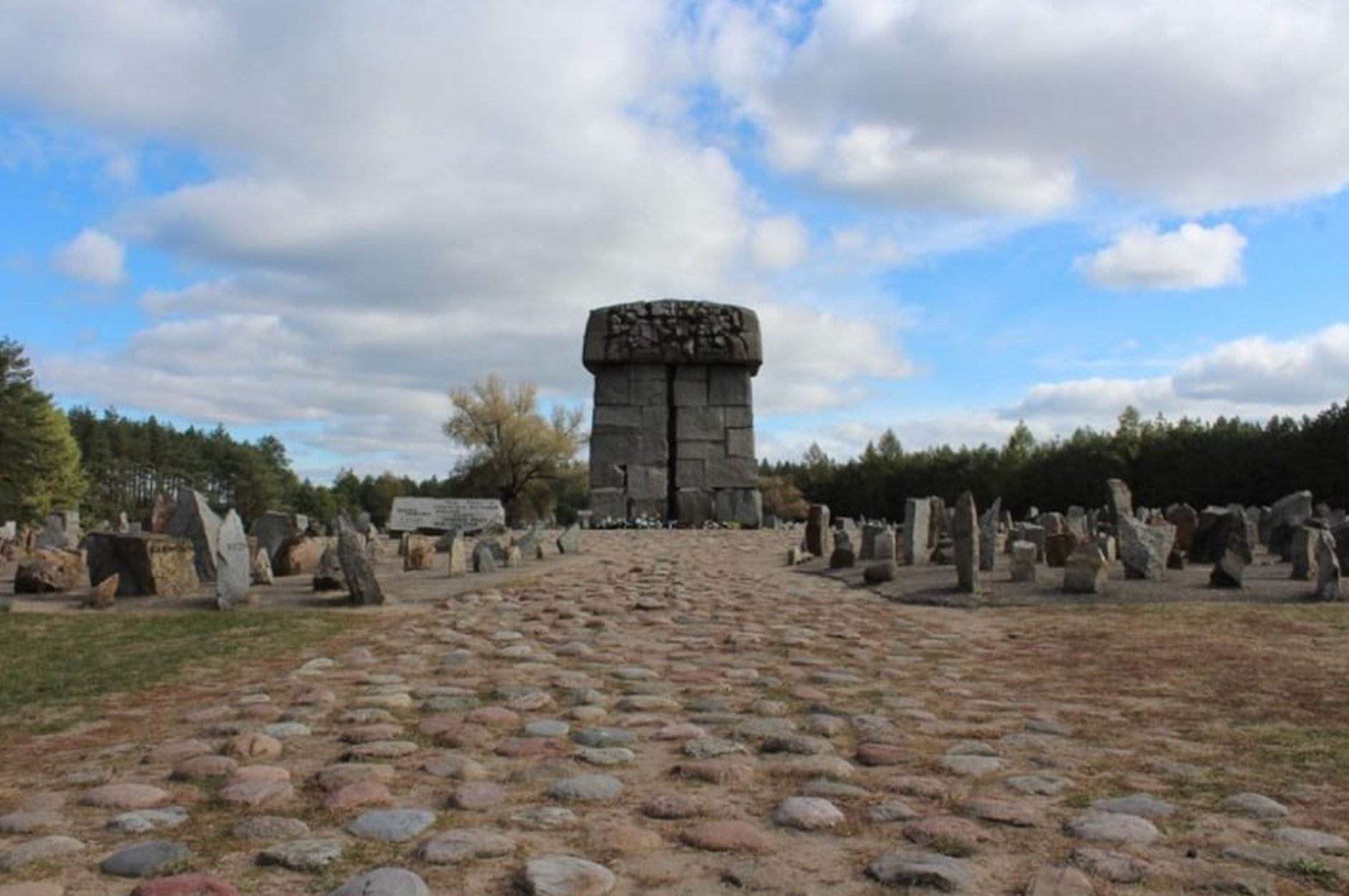
Spending 4 to 5 hours at the site of the former Treblinka concentration camp allows for a deep immersion into the tragic events of the Holocaust. Accompanied by a guide, you will walk through the memorial complex, where there is now a symbolic field of stones – each stone represents a community destroyed here.
At the center of the complex stands a monument to the victims of the Holocaust and a separate stone dedicated to Janusz Korczak. The tour includes transfer from Warsaw (about one hour each way) and back.
According to visitors, one of the most powerful impressions comes from the contrast between today’s peaceful landscape and the scale of the tragedy – nearly 900,000 people were murdered in Treblinka.
For a comfortable visit, it is recommended to bring a raincoat, since most of the route is outdoors. The tour is scheduled to begin in the morning between 9:00 and 11:00, which helps avoid large crowds. It is worth noting that the route is not adapted for people with limited mobility.
- Overall rating: 4,6 / 5
- Visit Website