You only have one day in Warsaw but still want to get to know the city? This route will take you through the main landmarks of the Polish capital in about 10 hours. From the medieval streets of the Old Town to modern skyscrapers, from royal parks to lively urban neighborhoods, you will see how Warsaw has changed over the centuries.
This itinerary is designed for the warmer months or a mild winter. You should start no later than 9:00 AM and have breakfast in advance. The entire route can be done on foot, which is the best way to really feel the city. But if you get tired, there are public transport stops near every point on the route. A day ticket will help save energy, although you will miss some of the city views along the way.
If you like moving quickly, you will manage the full route. If you prefer slower walks and taking a closer look at each place, you may have to skip a couple of stops.
By the end of the day, you will have formed your own impression of Warsaw – a city that rose from ruins again and again and came back even stronger. This route works well both for solo travelers and for small groups. Let’s begin.
And for those planning to explore the city more deeply, we have also prepared guides to the best restaurants, cafés, and museums in Warsaw.
And if you do not feel like simply walking around Warsaw, I recommend choosing a guided tour or a universal museum pass covering more than 20 museums.
1. Old Town (09:00-10:45)
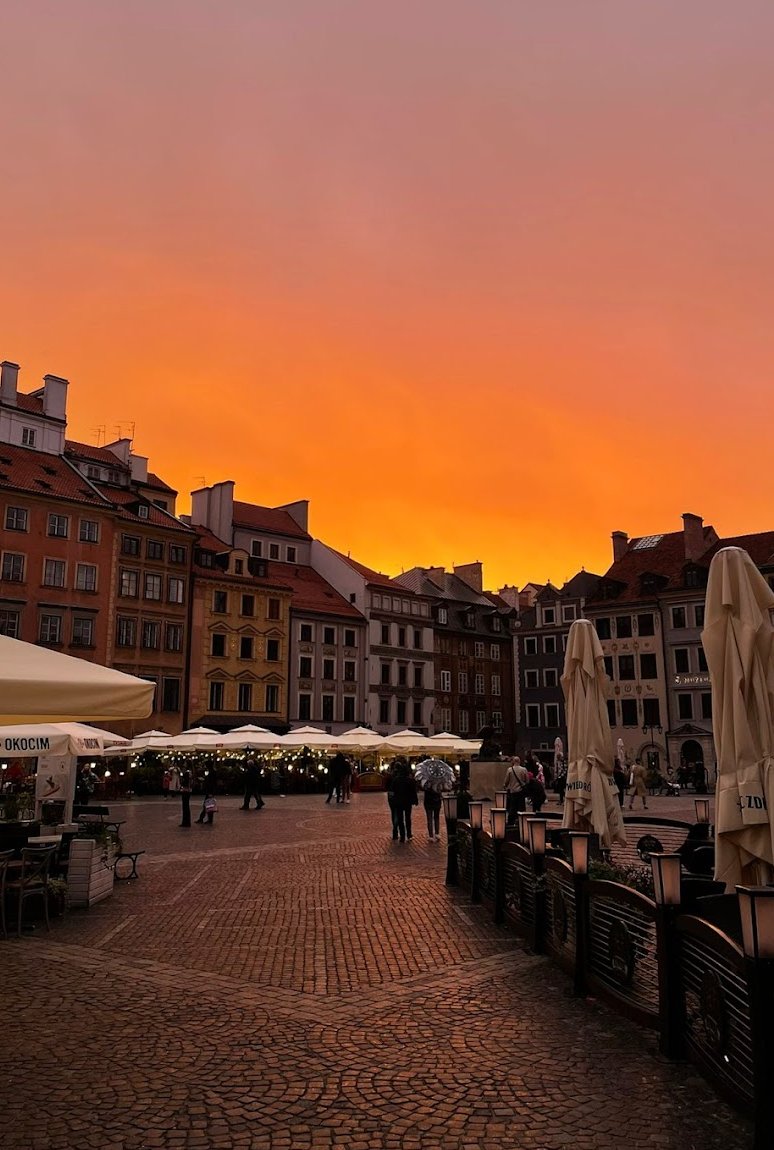
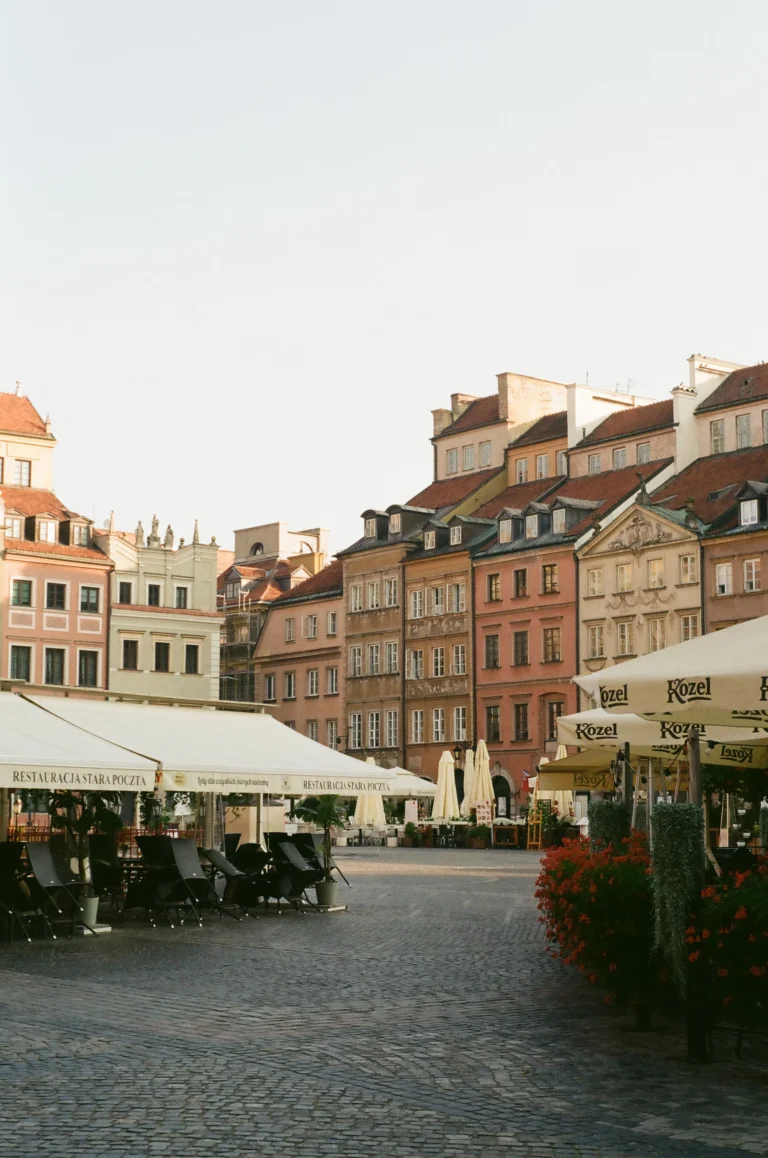
Start your introduction to Warsaw in the Old Town, which is easiest to reach by taking the metro to Ratusz Arsenał station. After a five-minute walk, you will arrive at Market Square, the central point of the historic district. Around the square stand 16th- and 17th-century merchant houses that now contain cafés and souvenir shops.
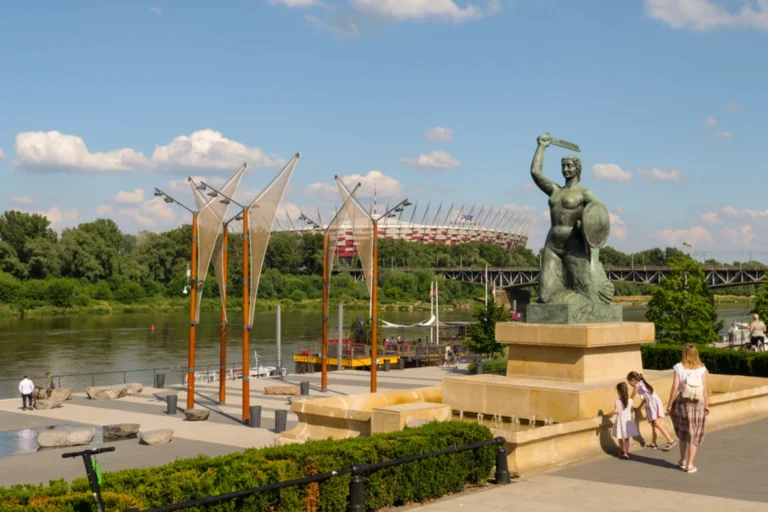
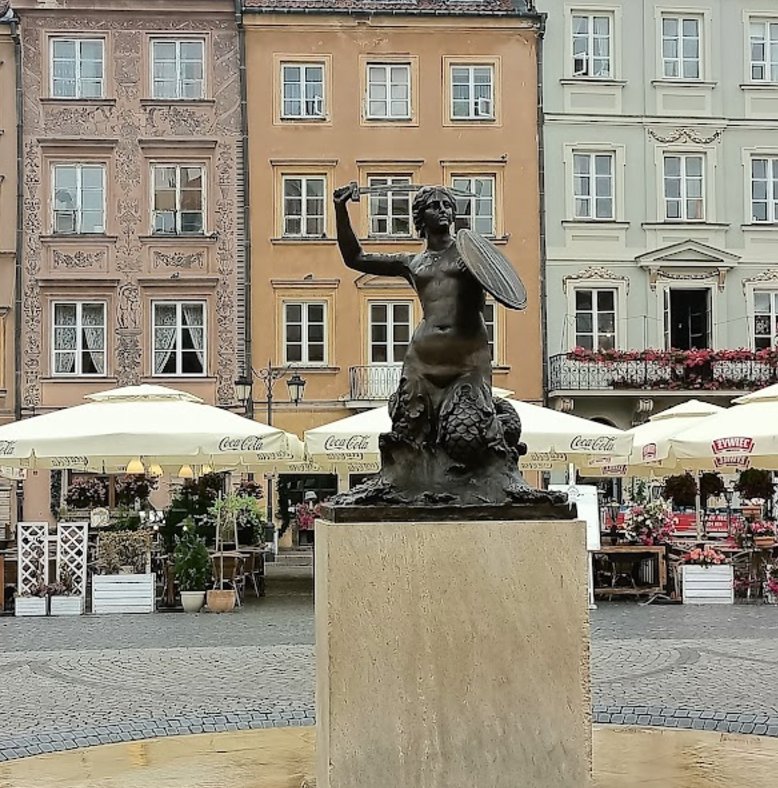
In the center, you will find the symbol of the city – the Mermaid statue with a sword and shield.
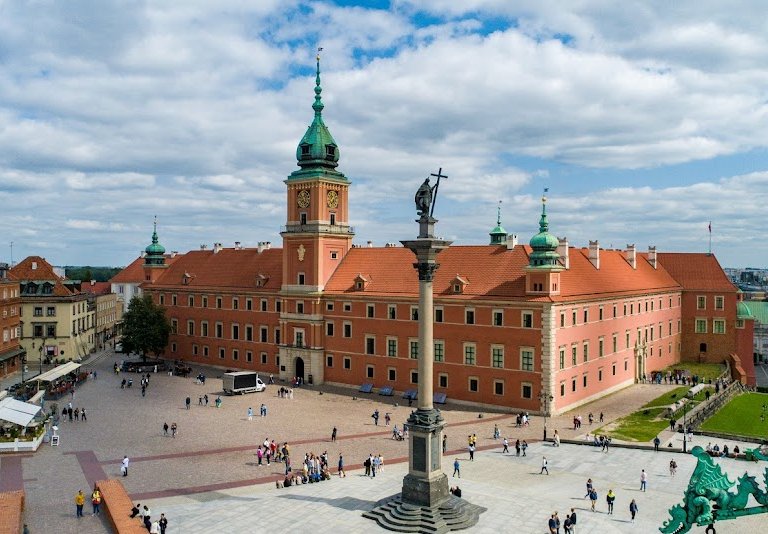
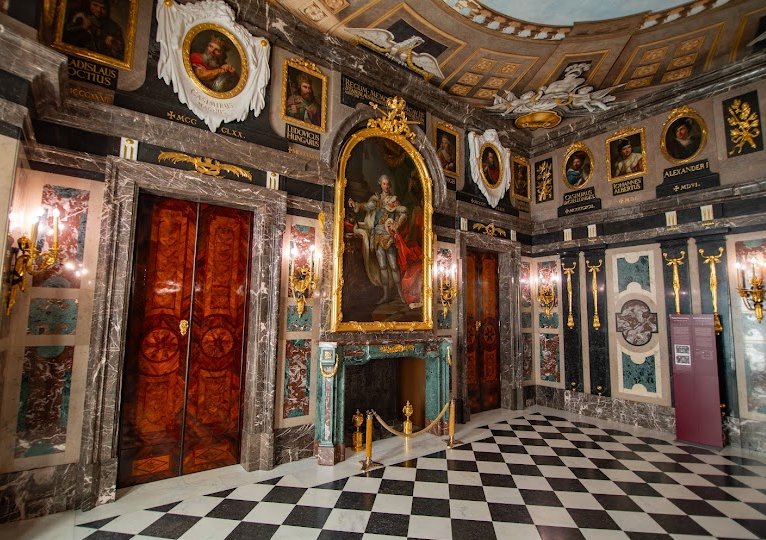
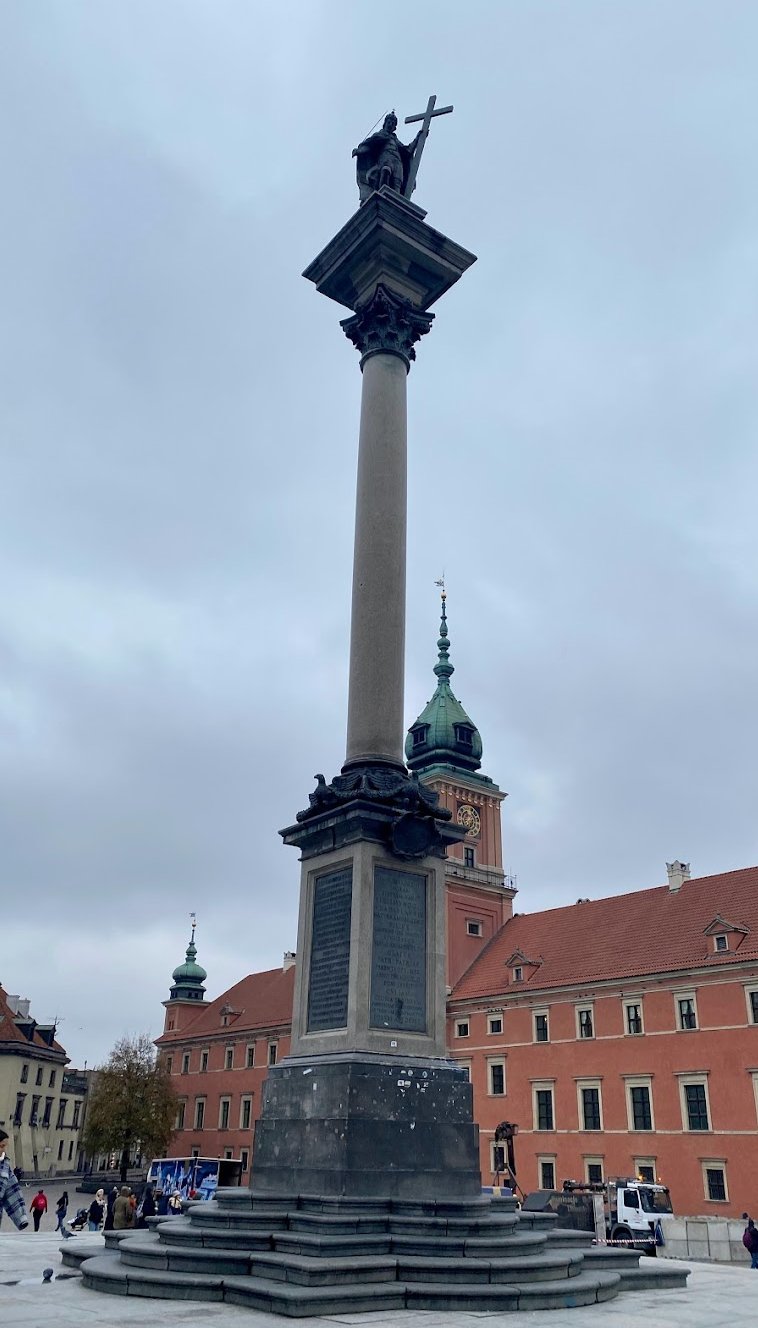
From the square, walk to the Royal Castle, which houses an impressive collection of paintings, including works by Rembrandt. At the entrance to the castle stands Sigismund III’s Column, dedicated to the first king who made Warsaw the capital.
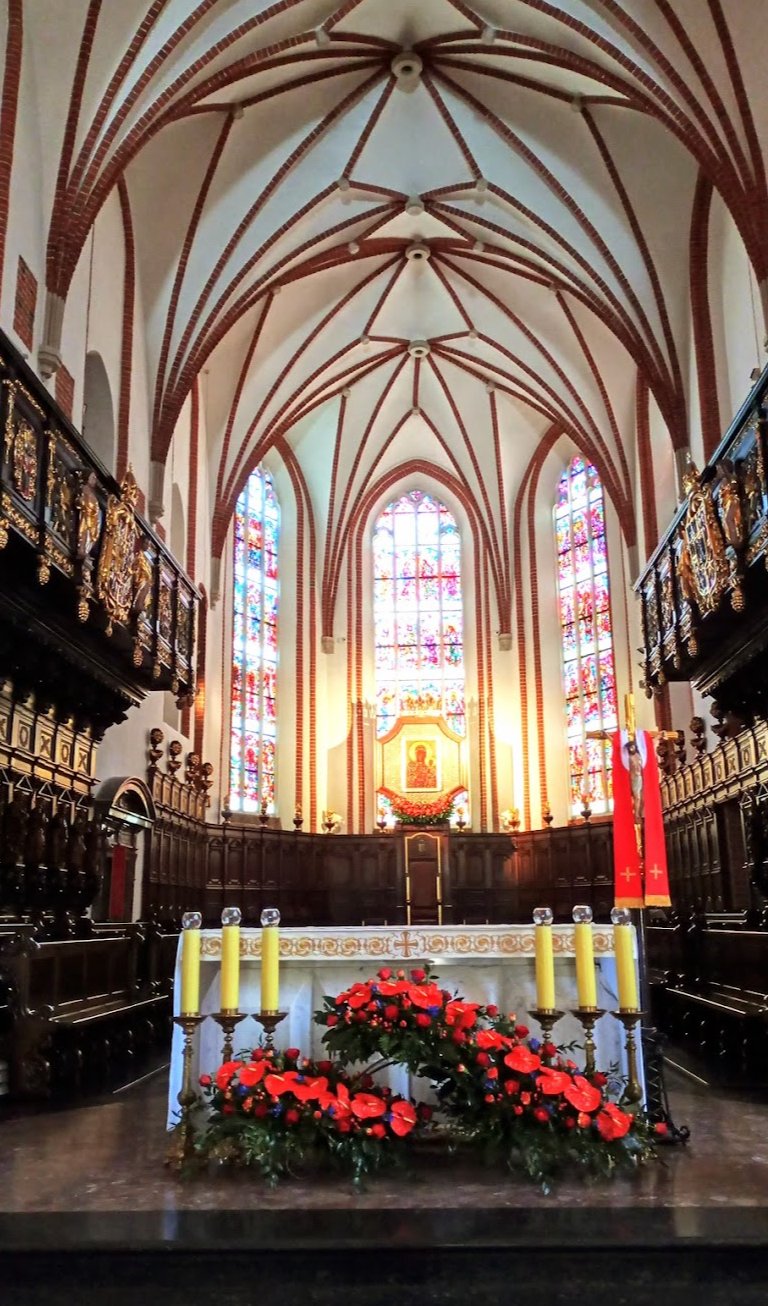
Be sure to step inside St. John’s Archcathedral – this is where Polish monarchs were crowned. Several stone houses on Market Square are home to the Museum of Warsaw, where you can learn more about the city’s history.
Seeing the main sights in this area will take about two hours. I recommend starting early in the morning, when there are still no crowds of tourists and the local cafés are just opening for breakfast.
2. Defensive Fortifications (10:45-11:30)
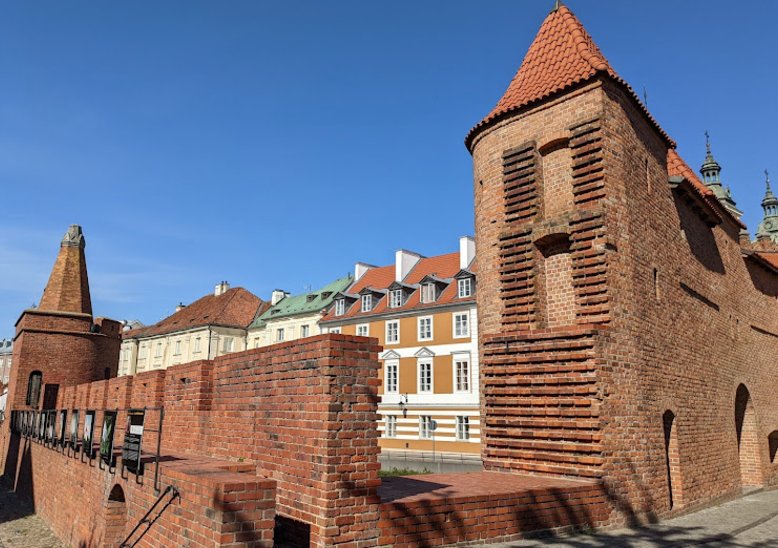
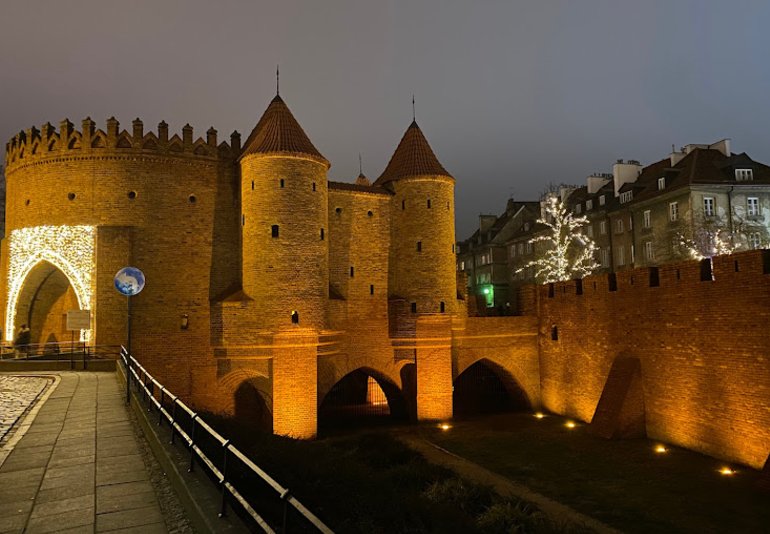
After the Old Town, continue with Warsaw’s medieval defensive heritage. The Barbican – the main fortification on the northern side of the city – was built in 1548 and once connected the Old Town with the New Town.
Walk along the circular gallery, from which defenders once protected the city. The city walls, partly reconstructed after the war, stretch for 200 meters along Podwale Street. Here you can still see original sections of 14th-century brickwork.
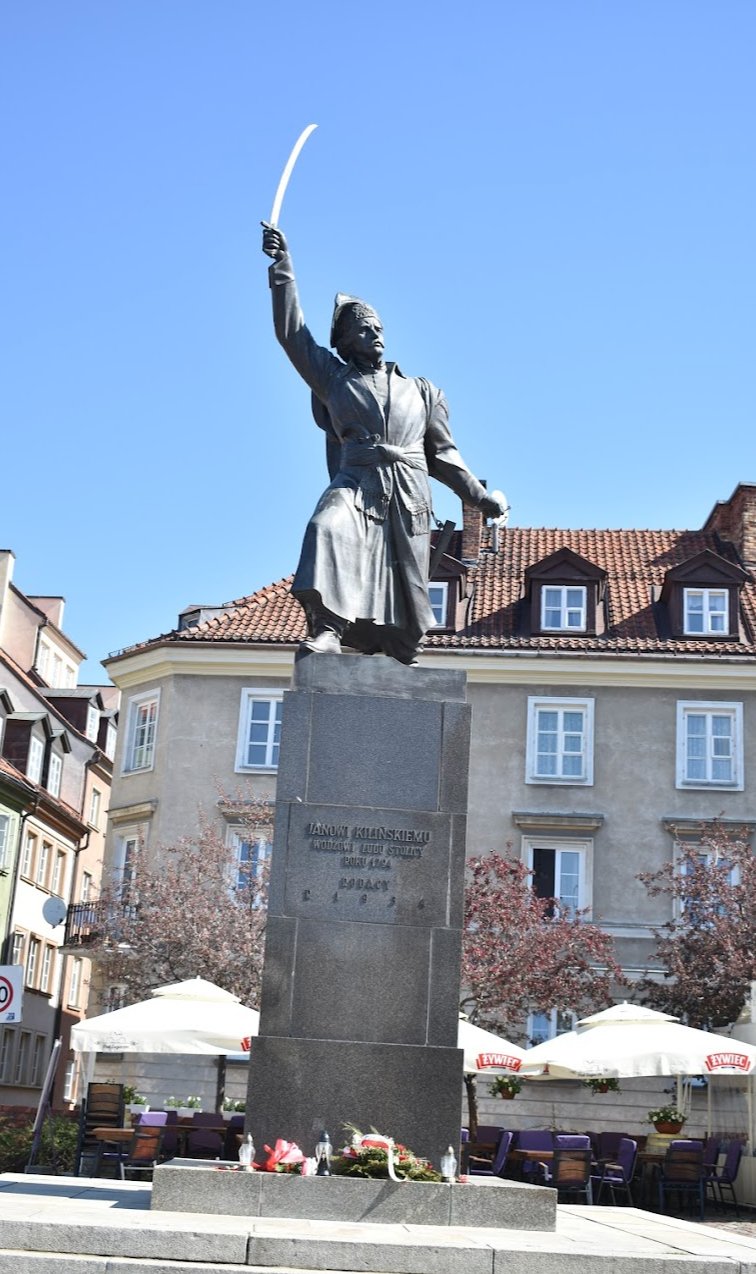
Near the Barbican stands the monument to Jan Kiliński, a shoemaker who led the uprising against Russian troops in 1794. In the warmer months, street musicians and artists often perform by the walls, making this a great place for atmospheric photos.
Narrow passageways known as posterns have survived between the towers – these allowed defenders to leave the fortifications unnoticed. Climb up to the viewing platform on one of the towers for a panorama of the Old Town and a clear view of how naturally these ancient defenses fit into modern Warsaw.
In 45 minutes, you will have enough time not only to see everything here but also to stop and listen to the street musicians. In high season, I would suggest coming a little earlier to avoid the tourist crowds.
3. Krakowskie Przedmieście (11:30-12:30)
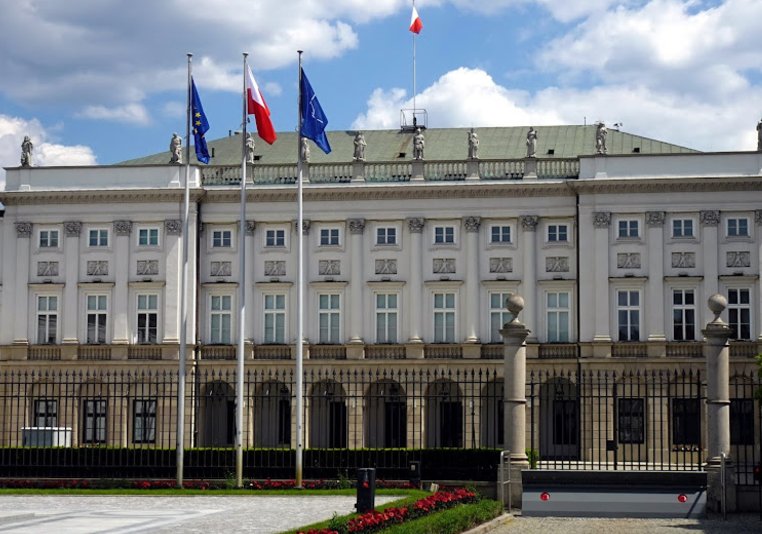

After exploring the medieval fortifications, you will find yourself on Krakowskie Przedmieście, one of Warsaw’s main historic streets. Here, every building tells a story: from the grand Presidential Palace, where major state documents were signed, to a small bench playing Chopin’s music.
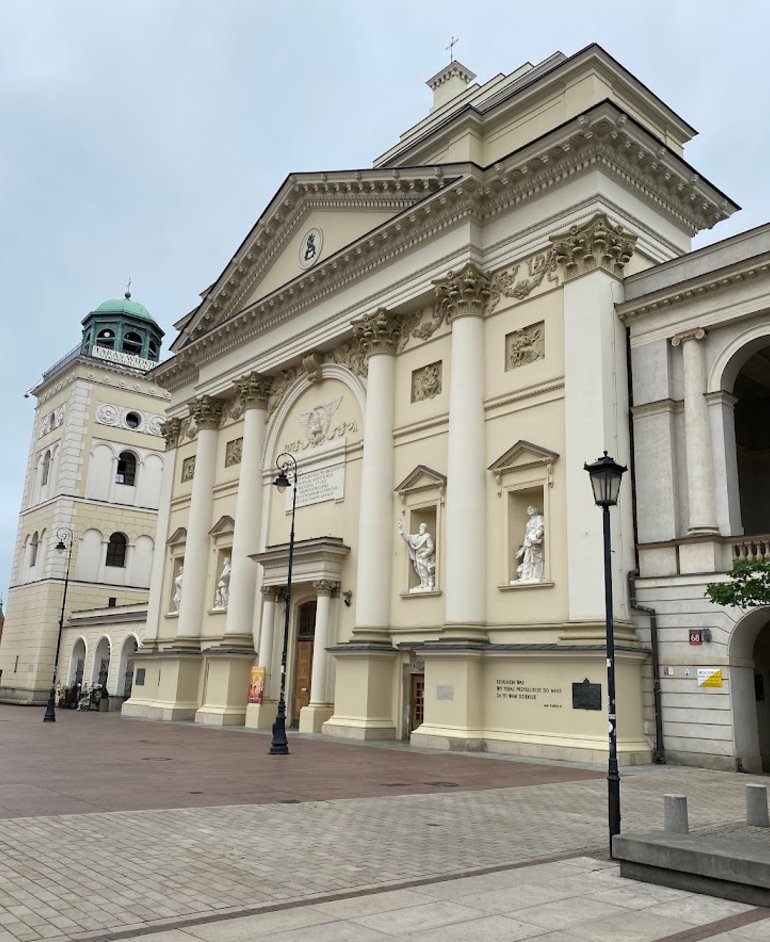
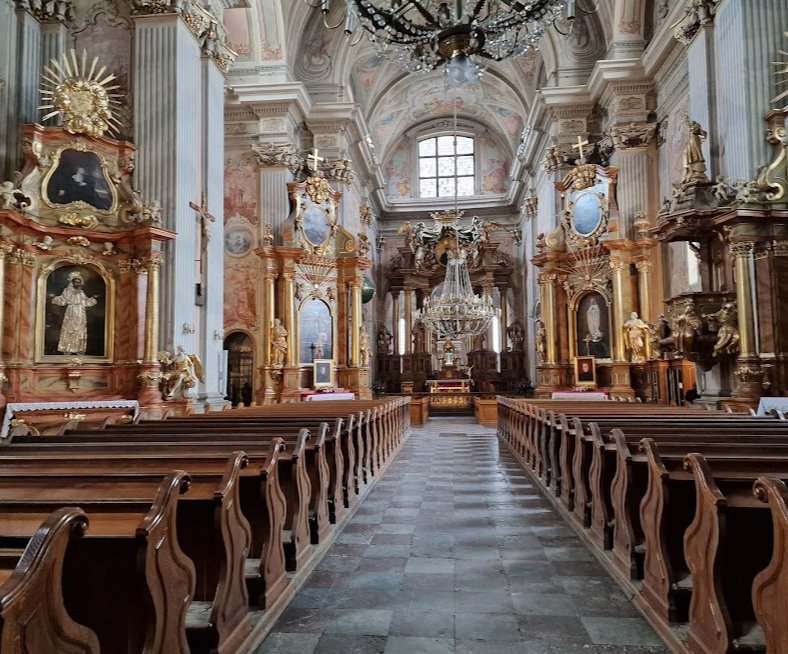
Start your walk at St. Anne’s Church, where organ concerts are often held. At the Copernicus monument, take a photo while touching his polished globe – it is a local tradition.
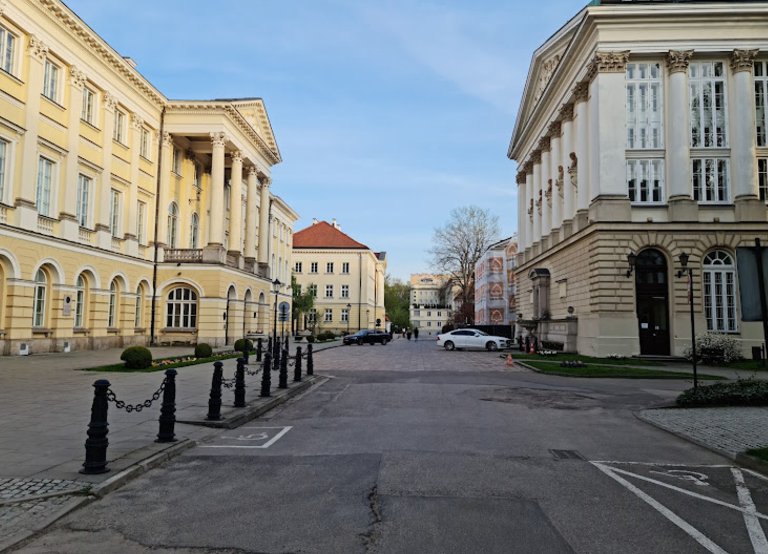
Take a look through the wrought-iron gates of the University of Warsaw, where many famous Poles studied.
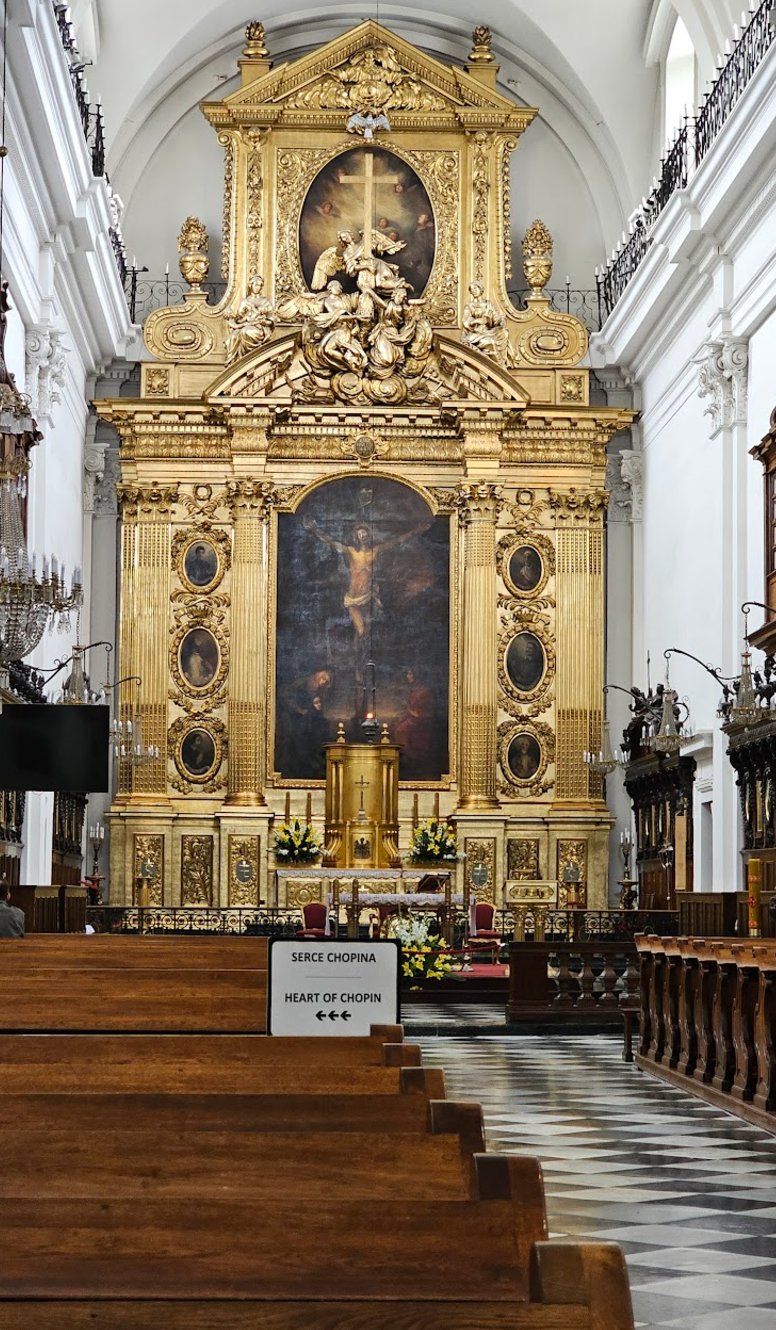
At the Church of the Holy Cross, look for the urn containing Chopin’s heart, sealed inside one of the columns. The musical theme continues at the multimedia bench monument nearby: press the button to hear works by the great composer.
On the corner of each building, you will find information plaques with historic photographs – compare how the street looked before its destruction and after it was rebuilt.
4. Nowy Świat (12:30-13:30)
After the historic atmosphere of Krakowskie Przedmieście, head for Nowy Świat Street, one of Warsaw’s main shopping arteries. This is a good place to take a break and have lunch at the historic Blikle café, which has been operating since 1869 and is famous for its doughnuts.
As you walk along the street, pay attention to the characteristic 19th-century townhouses with their restored façades – they survived the war and the rebuilding of the city.
At number 67, step into the courtyard known as the Paraffin Man courtyard, where you will find an unusual sculpture that has become a local legend.
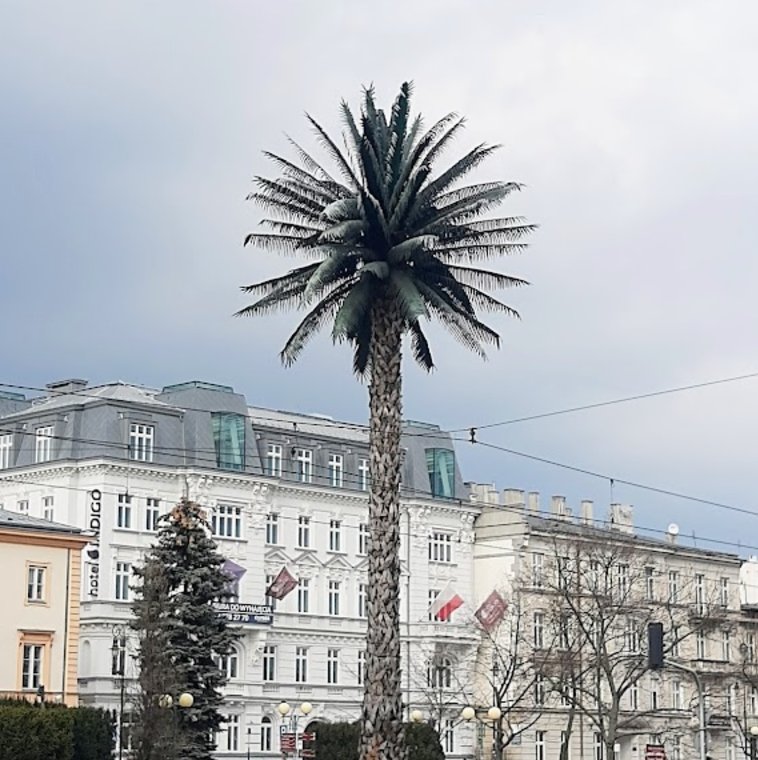
When you reach the roundabout at de Gaulle Square, you will see the famous artificial palm tree – a contemporary art installation set up in 2002. From the square, there is also a view toward Poniatowski Bridge over the Vistula.
Along the way, you will pass cozy cafés in the style of old Warsaw, where you can try traditional Polish desserts. On weekends, the street becomes pedestrian-only, which makes the walk especially pleasant.
5. City Center (13:45-15:00)
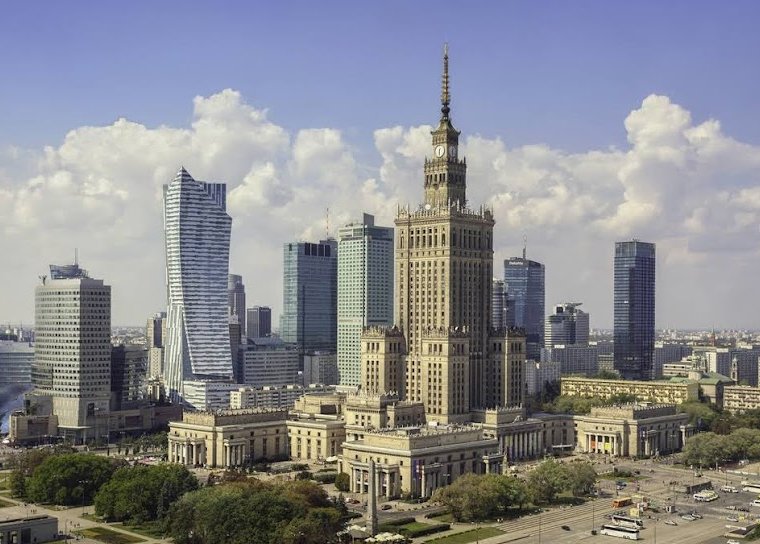
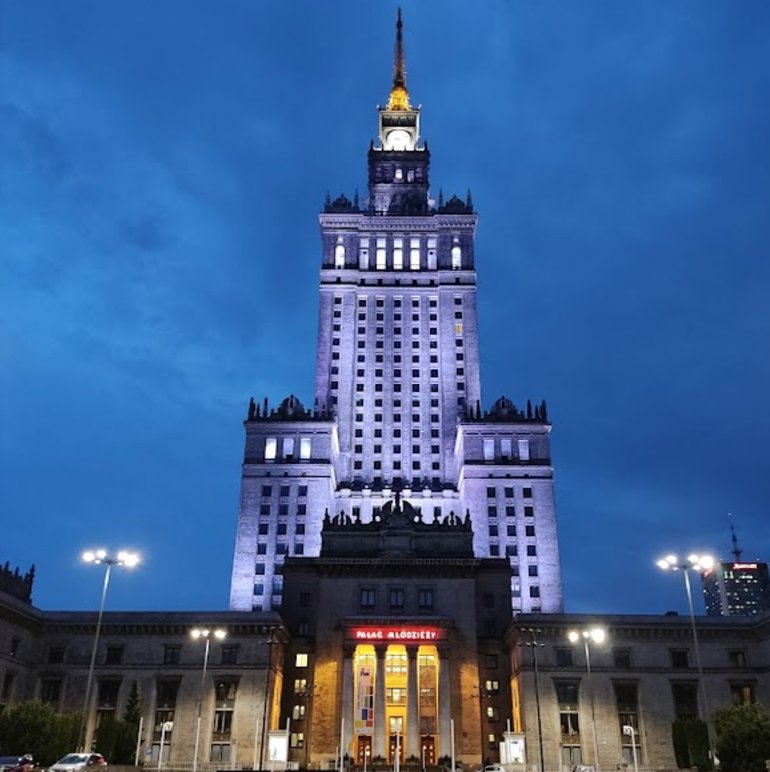
After lunch, I recommend heading into the heart of modern Warsaw – the city center. The main landmark here is the 237-meter Palace of Culture and Science, built in 1955.
On the 30th floor of the palace, there is an observation deck with a panoramic view of the entire city – definitely worth making time for. From here, you can clearly see how the historic districts gradually give way to modern skyscrapers.
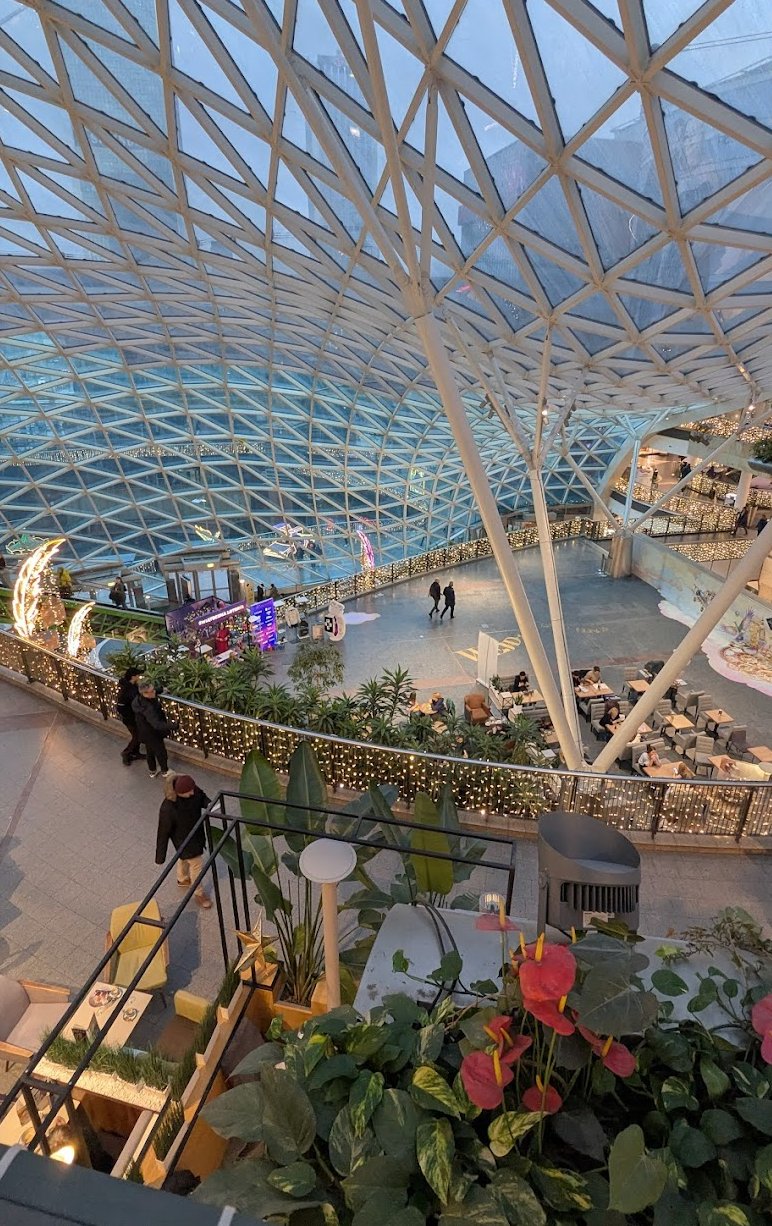
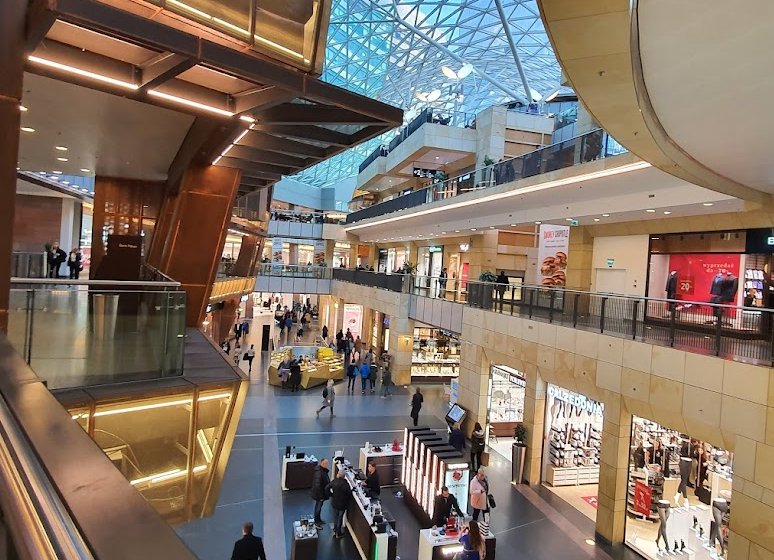
Just a few steps from the palace is the Złote Tarasy shopping complex under its distinctive glass roof – a convenient place for shopping or simply taking shelter from the rain. On the way, notice the contrast between the palace’s Stalinist architecture and the surrounding modern office towers of Warsaw’s business district.
A large open square spreads out around the palace – one of the favorite meeting spots for locals.
From here, it is easy to continue along the route: you can reach Plac Zbawiciela on foot in about 15 minutes via Marszałkowska Street, lined with shops and cafés.
6. On the Way to Łazienki (15:15-16:00)
On the way to one of Warsaw’s most beautiful parks, the Royal Łazienki, you will get to know the city’s more modern side. From the Palace of Culture and Science, follow Marszałkowska Street, where prewar architecture mixes with modern shopping centers and boutiques.
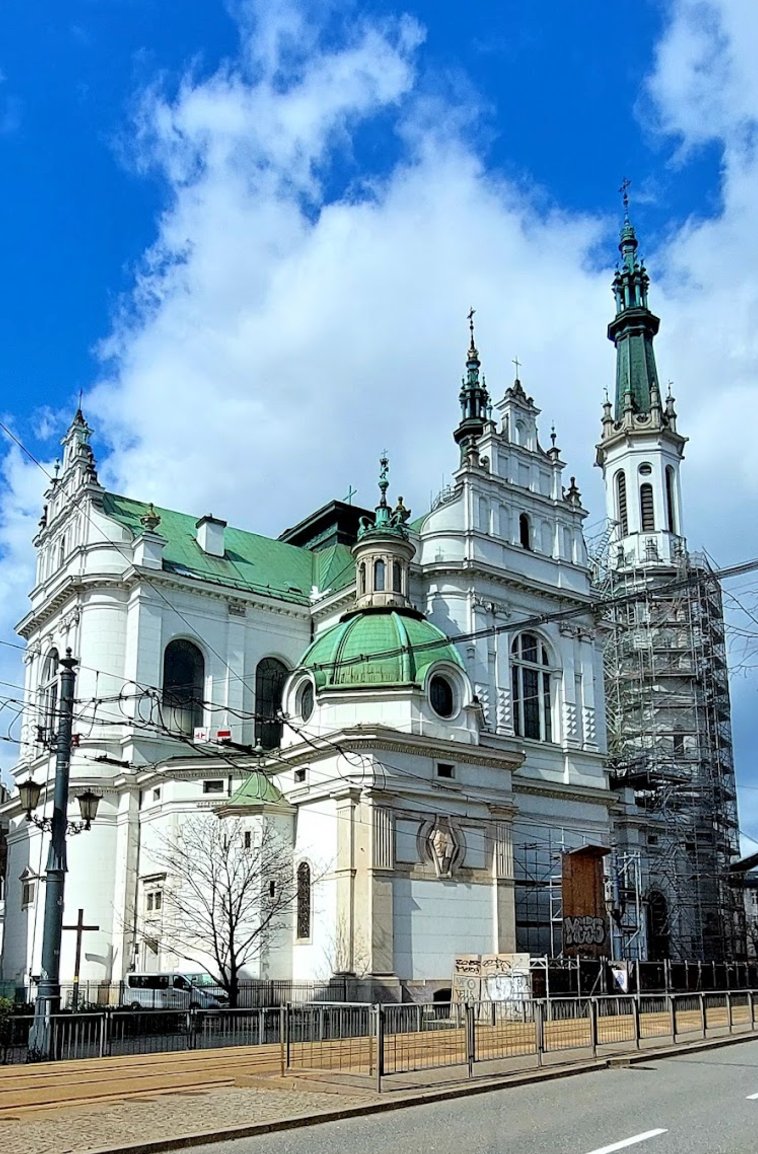
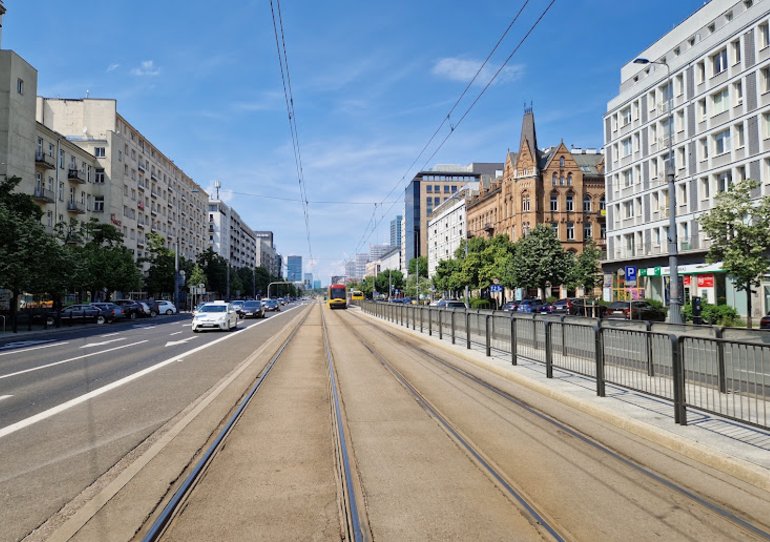
At Plac Zbawiciela, notice the neo-Gothic Church of the Most Holy Savior, completed in 1907. Its two 75-meter towers have become an important point of reference in the city skyline.
This is also where you will find the Politechnika metro station – a convenient option for anyone tired of walking.
Marszałkowska is one of the city’s main arteries and a good place to see how modern Warsaw lives. Along the way, you will pass plenty of cafés and restaurants – a perfect chance to rest before visiting the park.
Once you see the distinctive green gates, you will know you are already at the entrance to the Royal Łazienki. At the end of Marszałkowska, take a look at the building of the former Skarpa cinema – an interesting example of 1950s modernist architecture.
In summer, Plac Zbawiciela often hosts city festivals and open-air concerts.
7. Royal Łazienki (16:00-17:30)
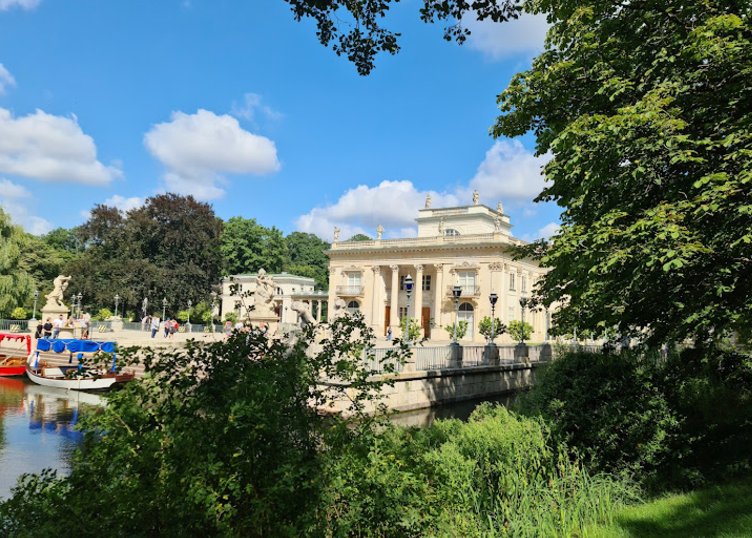
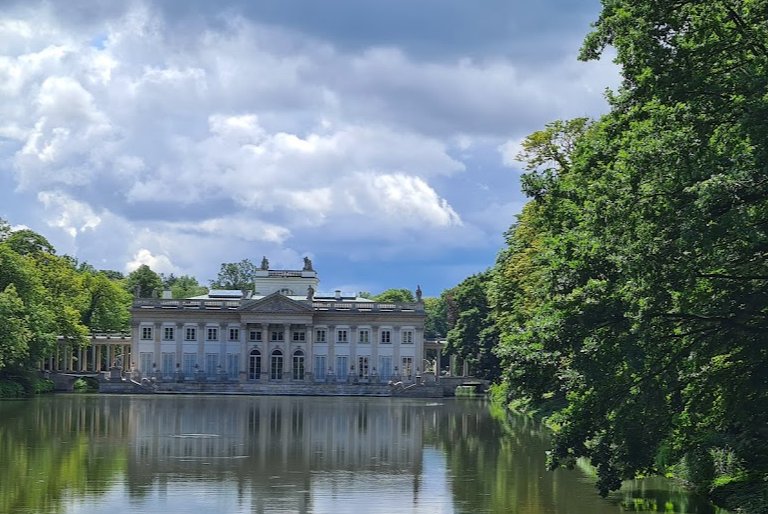
In the Royal Łazienki, you will find Warsaw’s largest park complex, where locals often come to escape the noise of the city.
Start at the main entrance near the Chopin Monument – in summer, free classical music concerts are held here on Sundays.
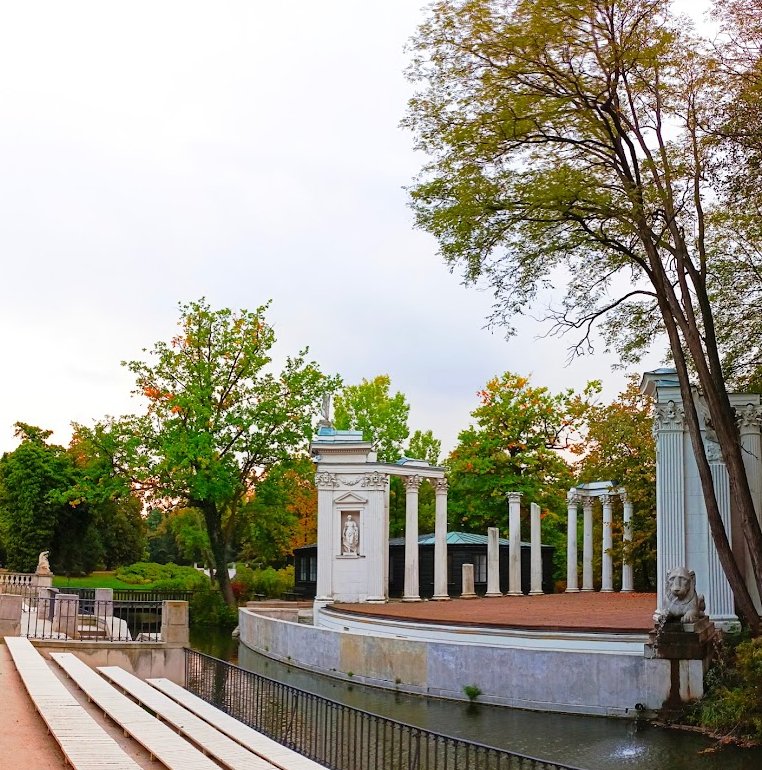
As you follow the central avenue, you will see the classical amphitheater on the water, where theatrical performances are still staged today.
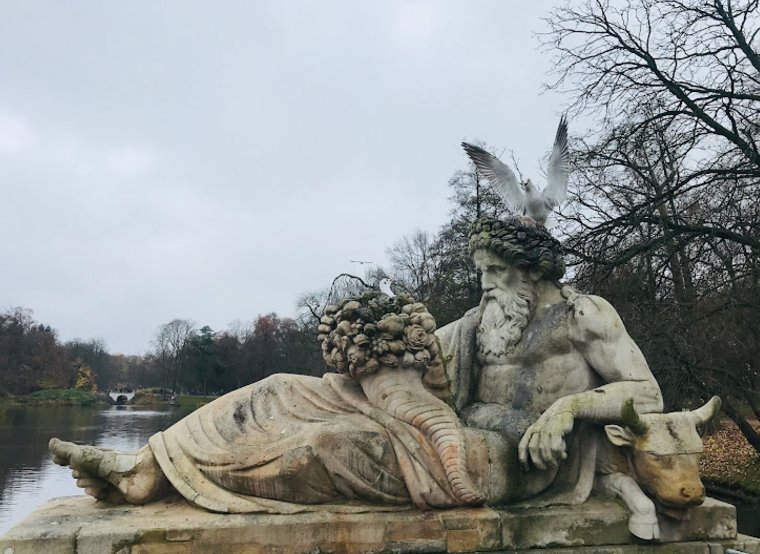
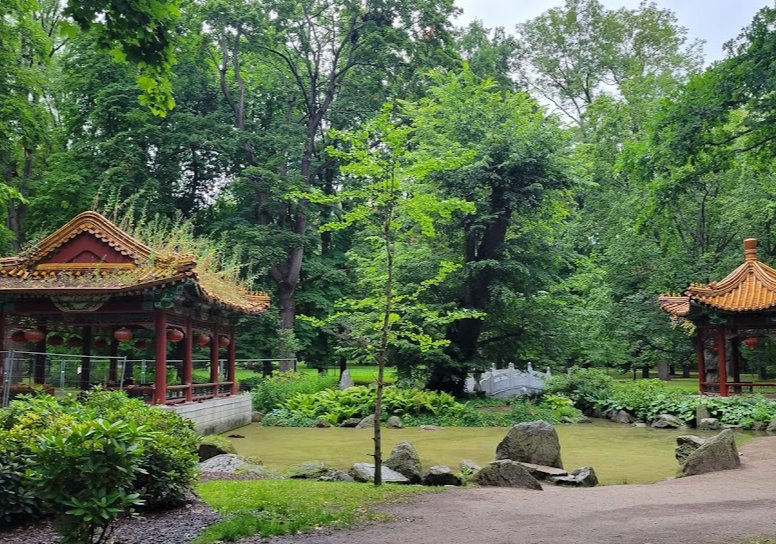
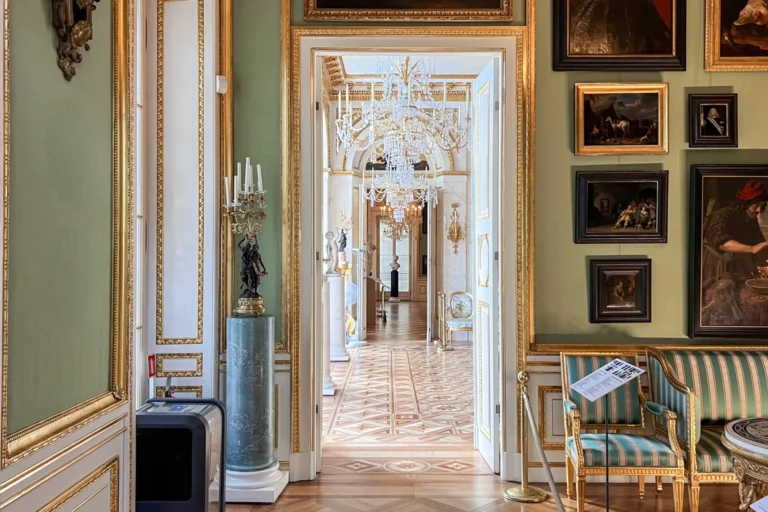
The park’s main attraction is the Palace on the Isle, built for the last Polish king, Stanisław August. Inside, the original 18th-century interiors have been preserved, along with the royal painting collection.
Peacocks roam freely through the park, while ducks and swans swim in the ponds – do not forget to bring some nuts for the squirrels, of which there are many here. From the hill near Belweder Palace, there is a great view over the entire park complex.
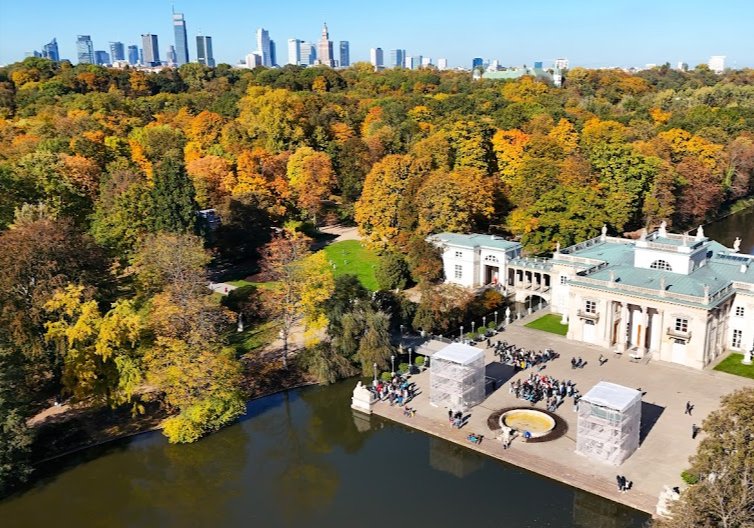
On your way out of the park, you can relax in one of the cozy cafés on Ujazdowskie Avenue.
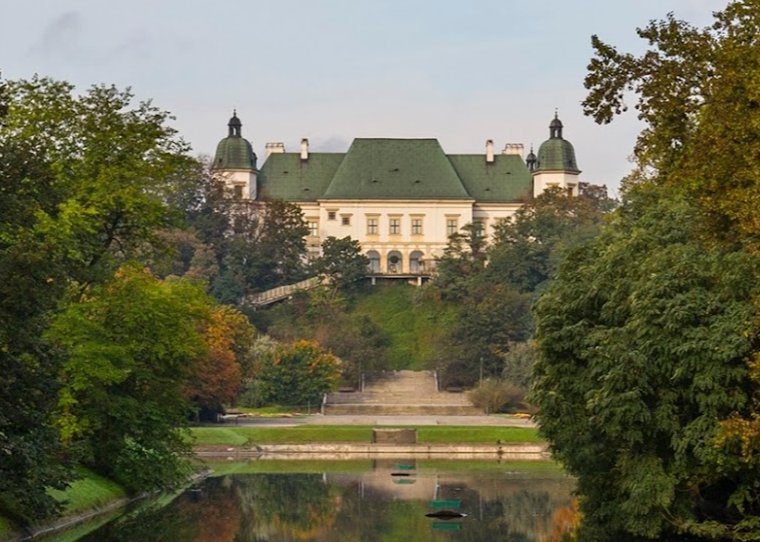
The final stop on this part of the route is the modern Center for Contemporary Art at Ujazdowski Castle, which regularly hosts exhibitions by Polish and international artists.
8. Ujazdów District (17:30-19:00)
After a full day, you will arrive in one of Warsaw’s most atmospheric areas – Ujazdów. Start your walk in Ujazdów Park, where you can relax on a bench by the fountain and watch locals walking their dogs or doing yoga on the grass.
At the center of the district rises Ujazdowski Castle, a 17th-century building that now houses the Center for Contemporary Art, with its constantly changing exhibitions.
From the castle, continue toward Three Crosses Square, where fashionable bars and restaurants are concentrated and where locals like to spend their evenings. For dinner, we recommend choosing one of the restaurants on Piękna Street – locals especially appreciate this area for its authentic Polish cuisine and cozy atmosphere.
Along the way, notice the historic early-20th-century mansions – they are very well preserved and give a sense of the city’s prewar architecture. The district is especially beautiful at sunset, when the last rays of sunlight illuminate the façades of the old buildings.